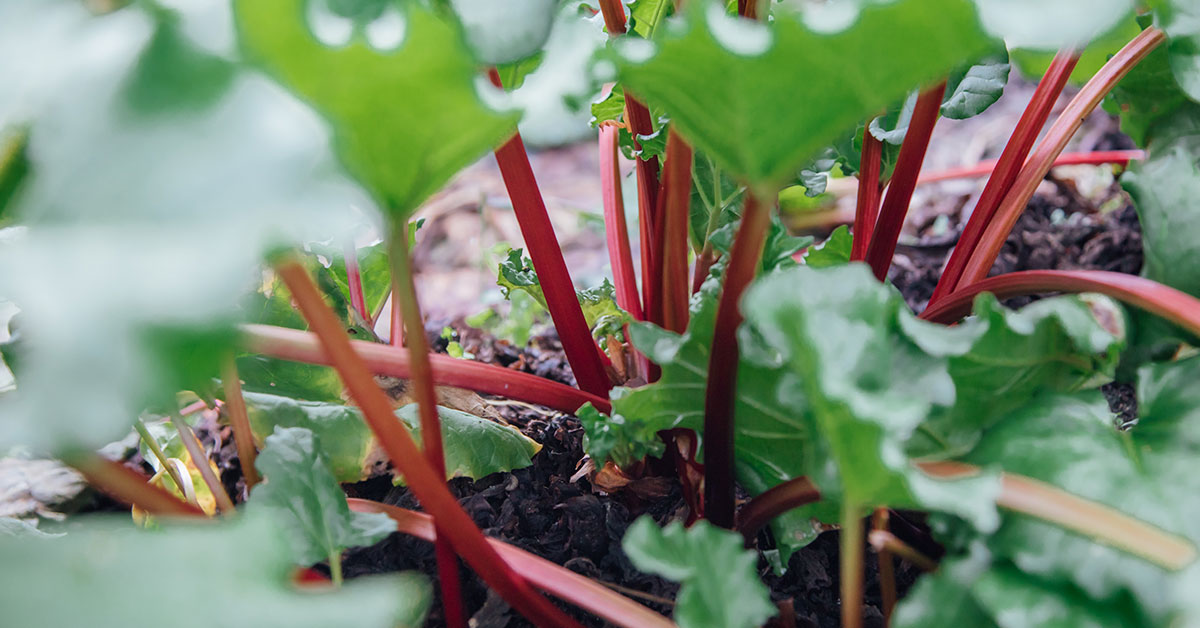

Are you a fan of tangy and versatile rhubarb? If so, you’ll be delighted to learn that growing this perennial vegetable in the UK is not only possible but also quite rewarding. However, to ensure a successful harvest, it’s essential to plant rhubarb at the right time of year. In this article, we will delve into the best time to plant rhubarb in the UK, taking into consideration the climate, soil conditions, and other factors that can influence its growth.
Whether you’re a seasoned gardener or just starting out, understanding the optimal planting time will set you on the path to a bountiful rhubarb crop for years to come. So, let’s dig in and explore the perfect timing for planting this tart and delicious vegetable!
Best rhubarb varieties for UK gardens
There are several good varieties of rhubarb that grow well in the UK. Here are some popular choices:
- ‘Victoria’: This is one of the most commonly grown varieties in the UK. It produces large, thick, and juicy stalks with a good balance of sweetness and tartness. ‘Victoria’ is known for its excellent flavor and reliable performance.
- ‘Timperley Early’: This variety is prized for its early cropping. It produces tender and flavorful stalks that are ready to harvest from April onwards. ‘Timperley Early’ is ideal for gardeners who want to enjoy rhubarb earlier in the season.
- ‘Stockbridge Arrow’: This variety is known for its vibrant red stalks and excellent flavor. It has a good balance of sweetness and acidity, making it perfect for desserts and preserves. ‘Stockbridge Arrow’ is also a heavy cropper, ensuring a plentiful harvest.
- ‘Glaskins Perpetual’: This variety is valued for its ability to produce stalks throughout the summer months. It has a delicate flavor and tender texture. ‘Glaskins Perpetual’ is a great choice for those who want a continuous supply of rhubarb.
- ‘Champagne’: This variety is famous for its pink-red stalks and exceptional taste. It has a high sugar content, resulting in a sweeter flavor compared to other varieties. ‘Champagne’ is also known for its vigorous growth and large yields.
These are just a few examples of the many rhubarb varieties available in the UK. Consider your preferences in terms of flavor, cropping time, and appearance to choose the best one for your garden.
When to plant rhubarb in the UK
In the United Kingdom, the hardiness zones vary depending on the region. The UK is generally classified as being in hardiness zones 6-9, with some areas in Scotland falling into zone 5. These zones provide guidance on the suitability of different plants for specific regions, based on their ability to withstand the average winter temperatures.
When it comes to planting rhubarb, it is important to consider both the hardiness of the plant and the climate of your specific location. Rhubarb is a hardy perennial that can tolerate cold temperatures, making it suitable for most parts of the UK. However, it still requires certain conditions to thrive.
The best time to plant rhubarb in the UK is during the early spring, ideally in March or early April. This allows the plant to establish its roots before the growing season begins. Planting too late in the spring may result in a weaker plant that struggles to develop fully.
Before planting rhubarb, it’s important to choose a suitable location. Rhubarb prefers well-draining soil that is rich in organic matter. It also thrives in full sun or partial shade. Avoid areas prone to waterlogging, as excessive moisture can cause rot.
To plant rhubarb, dig a hole that is roughly twice the size of the root ball. Place the rhubarb crown in the hole, ensuring that the buds are no more than 2.5cm (1 inch) below the soil surface. Backfill the hole with soil, gently firming it around the crown.
After planting, it is essential to provide regular watering until the plant is established. Once established, rhubarb is relatively low maintenance, requiring only occasional watering during dry spells. Apply a layer of organic mulch around the plant to help retain moisture and suppress weed growth.
In the UK, rhubarb is typically harvested from late spring to early summer. However, it is important to allow newly planted rhubarb to establish for at least one year before harvesting any stalks. This allows the plant to grow strong and healthy. In the second year, you can begin harvesting a few stalks, but avoid overharvesting to ensure the plant’s long-term vigor.
By following these guidelines and considering the specific hardiness zone of your region, you can successfully grow rhubarb in the UK and enjoy its delicious stalks for years to come.
When to harvest rhubarb in the UK
The optimal time to harvest rhubarb in the UK is typically from late April to early June. This is when the rhubarb stalks are fully developed and have reached a good size. It’s important to wait until the stalks are at least 10-12 inches long before harvesting. Avoid harvesting rhubarb in the first year after planting to allow the plant to establish its roots. After the initial year, you can harvest rhubarb stalks by gently pulling them away from the base of the plant, twisting slightly to detach them. Be sure to leave a few stalks on the plant to allow it to continue growing and storing energy for the next season.
Other considerations for growing rhubarb
When growing rhubarb in the UK, there are several other considerations to keep in mind:
- Site selection: Choose a location that receives full sun or partial shade. Rhubarb prefers well-drained soil rich in organic matter. Avoid waterlogged or heavy clay soils.
- Planting time: Rhubarb is typically planted in early spring or late autumn. Planting in autumn allows the roots to establish before the onset of winter.
- Soil preparation: Prior to planting, prepare the soil by removing weeds and incorporating well-rotted manure or compost. This will improve the soil structure and provide essential nutrients.
- Plant spacing: Rhubarb plants require ample space to grow. Plant them at least 90-120cm (3-4 feet) apart to allow for adequate airflow and prevent overcrowding.
- Watering: Rhubarb plants need consistent moisture, especially during dry periods. Water deeply and regularly, ensuring the soil remains evenly moist but not waterlogged.
- Mulching: Apply a layer of organic mulch, such as straw or compost, around the base of the plants. This helps to retain moisture, suppress weeds, and maintain even soil temperatures.
- Feeding: Rhubarb is a heavy feeder and benefits from regular fertilization. Apply a balanced organic fertilizer in early spring and again in early summer to provide essential nutrients.
- Harvesting: Wait until the second year after planting before harvesting rhubarb stalks. To harvest, grasp the stalk near the base and gently pull it away from the plant. Do not cut the stalks, as this can leave stubs that may lead to disease.
- Winter care: Protect rhubarb plants during winter by mulching heavily around the crowns with straw or compost. This will insulate the plants and prevent winter damage.
- Pest and disease management: Rhubarb is generally resistant to most pests and diseases. However, keep an eye out for common problems such as slugs, snails, aphids, and crown rot. Take appropriate measures, such as handpicking pests or using organic pest control methods, if necessary.
By considering these factors, you can ensure successful rhubarb growth in your UK garden.