
Welcome to the world of pumpkin growing in the United Kingdom! Whether you’re a seasoned gardener or a newbie, planting pumpkins can be a rewarding and enjoyable experience. But before you dive into preparing the soil and selecting the perfect pumpkin variety, it’s crucial to understand the best time to plant these vibrant orange gems. In this article, we will delve into the optimal planting season for pumpkins in the UK, considering both the weather conditions and the growing requirements of these beloved autumnal squashes.
From early spring to late summer, we’ll guide you through the ideal timeframes for sowing your pumpkin seeds, ensuring a bountiful harvest and a successful pumpkin-growing adventure. So, grab your gardening gloves and get ready to cultivate your very own patch of pumpkin paradise!
Best pumpkin varieties to grow in the UK
There are several good varieties of pumpkins that grow well in the UK. Here are a few popular choices:
- ‘Jack O’Lantern’: This variety is well-known for its classic Halloween pumpkin appearance. It produces large, round fruits with bright orange skin and excellent carving properties.
- ‘Crown Prince’: This is a popular choice for culinary purposes. It has a distinct blue-grey skin and sweet, dense flesh, making it perfect for roasting, soups, and pies.
- ‘Atlantic Giant’: If you’re looking for giant pumpkins, this variety is for you. It holds the world record for the largest pumpkin ever grown! It does require plenty of space and attention, but the results can be truly impressive.
- ‘Munchkin’: For smaller pumpkins, ‘Munchkin’ is a great option. It produces cute, miniature-sized pumpkins that are perfect for decorations and crafts.
- ‘Harvest Moon’: This variety produces medium-sized, round pumpkins with deep orange skin. It has a good flavor and is suitable for both carving and cooking.
Remember, the choice of variety depends on your specific needs and preferences. It’s always a good idea to check with local nurseries or gardening centers for varieties that are well-suited to your specific region and climate.
When to plant pumpkins in the UK
In the United Kingdom, the hardiness zones serve as a guide for gardeners to determine the suitability of plants based on the average minimum winter temperatures in different regions. The UK mainly falls under hardiness zones 7 to 9, with some areas along the southern coast reaching zone 10.
Now, let’s focus on when to plant pumpkins in the UK. Pumpkins are warm-season crops that require a long growing season to fully mature. In general, the best time to plant pumpkins in the UK is in late spring or early summer, after the last frost has passed and the soil has warmed up.
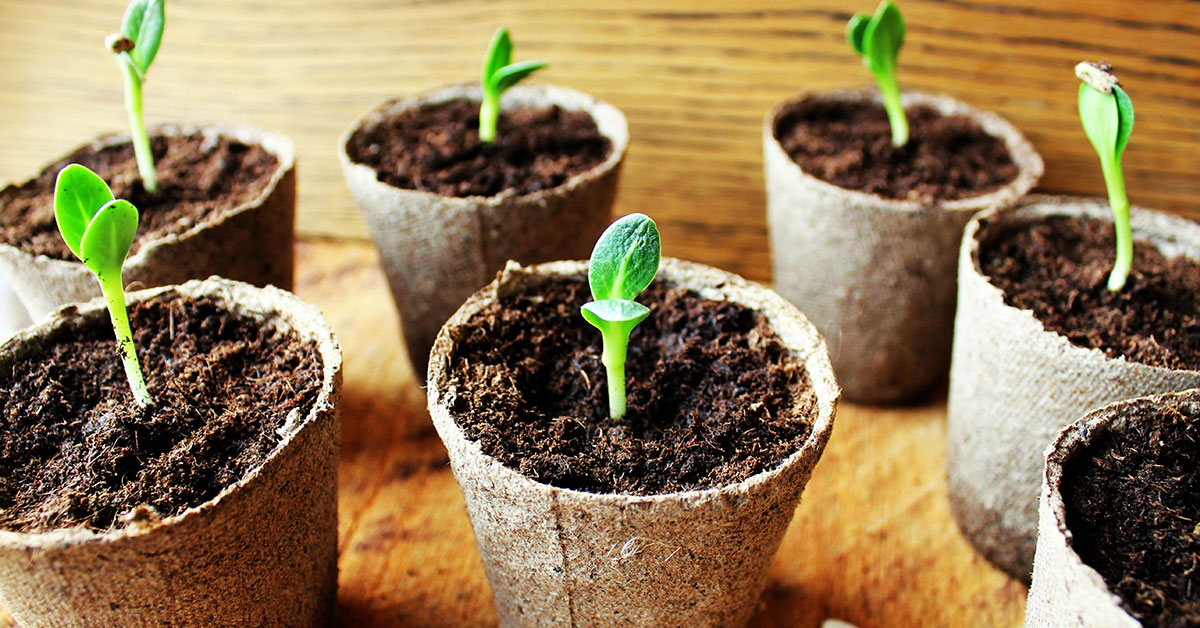
For most areas in the UK, this means planting pumpkins outdoors in late May or early June. However, it’s worth noting that the timing can vary slightly depending on your specific location and the prevailing weather conditions. If you are in a colder region, you may want to consider starting your pumpkin seeds indoors in pots a few weeks before the last frost date, and then transplanting the seedlings outdoors once the weather has warmed up.
To ensure successful pumpkin growth, it is essential to choose a suitable site with well-drained soil and good exposure to sunlight. Pumpkins thrive in fertile soil, so consider enriching your garden bed with organic matter, such as compost, before planting. Additionally, providing a trellis or other support for the vines can help keep the pumpkins off the ground, reducing the risk of rot and maximizing space.
Keep in mind that pumpkins require regular watering, especially during dry periods, and benefit from the occasional application of fertilizer throughout the growing season. Regularly monitor and address any pests or diseases that may affect the plants, and be prepared to protect them from late-season frosts if necessary.
By following these guidelines and considering your specific location and climate conditions, you can successfully grow pumpkins in the UK and enjoy a bountiful harvest in the autumn months.
When to harvest pumpkins in the UK
The optimal time to harvest pumpkins in the UK is typically in late September to early October. However, the specific timing can vary depending on the variety of pumpkin you are growing and the prevailing weather conditions in your area. It is important to monitor your pumpkins closely as they grow and mature. Look for signs such as a fully developed color, a hard rind that resists puncture with your thumbnail, and a dried-out stem. When these signs are present, it is a good indication that your pumpkins are ready to be harvested.
Other considerations
When growing pumpkins in the UK, there are several other considerations to keep in mind:
- Climate: Pumpkins prefer warm and sunny weather. In the UK, it is important to choose varieties that are suitable for the shorter growing season and cooler temperatures. Look for varieties that have been specifically bred for UK conditions.
- Soil: Pumpkins grow best in well-draining soils that are rich in organic matter. Prior to planting, prepare the soil by adding compost or well-rotted manure to improve its fertility and drainage.
- Site selection: Choose a location that receives full sun for at least six hours a day. Avoid areas prone to waterlogging, as this can lead to root rot. Additionally, consider the space requirements of pumpkins, as they are sprawling plants that need ample room to spread out.
- Planting: Start pumpkin seeds indoors 2-4 weeks before the last frost date. Transplant the seedlings outdoors when all danger of frost has passed and the soil has warmed up. Alternatively, you can sow seeds directly in the garden after the last frost date.
- Watering: Pumpkins need consistent moisture, especially during the flowering and fruiting stages. Water deeply, ensuring the soil is evenly moist but not waterlogged. Avoid overhead watering, as this can increase the risk of fungal diseases.
- Fertilization: Pumpkins are heavy feeders and require regular fertilization. Incorporate a balanced fertilizer into the soil before planting and use a side-dressing of compost or organic fertilizer during the growing season.
- Pollination: Pumpkins require pollination to set fruit. Bees and other pollinators are attracted to the yellow flowers of the pumpkin plant. To encourage pollination, avoid using pesticides that may harm beneficial insects.
- Pest and disease management: Common pests that can affect pumpkins include slugs, snails, aphids, and squash bugs. Monitor your plants regularly and take appropriate measures, such as handpicking pests or using organic pest control methods. Additionally, keep an eye out for diseases like powdery mildew and downy mildew, and take preventive measures such as proper spacing and good airflow to minimize their occurrence.
- Harvesting: Pumpkins are ready to harvest when their skin has hardened and turned a deep, consistent color. Cut the fruit from the vine, leaving a few inches of stem attached. Handle pumpkins carefully to prevent bruising or damage.
By considering these factors, you can increase your chances of successfully growing pumpkins in the UK. Happy gardening!