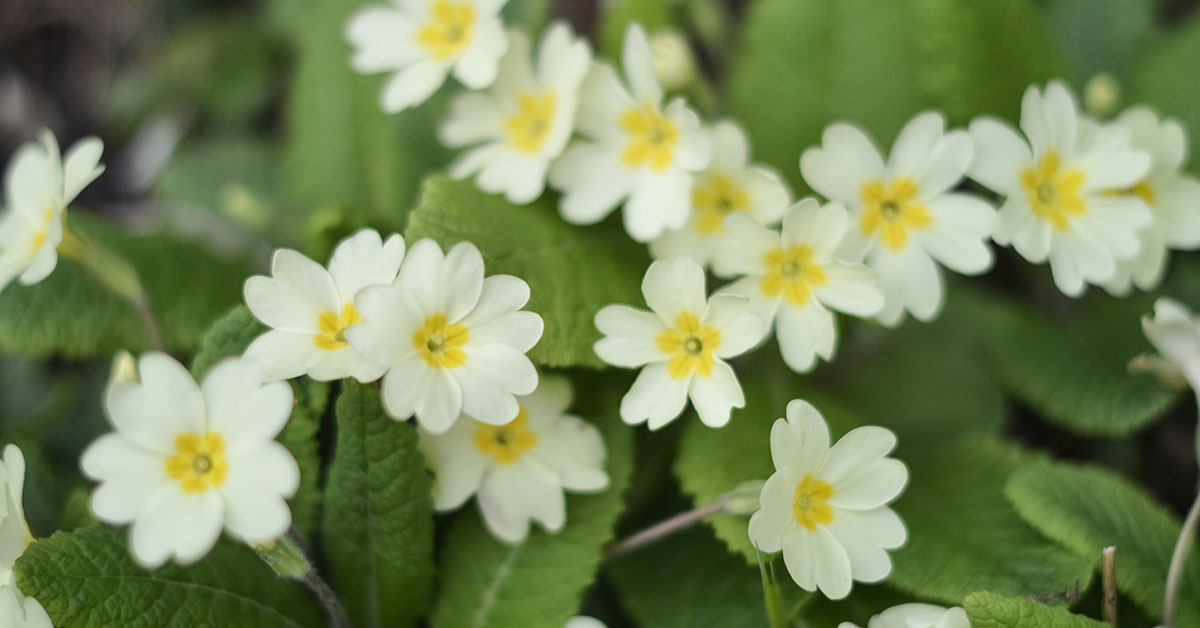

Welcome to the world of gardening! If you are a fan of vibrant colors and delicate blooms, then primroses are the perfect addition to your garden. These cheerful flowers are native to the UK and are known for their early spring display of pastel hues. But when is the best time to plant primroses in the UK?
In this article, we will explore the ideal planting time for primroses, taking into consideration the climate and weather conditions of different regions. Whether you are a seasoned gardener or a beginner looking to add some beauty to your outdoor space, read on to discover the optimal time to plant primroses and enjoy their stunning blossoms throughout the year.
Best varieties of primrose to grow in the United Kingdom
There are several popular and beautiful varieties of primroses that thrive in the UK. Here are a few recommendations:
- Primula vulgaris (English Primrose): This is the most common and well-known variety of primrose in the UK. It has pale yellow flowers and a compact growth habit. It’s perfect for borders, rock gardens, or even containers.
- Primula denticulata (Drumstick Primrose): This variety produces spherical clusters of flowers atop tall stems. The flowers can be found in shades of purple, pink, white, or lavender. Drumstick primroses add a unique touch to any garden.
- Primula veris (Cowslip): Cowslips have bright yellow flowers and are known for their sweet fragrance. They are traditionally found in meadows and woodland areas, but can also be grown in gardens. Cowslips attract pollinators like bees and butterflies.
- Primula auricula (Auricula Primrose): Auricula primroses have vibrant, showy flowers that come in a wide range of colors, including purple, yellow, red, and white. They are often grown in pots or displayed in alpine gardens.
- Primula obconica (Poison Primrose): Although its name may sound intimidating, this variety is perfectly safe as long as you don’t ingest it. Poison primroses have lovely pastel-colored flowers and are excellent for indoor or outdoor cultivation.
Remember, these are just a few examples of the many primrose varieties available in the UK. Each variety has different growing requirements, so make sure to choose the ones that suit your garden’s conditions and your personal preferences.
When to plant primroses in the UK
In the United Kingdom, the Royal Horticultural Society (RHS) has established a system of hardiness zones that categorizes areas based on their average winter temperatures. This system is helpful in determining which plants are most likely to thrive in specific regions. The UK is primarily divided into four hardiness zones: H1, H2, H3, and H4.
H1 is the mildest zone, found in coastal areas and some parts of London, with average winter temperatures above 5°C (41°F). H2 covers most of southern England, including parts of Wales and the Isles of Scilly, with average winter temperatures ranging between -5°C to 1°C (23°F to 34°F). H3 includes central and northern England, Scotland, and parts of Wales, with average winter temperatures ranging between -10°C to -5°C (14°F to 23°F). Finally, H4 is the coldest zone, found in the Scottish Highlands and parts of northern England, with average winter temperatures below -10°C (14°F).
Primroses (Primula spp.) are versatile and popular flowering plants that can be grown throughout the UK. However, the best time to plant primroses can vary depending on the specific variety and the region. Generally, primroses are cool-season plants and prefer cooler temperatures for optimal growth.
In milder regions (H1 and some parts of H2), primroses can be planted in early autumn (September to October) or early spring (March to April). This allows the plants to establish their roots before the harsh winter or hot summer sets in. In colder regions (H3 and H4), it is advisable to wait until late winter or early spring to plant primroses, as the soil temperatures begin to warm up.
When planting primroses, choose a location that receives partial shade to full shade, as direct sunlight can scorch their delicate flowers. They prefer well-draining soil that is rich in organic matter. Prior to planting, prepare the soil by adding compost or well-rotted manure to improve its fertility and drainage.
When planting, space the primroses according to their mature size, usually around 15-30 cm (6-12 inches) apart. Water the plants thoroughly after planting and keep the soil evenly moist during their establishment period. Mulching around the plants can help retain moisture and suppress weeds.
Primroses are generally low-maintenance plants, but it’s important to keep an eye on their watering needs, especially during dry spells. Regular deadheading of spent flowers can prolong the blooming period and improve the overall appearance of the plant.
By considering the hardiness zones and following these planting guidelines, you can enjoy the beauty of primroses in your garden throughout the UK.
Other considerations
When growing primroses in the UK, there are a few other considerations to keep in mind:
- Sunlight: Primroses prefer partial shade or filtered sunlight. They thrive in areas that receive dappled sunlight or where they are protected from intense afternoon sun. Avoid planting them in direct sunlight as it can scorch the leaves.
- Soil: Primroses prefer well-draining soil that is rich in organic matter. They thrive in slightly acidic to neutral soil pH levels. If your garden soil is heavy clay, consider amending it with compost or organic matter to improve drainage.
- Watering: Primroses prefer consistently moist soil, but not waterlogged conditions. Water them regularly, especially during dry spells, and ensure the soil remains evenly moist. Avoid overwatering as it can lead to root rot.
- Mulching: Applying a layer of organic mulch around primroses can help retain moisture, suppress weeds, and regulate soil temperature. Use materials like compost, shredded leaves, or bark chips for mulching.
- Fertilization: Primroses generally do not require heavy feeding. However, you can apply a balanced, slow-release fertilizer in early spring to promote healthy growth. Follow the package instructions for appropriate dosage.
- Pruning: Primroses do not require extensive pruning, but you can remove spent flowers and discolored leaves to maintain a tidy appearance. This also helps prevent diseases and encourages more blooms.
- Winter care: Primroses are generally hardy in the UK, but some varieties may benefit from protection during severe winters. Applying a layer of mulch around the base of the plants can help insulate the roots. If you are growing potted primroses, consider moving them to a sheltered location or wrapping the containers with horticultural fleece.
- Pest and disease control: Primroses are generally resistant to pests and diseases. However, they can occasionally face issues like aphids, slugs, or powdery mildew. Regularly inspect your plants and take appropriate measures, such as using organic pest control methods or removing affected leaves.
By considering these factors, you can create an ideal growing environment for your primroses and enjoy their beautiful blooms throughout the growing season.