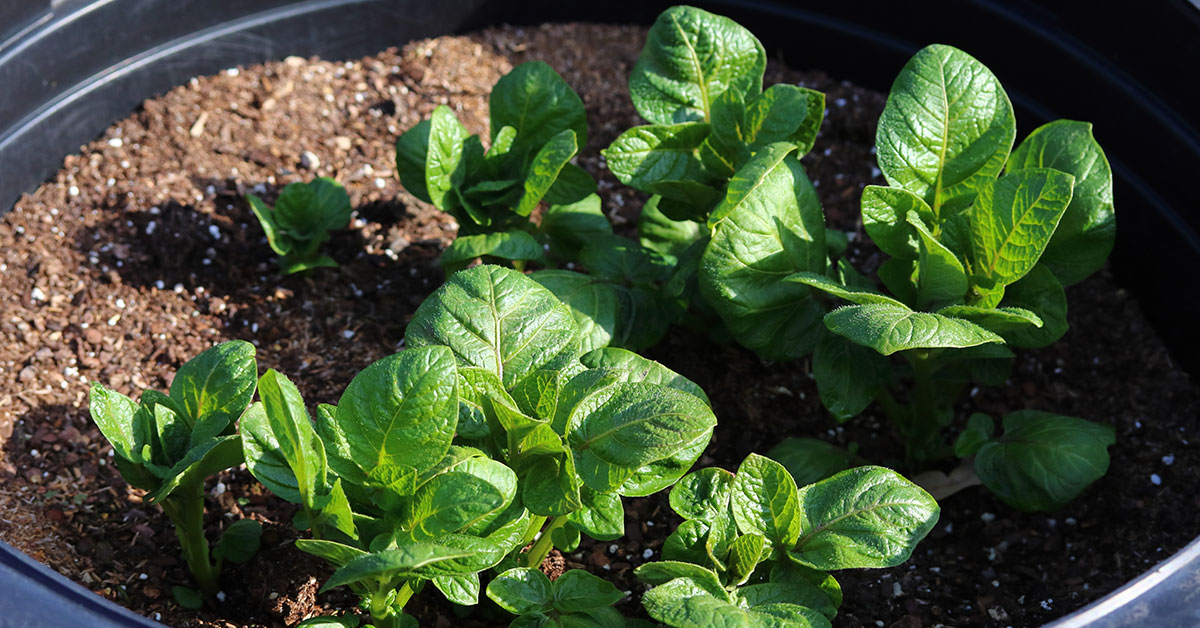

Potatoes are an important crop to grow in Rhode Island, as they are a staple in many diets and are easy to store. Growing potatoes in Rhode Island can be a great way to provide food for your family or to sell at local markets. The climate in Rhode Island is ideal for growing potatoes, as the soil is rich in nutrients and the weather is mild. Potatoes can be planted in early spring and harvested in the late summer to early fall.
To ensure a successful harvest, it is important to select the right variety of potatoes for the area, prepare the soil properly, and water and fertilize the plants regularly. With the right planting and care, potatoes can be a great crop to grow in Rhode Island.
Rhode Island’s Hardiness Zones And Climate
The climate of growing zones 5b to 7a in Rhode Island can be characterized as humid continental with hot, humid summers and cold, snowy winters. In the summer months, temperatures can reach into the mid-80s Fahrenheit (around 30 degrees Celsius) and in the winter months, temperatures can reach down to around 10 degrees Fahrenheit (-12 degrees Celsius).
Precipitation is moderate throughout the year, with an average of around 40 inches (1,000 millimeters) of rain and snow. The growing season is usually from April to October, with some warm weather in late March and early November. Rhode Island is also prone to severe weather, such as hurricanes, thunderstorms, and tornadoes.
Rhode Island’s climate is perfect for growing potatoes!
Different varieties of seed potatoes
When selecting seed potatoes for growing in Rhode Island, it is important to be mindful of the variety’s days to harvest and the length of time you have before you want to harvest them.
Early-season varieties such as ‘Yukon Gold’ and ‘Red Norland’ have fewer days to harvest and should be planted as soon as possible for harvesting in late summer.
Mid-season varieties such as ‘Russet Burbank’ and ‘Kennebec’ have more days to harvest and should be planted in late April or early May for harvesting in fall.
Late-season varieties such as ‘Cara Russet’ and ‘All Blue’ have the most days to harvest and should be planted in late April or early May for harvesting in early winter. Be sure to select varieties with the right number of days to harvest for your intended harvest date. Some good potato varieties for Rhode Island include:
- Russet Potatoes: 85-95 days
- Yukon Gold Potatoes: 90-110 days
- Red Potatoes: 80-90 days
- Purple Potatoes: 90-110 days
- Fingerling Potatoes: 90-120 days
- Sweet Potatoes: 90-120 days
- White Potatoes: 90-100 days
- All-Blue Potatoes: 95-105 days
- Yellow Finn Potatoes: 85-95 days
- Kennebec Potatoes: 85-95 days
When To Plant Potatoes In Rhode Island
In Rhode Island, potatoes should be planted as soon as the soil can be worked in the spring, which is usually around the middle of April. Planting in this time frame gives the potatoes plenty of time to mature before the first frost in late fall. Planting too early can result in frost damage and poor yields.
The approximate planting date for potatoes in each of Rhode Island’s growing zones is:
- Zone 5: Around April 15th
- Zone 6: Around April 7th
- Zone 7: Around March 24th
How To Plant Potatoes In Rhode Island
Begin the planting process for seed potatoes by tilling the soil to a depth of 8 inches and incorporating organic compost. Once you have done this, find a sunny location that receives at least 8 hours of direct sunlight and place the seed potatoes.
Plant the seed potatoes with the “eyes” facing upward, leaving a distance of 8 to 10 inches in between each. Cover the seed potatoes with a layer of soil that is 3-4 inches thick, and make sure to water them adequately. As the potatoes start to sprout, add more soil to the rows to keep them adequately buried.
Water the potatoes on a regular basis and remove any weeds from the area. For those living in hot and dry climates, you may want to cover the soil around the potatoes with straw, although this is not essential.
Caring For Potato Plants
Caring for potato plants is pretty easy – they’re incredibly hardy and generally no-fuss. Potato plants need full sun and well-drained soil to thrive. They should be watered deeply and regularly, allowing the soil to dry out between waterings.
Fertilizing is also important for optimal growth. Potato plants need a balanced fertilizer with equal parts nitrogen, phosphorus, and potassium. This should be applied every four to six weeks, depending on the soil’s nutrient content.
It is also important to keep the soil evenly moist, as potatoes do not tolerate dry or waterlogged conditions. Mulching around the potato plants can help retain moisture and reduce weeds.
When To Harvest Potatoes In Rhode Island
There are two sure ways to know your potatoes are about ready to harvest! The first is counting backward from your current date to their planting date. Potato varieties have an approximate number of days to harvest, so consult the days to harvest for the particular variety of potatoes you’ve planted. If you aren’t sure, assume it’s around 100 days.
The appearance of your potato plants is another dead giveaway. You will know your potatoes are ready to harvest when the foliage begins to turn yellow and die back. Your plants will go through an entire flowering cycle, which is nice because the flowers are really beautiful.
Allow the soil around the plants to dry before harvesting, but don’t allow it to be dry for too long. Once harvested, inspect the potatoes carefully- they should be firm and free of green or soft spots.
Carefully dig up the potatoes with a garden fork, taking care not to damage the potatoes in the process. Once the potatoes have all been dug up, brush off any excess soil and inspect them for any damage. Discard any potatoes that are damaged, as these are not suitable for long-term storage.
Finally, gently place the potatoes in a cool, dry, and dark area for storage. It is important to only store undamaged potatoes, as damaged potatoes can quickly rot.