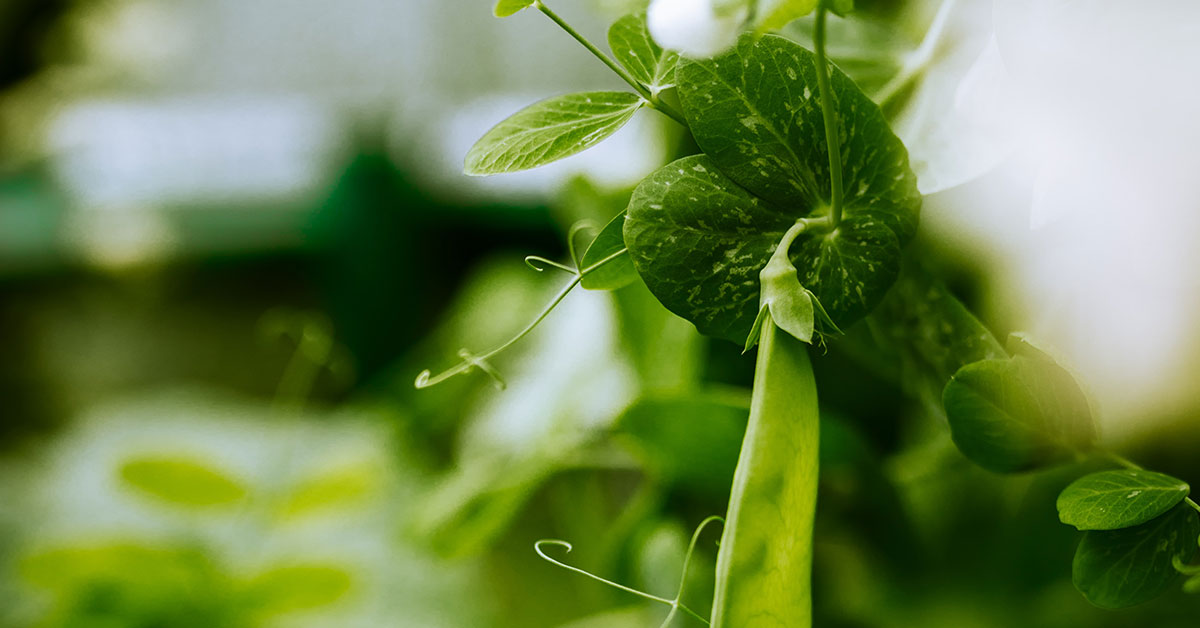

Are you an aspiring gardener looking to grow your own peas in the UK? If so, it’s essential to know the best time to plant peas to ensure a successful and bountiful harvest. Peas are cool-season vegetables that thrive in the UK’s temperate climate, but understanding the ideal planting time can make a significant difference in your pea-growing adventures.
In this article, we will delve into the factors that affect pea planting, discuss the different types of peas you can grow, and provide you with a comprehensive guide on the optimal time to sow your peas in the UK.
Whether you’re a seasoned gardener or a beginner, this article will equip you with the knowledge you need to maximize your pea-growing potential and enjoy an abundance of delicious, homegrown peas.
Best peas to grow in the United Kingdom
There are several good varieties of peas that grow well in the UK. Here are a few popular choices:
- ‘Kelvedon Wonder’: This is a reliable and early-maturing variety that produces sweet and tender peas. It is compact and ideal for small gardens or containers.
- ‘Meteor’: Another early-maturing variety, ‘Meteor’ is known for its high yields and disease resistance. The peas are sweet and well-suited for both freezing and fresh consumption.
- ‘Hurst Green Shaft’: This variety produces long and straight pods with sweet and flavorful peas. It has good disease resistance and is a popular choice for both home gardeners and commercial growers.
- ‘Douce Provence’: A traditional heritage variety, ‘Douce Provence’ is known for its excellent flavor and long harvesting period. It produces large, sweet peas and is well-suited for freezing.
- ‘Sugar Ann’: This is a dwarf variety that is perfect for small gardens or container growing. ‘Sugar Ann’ produces sweet and crisp pods and is an early-maturing variety.
- ‘Ambassador’: A maincrop variety, ‘Ambassador’ produces large and tasty peas. It has good disease resistance and is a reliable choice for those looking for a late-season pea variety.
These are just a few of the many varieties available in the UK. Consider your growing conditions, space availability, and personal preferences when selecting the best variety for your garden.
When to plant peas in the UK
In the United Kingdom, the Royal Horticultural Society (RHS) has established a system of hardiness zones to guide gardeners in selecting suitable plants for their respective regions. These zones are determined by the average minimum winter temperature and provide valuable information on a plant’s ability to withstand cold conditions.
The UK is divided into four main hardiness zones: H1, H2, H3, and H4. H1 represents the mildest areas, with minimal frost and average winter temperatures not falling below 5°C (41°F). H4, on the other hand, indicates the coldest regions, with average winter temperatures potentially dropping below -10°C (14°F).
When it comes to planting peas in the UK, it is important to consider the hardiness zones and the specific requirements of the pea varieties. Peas are generally cool-season crops that prefer temperatures between 10°C (50°F) and 20°C (68°F). They can tolerate light frosts but are not tolerant of extreme cold.
For gardeners in H1 and H2 zones, where winter temperatures are relatively mild, peas can often be planted as early as February or March. These regions include parts of Cornwall, Devon, and other western coastal areas. However, it is advisable to protect young pea plants from any potential late frosts.
In H3 zones, which include areas like London, Birmingham, and parts of central and southern England, peas are typically sown in March or early April. These regions experience slightly colder winters, so waiting until the soil has warmed up a bit is recommended before planting.
For gardeners in H4 zones, which include northern England, Scotland, and higher elevations, it is best to wait until mid-April or early May to plant peas. These areas have colder winters, and the soil takes longer to warm up. Planting too early may result in poor germination or damage to young plants due to frost.
It’s worth noting that these are general guidelines, and the best time to plant peas can vary depending on local weather conditions and microclimates. It is always a good idea to check with local gardening resources, such as the RHS or local gardening clubs, to get more specific information for your area.
Remember to prepare the soil beforehand by incorporating organic matter and ensuring good drainage. Peas prefer a sunny or partially shaded spot and benefit from support, such as trellises or bamboo stakes, to help them climb as they grow.
By considering the hardiness zones and following the recommended planting times, you can increase the chances of successfully growing peas in your UK garden.
When to harvest peas in the UK
In the UK, the optimal time to harvest peas is typically during the summer months, from June to August. The exact timing can vary depending on the specific variety of peas you are growing and the weather conditions in your area. Peas are usually ready to harvest when the pods are plump and firm, and the peas inside have reached their full size. It’s important to harvest peas regularly once they are ready, as leaving them on the plant for too long can cause the peas to become starchy and lose their sweetness.
Other considerations
When growing peas in the UK, there are several considerations to keep in mind:
- Temperature: Peas prefer cool weather and can tolerate some frost, so it is best to sow them in early spring when the soil temperature reaches around 10°C. In warmer regions, you can also sow them in late summer to enjoy a fall harvest.
- Soil: Peas thrive in well-drained, fertile soil. Prepare the soil by adding organic matter, such as compost or well-rotted manure, to improve its structure and nutrient content. Avoid waterlogged or heavy clay soils, as they can lead to poor root development and disease issues.
- Sunlight: Peas require at least 6-8 hours of direct sunlight daily. Choose a location in your garden that receives ample sunlight for optimum growth and productivity.
- Support: Peas are climbing plants that need support to grow upright. Install trellises, stakes, or pea netting in your garden to provide support for the plants. This helps prevent them from sprawling on the ground and makes harvesting easier.
- Watering: Peas need consistent moisture, especially during flowering and pod development. Water them regularly, ensuring the soil remains evenly moist but not waterlogged. Avoid overhead watering as it can increase the risk of fungal diseases. Water at the base of the plants to keep the foliage dry.
- Mulching: Applying a layer of organic mulch around the pea plants helps retain soil moisture, suppresses weed growth, and keeps the roots cool. Use straw, shredded leaves, or grass clippings as mulch.
- Companion planting: Consider planting peas alongside companion plants like carrots, lettuce, or radishes. These plants can help deter pests, attract beneficial insects, and make efficient use of garden space.
- Pests and diseases: Peas can be susceptible to pests such as aphids, pea moths, and pea weevils. Monitor your plants regularly and take appropriate measures, such as handpicking pests or using organic pest control methods if necessary. Common diseases to watch out for include powdery mildew and pea wilt. Crop rotation and maintaining good airflow between plants can help prevent disease issues.
- Harvesting: Peas are best harvested when the pods are plump and the peas inside have reached their desired size. Harvest them regularly to promote continuous pod production. Avoid leaving overripe pods on the plants, as this can reduce overall productivity.
By considering these factors, you can increase your chances of successfully growing peas in the UK and enjoy a bountiful harvest.