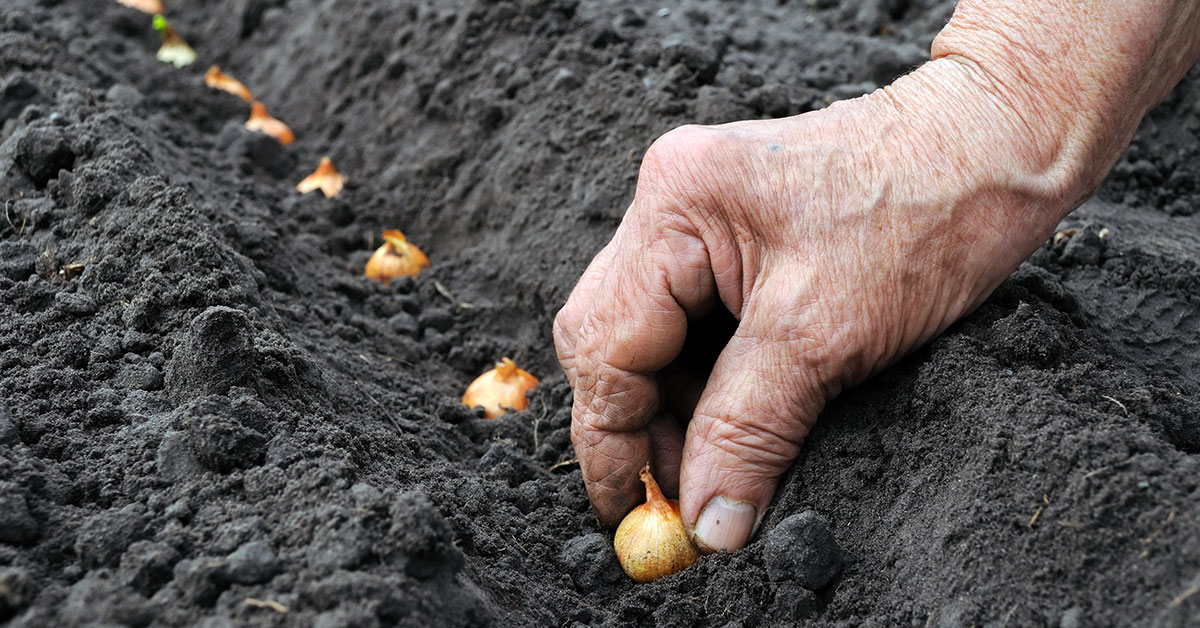

Are you an Ontario gardener looking to cultivate a bountiful crop of onions? Well, you’re in luck! As an experienced gardener, I am here to guide you through the optimal time to plant onions in Ontario.
Onions are a staple in kitchens across the world and are renowned for their versatility and distinct flavor. Whether you’re a seasoned gardener or just starting out, understanding the best time to plant onions is essential for a successful harvest.
In this article, we will delve into the ideal planting window, considering Ontario’s climate and growing conditions, as well as provide valuable tips to ensure your onions thrive and reward you with a delicious harvest. So, grab your gardening tools and let’s dive into the world of onion cultivation in Ontario!
Best onions to grow in Ontario’s climate
There are several good varieties of onions that grow well in Ontario’s climate. Here are a few popular choices:
- Yellow Globe: This is a common variety that produces large, round, and golden-brown onions. It has a strong flavor and is suitable for long-term storage.
- Red Creole: These onions have a reddish-purple skin and a mild to medium flavor. They are great for adding color to salads and other dishes.
- Spanish Sweet: As the name suggests, these onions have a sweet and mild flavor. They are large and have a yellow skin. Spanish Sweets are known for their excellent storage capabilities.
- Walla Walla: Originally from Washington, Walla Walla onions are popular for their sweet and mild flavor. They are large and have a yellow skin. While they do not store as well as some other varieties, they are delicious when used fresh.
- Copra: This variety is known for its excellent storage qualities. Copra onions have a yellow-brown skin and a strong flavor. They are typically harvested later in the season.
- Candy: These onions have a sweet and mild flavor, making them great for eating raw in salads or on sandwiches. They have a yellow skin and store relatively well.
Remember to consider the specific growing conditions in your garden and choose varieties that are suited to your region.
When to plant Onions in Ontario
In Ontario, there are several hardiness zones that determine the types of plants that can thrive in different regions. The hardiness zones are based on the average annual minimum temperature and provide valuable information for gardeners when selecting plants for their gardens.
Here are the hardiness zones in Ontario:
- Zone 4a: This zone covers most of Northern Ontario, where the average minimum temperature ranges from -34.4°C to -31.7°C (-30°F to -25°F). Due to the shorter growing season and colder temperatures, it is best to select cold-hardy onion varieties and plant them in early spring or late summer.
- Zone 4b: This zone includes areas in Northern Ontario, such as Thunder Bay and Sudbury, with average minimum temperatures ranging from -31.7°C to -28.9°C (-25°F to -20°F). Similar to Zone 4a, it is advisable to plant cold-hardy onion varieties in early spring or late summer.
- Zone 5a: This zone covers regions like Toronto, Hamilton, and London, where the average minimum temperature ranges from -28.9°C to -26.1°C (-20°F to -15°F). In Zone 5a, it is best to plant onion sets or transplants in early spring, typically around April or May, when the soil has thawed and the temperatures are consistently above freezing.
- Zone 5b: This zone includes areas like Windsor and Sarnia, with average minimum temperatures ranging from -26.1°C to -23.3°C (-15°F to -10°F). Similar to Zone 5a, the best time to plant onions in Zone 5b is in early spring, around April or May.
- Zone 6a: This zone covers regions like Niagara Falls and Ottawa, with average minimum temperatures ranging from -23.3°C to -20.6°C (-10°F to -5°F). In Zone 6a, onions can be planted in early spring, typically around April or May, when the soil is workable and the temperatures are consistently above freezing.
- Zone 6b: This zone includes areas like Kingston and Belleville, with average minimum temperatures ranging from -20.6°C to -17.8°C (-5°F to 0°F). The best time to plant onions in Zone 6b is also in early spring, around April or May.
As a general rule, onions prefer cool weather and can tolerate light frosts. They are typically planted in the spring when the soil can be worked and temperatures are above freezing. It’s important to consider the specific hardiness zone and local weather conditions when determining the best time to plant onions in Ontario.
When to harvest Onions in Ontario
The optimal time to harvest onions in Ontario is typically in late summer or early fall, around August or September. This is when the onion bulbs have reached their full size and the tops start to naturally die back and turn yellow. To ensure proper maturity and storage potential, it is important to allow the onion bulbs to fully mature in the ground before harvesting.
Other considerations
When growing onions in Ontario, there are several other considerations to keep in mind:
- Climate: Ontario has a diverse climate, so it is important to choose onion varieties that are suitable for your specific region. Onions prefer cool weather and need a long growing season, so selecting the right variety is crucial for successful growth.
- Soil Quality: Onions grow best in well-draining soil with a pH level between 6.0 and 7.5. Before planting, amend the soil with organic matter such as compost or well-rotted manure to improve its fertility and drainage.
- Sunlight: Onions require full sun exposure for at least 6-8 hours a day. Ensure that your planting location receives ample sunlight to promote healthy growth and bulb development.
- Watering: Onions need consistent moisture throughout their growing season, especially during bulbing. Avoid overwatering, as it can lead to diseases and rot. Aim for 1-1.5 inches of water per week, either through rainfall or irrigation.
- Spacing: Proper spacing between onion plants is essential to allow for air circulation and prevent the spread of diseases. Plant onion sets or transplants approximately 4-6 inches apart in rows that are 12-18 inches apart.
- Mulching: Mulching around onion plants helps conserve soil moisture, suppress weeds, and maintain a more consistent soil temperature. Use organic mulch, such as straw or shredded leaves, to a depth of 2-3 inches.
- Fertilization: Onions are heavy feeders and require regular fertilization to promote healthy growth. Apply a balanced fertilizer, high in nitrogen, at planting time and side-dress with additional nitrogen fertilizer every 3-4 weeks.
- Pest and Disease Control: Onions can be susceptible to pests like onion maggots and diseases such as onion downy mildew and onion white rot. Implementing proper crop rotation, using insect netting, and practicing good sanitation can help manage these issues.
- Harvesting: Onions are ready for harvest when their tops start to yellow and fall over naturally. Carefully lift the bulbs from the soil and allow them to dry in a well-ventilated area for a few weeks. Once the outer skin is dry and papery, remove the tops and store the bulbs in a cool, dry place.
- Crop Rotation: To prevent the build-up of pests and diseases, avoid planting onions in the same spot each year. Rotate your onion crop with other unrelated vegetables or plants to maintain soil health and reduce the risk of problems.
By considering these factors, you can increase your chances of a successful onion harvest in Ontario.