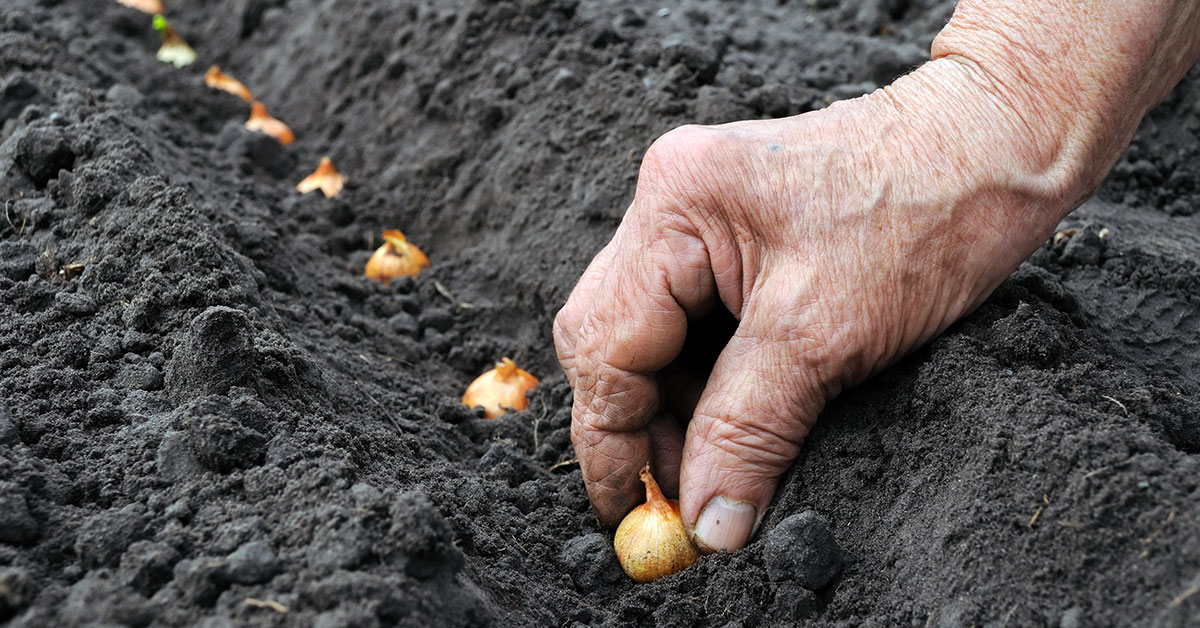

Welcome to the world of growing onions in New Zealand, where the unique climate and conditions offer a plethora of opportunities to grow a wide variety of plants. Among the many vegetables that thrive in this country, onions hold a special place.
Whether you’re a seasoned gardener or a beginner looking to try your hand at growing your own food, knowing when to plant onions is crucial for a successful harvest. In this article, we will delve into the specifics of onion planting in New Zealand, discussing the best time to sow seeds or transplant seedlings, as well as the ideal growing conditions and tips to ensure a bountiful onion crop.
So, grab your gardening tools and get ready to embark on a journey to grow delicious and aromatic onions in your own backyard.
Best varieties of Onions to grow in New Zealand
In New Zealand, there are several onion varieties that are well-suited to the local conditions. Here are some popular choices:
- Pukekohe Longkeeper: This variety is known for its excellent storage capabilities, making it ideal for long-term use. It has a mild flavor and is resistant to bolting.
- Red Brunswick: This red onion variety is popular for its sweet and mild taste. It has good storage qualities and can be harvested early as green onions or left to mature for larger bulbs.
- White Lisbon: This is a popular spring onion variety in New Zealand. It has a mild flavor and is quick to grow, making it perfect for salads, stir-fries, or as a garnish.
- Stuttgarter: This variety is known for its large, round bulbs and strong flavor. It is a reliable and versatile onion that can be used in various culinary applications.
- Red Baron: Red Baron is a red onion variety that is well-suited to New Zealand’s climate. It has a sweet and mild flavor and is great for salads, sandwiches, or grilling.
- Shallots: Shallots are a popular choice for New Zealand gardeners. They have a milder flavor compared to regular onions and are excellent for cooking.
When selecting onion varieties, it’s important to consider your specific location, climate, and growing conditions. Different regions in New Zealand may have slightly different growing conditions, so it’s always a good idea to consult with local gardening experts or seed suppliers for the best onion varieties for your area.
When to plant Onions in New Zealand
The best time to plant onions in New Zealand is during the cooler months, typically between March and May. Onions prefer cooler temperatures for optimal growth and bulb development. Planting during this time allows the onions to establish their root system before the warmer weather arrives. It is important to note that specific planting times may vary depending on the region and local climate conditions.
When to harvest Onions in New Zealand
Onions in New Zealand are typically harvested in late summer or early autumn, usually around February to April. The exact timing can vary depending on the specific variety of onion and the growing conditions in your region. It is important to monitor the plants closely for signs of maturity before harvesting.
The tops of the onions will start to yellow and fall over, indicating that the bulbs have stopped growing and are ready for harvest. Once the tops have fallen over, you can gently lift the onions from the soil, being careful not to damage them. After harvesting, allow the onions to dry in a well-ventilated area for a few weeks before storing them in a cool, dry place.
Other considerations
When growing onions in New Zealand, there are several important considerations to keep in mind:
- Soil: Onions prefer well-draining soil with a pH level between 6.0 and 7.0. Before planting, ensure the soil is enriched with organic matter, such as compost or well-rotted manure, to improve its fertility and structure.
- Temperature and Climate: Onions are cool-season crops and thrive in cooler temperatures. They can tolerate light frosts but are sensitive to extreme heat. Plant onions in early spring or late summer to take advantage of the milder temperatures.
- Watering: Onions require consistent moisture, especially during bulb formation. However, it is crucial to avoid overwatering, as excessive moisture can lead to rot and disease. Water deeply but infrequently, allowing the soil to dry out slightly between watering.
- Sunlight: Onions require full sun exposure to grow and develop properly. Ensure they receive at least 6-8 hours of direct sunlight daily.
- Fertilization: Onions are heavy feeders and benefit from regular fertilization. Before planting, incorporate a balanced fertilizer into the soil. Additionally, side-dress the plants with nitrogen-rich fertilizer every few weeks during the growing season to promote healthy growth.
- Weed Control: Onions have shallow root systems, making them susceptible to competition from weeds. Regularly weed the onion bed to prevent weed growth, which can hinder onion growth and development.
- Pests and Diseases: Onions can be affected by various pests and diseases, including onion fly, thrips, and fungal diseases like downy mildew and white rot. Practice good garden hygiene, such as removing plant debris, and consider using organic pest control methods or appropriate fungicides if necessary.
- Harvesting: Onions are ready for harvest when the tops start to yellow and fall over. Lift the bulbs gently from the soil and allow them to dry in a well-ventilated area for a few weeks before storing.
By considering these factors, you can increase your chances of successfully growing onions in New Zealand.
Meta Description
Discover the perfect time to plant onions in New Zealand! Our expert guide ensures a bountiful harvest. Don’t miss out on this essential information.