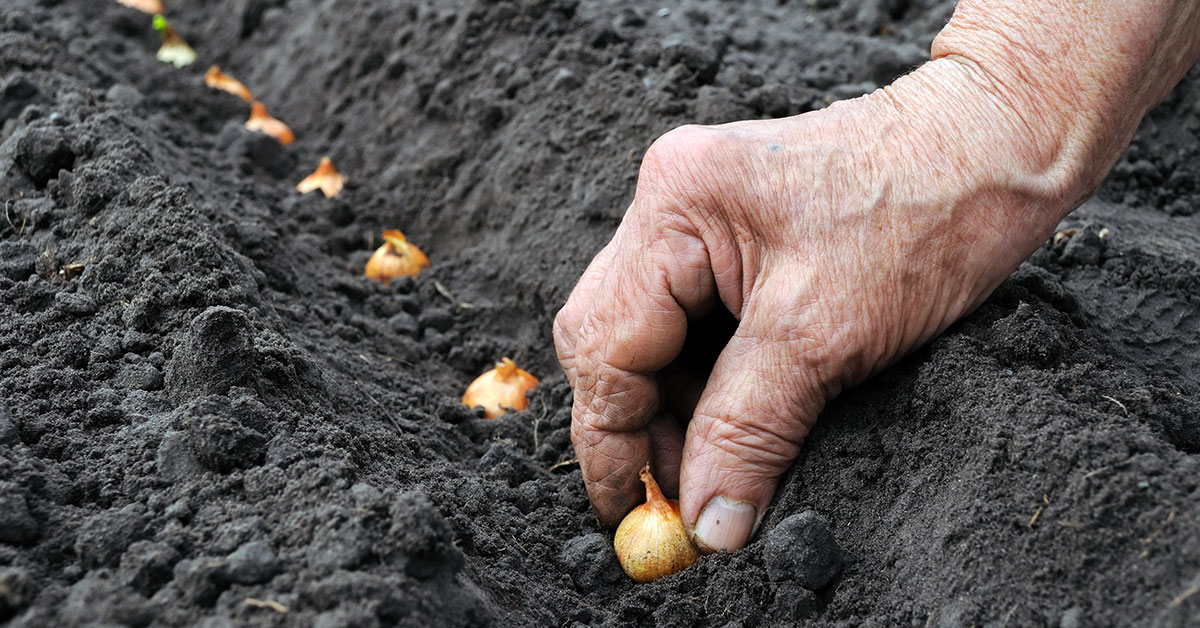

Are you an avid gardener in Alberta looking to grow your own onions? Wondering when is the best time to plant them for optimal growth and harvest? Look no further! In this comprehensive article, we will guide you through the ideal planting time for onions in Alberta.
With its unique climate and weather conditions, Alberta presents specific challenges and opportunities for onion cultivation. By understanding the region’s climate patterns, soil conditions, and onion varieties that thrive best in this area, you’ll be equipped with the knowledge to plan and execute a successful onion planting season.
Whether you’re a seasoned gardener or just starting out, this article will provide you with valuable insights and tips to maximize your onion harvest in Alberta.
Best onions to grow in Alberta
In Alberta, some good varieties of onions that are known to do well include:
- Copra: This variety is a popular choice for its storage capabilities and strong flavor. It produces medium to large-sized bulbs with dark yellow skin.
- Redwing: This red onion variety is known for its sweet and mild flavor. It has a deep-red skin color and produces medium to large-sized bulbs.
- Stuttgarter: This variety is excellent for growing in Alberta’s cooler climate. It produces medium to large-sized bulbs with yellow-brown skin. It has a mild flavor and is suitable for both fresh use and storage.
- Walla Walla: Although it is originally from Washington, Walla Walla onions have shown success in Alberta’s climate. They have a sweet and mild flavor and produce large-sized bulbs with light yellow skin.
- Ailsa Craig: This variety is known for its jumbo-sized bulbs, making it great for exhibition purposes. It has a mild and sweet flavor and produces bulbs with golden-yellow skin.
Remember to consider your location, climate, and personal preferences when selecting onion varieties. It’s also worth checking with local nurseries or garden centers for varieties specifically recommended for your area.
When to plant Onions in Alberta
In Alberta, the hardiness zones vary across the province due to its diverse climate. The province is divided into four main hardiness zones: Zone 0, Zone 1, Zone 2, and Zone 3. Let’s take a closer look at each zone and determine the best time to plant onions in Alberta.
- Zone 0: This zone covers the northernmost parts of Alberta, including areas such as High Level and Fort McMurray. Zone 0 experiences extremely cold winters, with temperatures dropping below -50°F (-45°C). Due to the short growing season and harsh conditions, it is challenging to grow onions in this zone. Onions are best suited for greenhouse production or starting indoors before transplanting after the last frost.
- Zone 1: This zone includes areas like Peace River, Slave Lake, and Cold Lake. Zone 1 has a longer but still relatively short growing season compared to other areas in Alberta. The average minimum temperature ranges from -45°F to -50°F (-42°C to -45°C). Onions can be planted in Zone 1 from early to mid-May, depending on the weather and soil conditions. It is recommended to start onion seeds indoors or purchase transplants for a head start.
- Zone 2: Zone 2 covers a large portion of Alberta, including cities like Edmonton, Calgary, and Red Deer. This zone experiences milder winters compared to Zone 0 and Zone 1, with average minimum temperatures ranging from -35°F to -40°F (-37°C to -40°C). Onions can be planted in Zone 2 from mid-April to early May. Starting onions from seeds indoors or purchasing transplants is recommended to ensure a successful harvest.
- Zone 3: This zone covers southern Alberta, including areas like Lethbridge, Medicine Hat, and Brooks. Zone 3 has the mildest winters in the province, with average minimum temperatures ranging from -30°F to -35°F (-34°C to -37°C). Onions can be planted in Zone 3 from mid-April to early May. Direct sowing or using transplants are suitable options, depending on your preference and growing conditions.
It’s important to note that these planting times are general guidelines and can vary depending on weather conditions, microclimates, and specific onion varieties. It is always recommended to check the local weather forecast and consult gardening resources for more accurate planting dates in your specific area.
Remember to prepare the soil properly, provide adequate moisture, and follow recommended planting and care practices to ensure successful onion growth and a bountiful harvest in Alberta.
When to harvest Onions in Alberta
The optimal time to harvest onions in Alberta is typically in late summer or early fall, around August or September. This is when the tops of the onions start to turn yellow and fall over. At this stage, the bulbs have reached their maximum size and have matured. It’s important to wait until the tops have dried out and started to wither before harvesting to ensure the onions have fully developed and can be stored properly.
Other considerations
When growing onions in Alberta, there are several other considerations to keep in mind:
- Day Length: Onions are classified as short-day, intermediate-day, or long-day varieties. In Alberta, which is located at a higher latitude, it is best to grow intermediate-day or long-day varieties. These varieties require 12 to 14 hours of daylight to form bulbs.
- Soil Preparation: Onions prefer loose, well-drained soil with a pH level between 6.0 and 7.5. Before planting, amend the soil with organic matter such as compost or well-rotted manure to improve its fertility and drainage.
- Planting Time: Onions can be sown directly in the garden or started indoors as transplants. In Alberta, it is recommended to start onion seeds indoors in early to mid-March, 8 to 10 weeks before the last frost date. Transplants can be set in the garden around mid-May, after the danger of frost has passed.
- Spacing: Onions should be spaced 4 to 6 inches apart in rows that are 12 to 18 inches apart. Proper spacing allows the bulbs to develop fully and reduces competition for nutrients and water.
- Watering: Onions require consistent moisture, especially during bulb formation. Water deeply, providing about 1 inch of water per week, and adjust as needed based on rainfall and soil moisture levels. Avoid overwatering, as onion bulbs can rot in soggy soil.
- Fertilization: Onions are heavy feeders and benefit from regular fertilization. Before planting, incorporate a balanced granular fertilizer into the soil. Additionally, side-dress the plants with nitrogen-rich fertilizer every 3 to 4 weeks during the growing season.
- Mulching: Applying a layer of organic mulch around the onion plants helps conserve moisture, suppress weed growth, and maintain a more stable soil temperature.
- Pest and Disease Management: Onions are susceptible to various pests and diseases, including onion maggots, thrips, and fungal diseases like downy mildew and pink root. Monitor your plants regularly, practice good sanitation, and consider using organic pest control methods or disease-resistant onion varieties.
- Harvesting: Onions are ready for harvest when the tops start to yellow and fall over. Lift the bulbs gently from the soil, cure them in a dry, well-ventilated area for a few weeks, and then trim the tops before storing.
By considering these factors, you can increase your chances of successfully growing onions in Alberta.