
Welcome to the world of okra cultivation in Zone 12! If you’re a gardening enthusiast residing in this tropical and subtropical region, you’re in for a treat. Okra, scientifically known as Abelmoschus esculentus, is a warm-season vegetable that thrives in the heat and humidity that Zone 12 offers. Known for its vibrant green pods and unique flavor, okra is a versatile plant that can be used in a variety of culinary dishes. However, to ensure a successful harvest, it’s crucial to understand the ideal timing for planting okra in Zone 12. In this article, we will delve into the specific considerations and guidelines for when to plant okra in this zone, allowing you to maximize your gardening efforts and enjoy a bountiful okra harvest.
Best okra varieties to grow in zone 12
In Zone 12, which is a tropical climate with high temperatures and long growing seasons, there are several okra varieties that perform well. Here are a few varieties that are known to thrive in such conditions:
- Clemson Spineless: This is a popular variety that produces high yields of tender, spineless pods. It is known for its disease resistance and adaptability to different climates, including tropical regions.
- Emerald: This variety is highly productive and has dark green pods that remain tender even when they reach larger sizes. It is heat-tolerant and performs well in tropical climates.
- Jambalaya: This variety is prized for its ability to withstand high heat and humidity. It produces medium-sized, spineless pods that are tender and delicious.
- Annie Oakley II: This variety is known for its early maturity and high productivity. It produces spineless pods that are tender and flavorful, making it a great choice for tropical regions.
- Burgundy: If you’re looking for something unique, Burgundy okra is a great option. It produces deep red pods that turn green when cooked. It is heat-tolerant and can handle the tropical climate of Zone 12.
Remember to provide ample sunlight, well-drained soil, and regular watering to ensure the best growth and yield of okra plants in Zone 12.
When to plant okra in zone 12
In zone 12, which is characterized by warm and tropical climates, the best time to plant okra is during the dry season when temperatures are consistently warm. Okra is a heat-loving plant that thrives in temperatures between 75°F and 95°F (24°C to 35°C). It is important to avoid planting okra during the cooler months or when there is a risk of frost.
How to grow okra in zone 12
Growing okra requires careful attention to planting, soil preparation, watering, and pest control. Here are the steps and considerations for successfully growing okra:
- Climate and Timing: Okra thrives in warm climates with temperatures between 75-90°F (24-32°C). It is best to plant okra seeds or seedlings after the last frost date when the soil temperature reaches around 65°F (18°C).
- Soil Preparation: Okra prefers well-drained soil with a pH level between 6.0-6.8. Before planting, amend the soil with organic matter like compost or aged manure to improve fertility and drainage. Loosen the soil to a depth of 8-12 inches (20-30 cm).
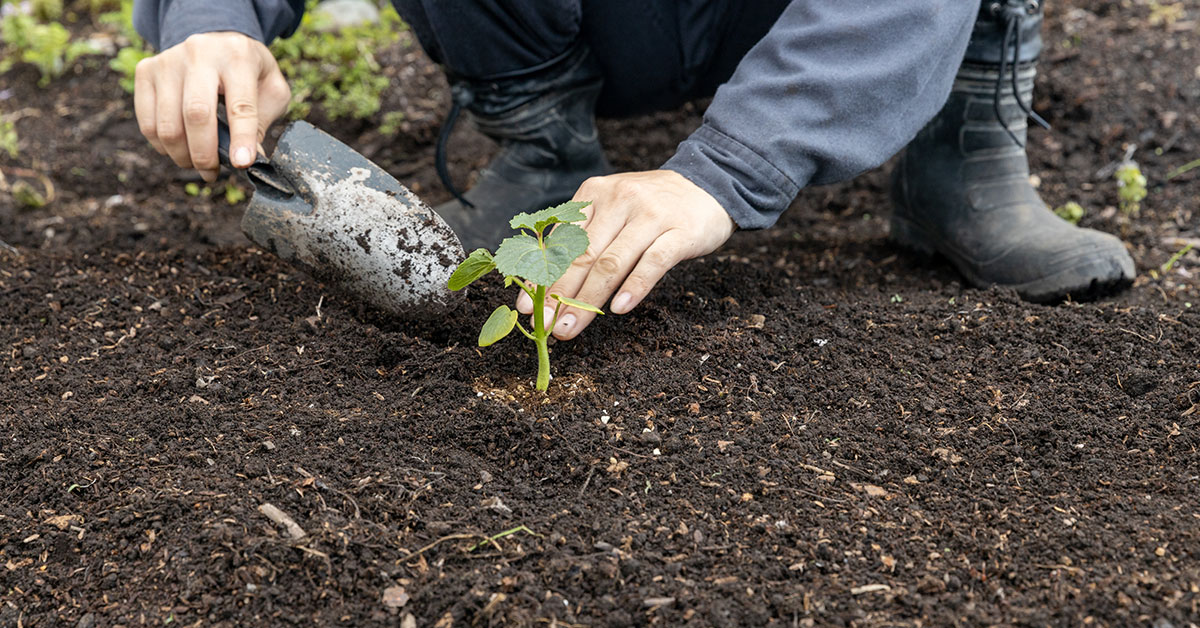
- Planting: Sow okra seeds directly into the garden bed, spacing them 12-18 inches (30-45 cm) apart. Plant the seeds 1 inch (2.5 cm) deep, and cover them with soil. Alternatively, you can start seeds indoors 4-6 weeks before the last frost and transplant the seedlings when they are 3-4 inches (7-10 cm) tall.
- Watering: Okra requires regular watering, especially during dry spells. Water deeply, providing around 1 inch (2.5 cm) of water per week. Avoid overhead watering to prevent fungal diseases. Mulching around the plants helps retain moisture and suppress weeds.
- Fertilization: Okra is a heavy feeder and benefits from regular fertilization. Apply a balanced organic fertilizer or a slow-release granular fertilizer according to the package instructions. Side-dress the plants with fertilizer every 4-6 weeks during the growing season.
- Support: Okra plants can grow quite tall, reaching heights of 4-6 feet (1.2-1.8 meters). Consider staking or providing support to prevent the plants from falling over during heavy winds or when laden with fruit.
- Pest and Disease Control: Common pests that affect okra include aphids, flea beetles, and stink bugs. Monitor your plants regularly and take appropriate measures like handpicking pests or using organic insecticides if necessary. Diseases like powdery mildew and root rot can also affect okra, so ensure good air circulation and avoid overwatering.
- Harvesting: Okra pods are ready to harvest when they are 2-4 inches (5-10 cm) long and still tender. Harvest every 2-3 days to encourage continuous production. Use a sharp knife or pruners to cut the pods from the plant, taking care not to damage the stem.
By following these steps and considering the specific needs of okra, you can successfully grow this warm-season vegetable in your garden.
When to harvest okra
In Zone 12, which has a warm and tropical climate, okra can be grown year-round. However, the best time to pick okra is when the pods are young and tender, typically around 3-4 inches in length. It is important to harvest okra regularly, every 2-3 days, to ensure that the pods are at their peak quality and to encourage continuous production. Leaving the pods on the plant for too long can result in tough and fibrous okra, which is less desirable for culinary purposes.
Common okra problems and fixes
Common problems when growing okra include:
- Poor germination: Okra seeds may have low germination rates. To improve germination, soak the seeds in water overnight before planting. Additionally, ensure that the soil temperature is consistently warm (around 70-90°F) for optimal germination.
- Pests: Common pests that affect okra include aphids, flea beetles, and caterpillars. To control these pests, you can use organic insecticidal soaps or neem oil. Regularly inspect your plants for signs of infestation and take appropriate action promptly.
- Powdery mildew: This fungal disease appears as a white powdery coating on the leaves. To prevent powdery mildew, ensure good air circulation around the plants by spacing them adequately. Avoid overhead watering, as moisture on the leaves can promote the growth of the fungus. If powdery mildew does occur, treat it with a fungicide specifically formulated for powdery mildew.
- Blossom end rot: This condition causes the ends of the okra pods to turn brown or black. It is typically caused by calcium deficiency or irregular watering. To prevent blossom end rot, ensure consistent soil moisture by watering deeply and regularly. Additionally, maintain proper soil pH and provide adequate calcium through amendments like gypsum or crushed eggshells.
- Lack of fruiting: If your okra plants are not producing fruits, it could be due to inadequate pollination. Okra flowers are self-pollinating, but sometimes they may require assistance. Gently shake the plants or use a small brush to transfer pollen between flowers. Additionally, ensure that the plants receive sufficient sunlight and nutrients for optimal fruit production.
Remember to provide your okra plants with full sun exposure, well-draining soil, and regular watering. Regularly monitor your plants for any signs of problems, and take appropriate action promptly to ensure healthy growth and a bountiful harvest.