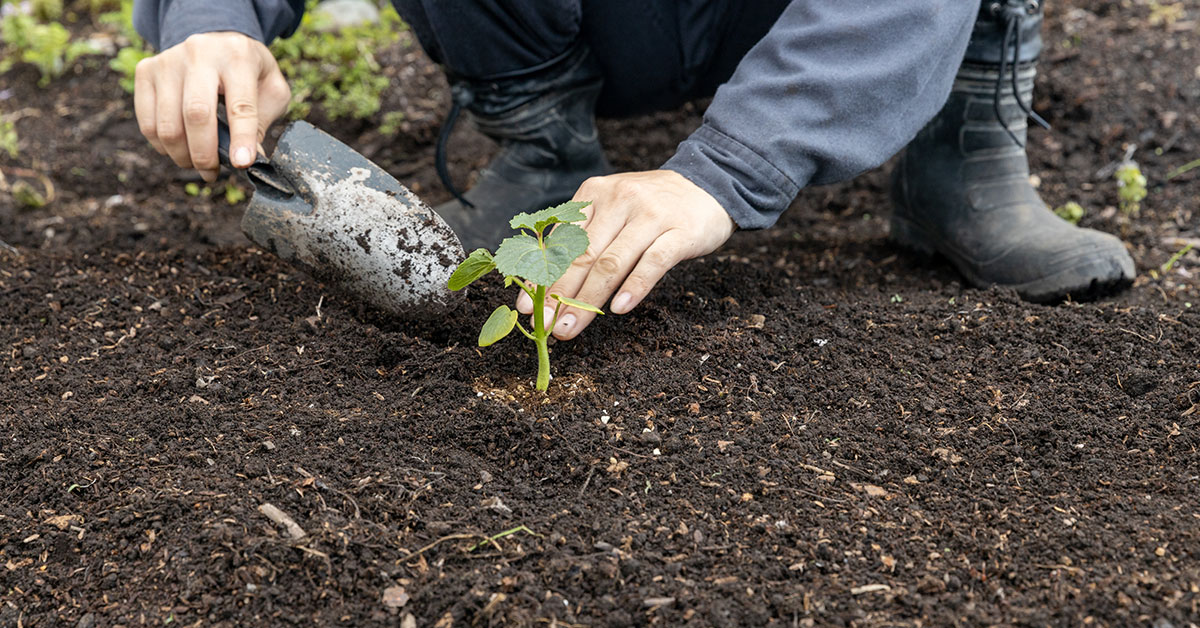

Wyoming’s unique climate and growing conditions present both challenges and opportunities for gardeners. While the state’s diverse landscapes and varying elevations offer a range of microclimates, it is crucial to understand the specific requirements of each crop to achieve a bountiful harvest. When it comes to cultivating okra, a warm-season vegetable with a rich cultural history, timing is of the essence. In this article, we will delve into the intricacies of growing okra in Wyoming, exploring the optimal planting time, key considerations, and expert tips to ensure your okra plants thrive in the Cowboy State’s challenging environment.
Whether you are a seasoned gardener or a novice looking to embark on an okra-growing adventure, this guide will equip you with the knowledge needed to cultivate this beloved vegetable successfully.
Best okra varieties to grow in Wyoming
Okra is a warm-season crop that thrives in hot and humid climates. Wyoming, being a colder region, poses some challenges for growing okra. However, with proper care and selection of suitable varieties, it is still possible to grow okra successfully in Wyoming. When choosing okra varieties for Wyoming, it is important to select those with a shorter growing season and more cold tolerance. Here are a few varieties that have shown some success in colder climates:
- Clemson Spineless: This is a popular variety known for its tender pods and disease resistance. It has a relatively short growing season, making it suitable for cooler climates.
- Burgundy: This variety has deep red pods and is known for its ornamental value. It also has good cold tolerance and can be grown in Wyoming with proper care.
- Annie Oakley II: This variety is known for its early maturity and compact growth habit. It produces tender pods and can be a good choice for colder regions.
- Emerald: This variety is known for its dark green pods and excellent flavor. While it may require a longer growing season, it can still be grown in Wyoming if started early and provided with adequate protection.
When growing okra in Wyoming, it is important to start the seeds indoors or in a greenhouse to give them a head start before transplanting them outdoors. Additionally, using black plastic mulch or row covers can help warm the soil and provide some protection against cold temperatures. Remember to provide your okra plants with full sun exposure, regular watering, and well-draining soil. Okra plants also benefit from regular fertilization throughout the growing season. While growing okra in Wyoming may require some extra effort and attention, selecting suitable varieties and providing the right growing conditions can increase your chances of success.
When to plant okra in Wyoming
In Wyoming, the best time to plant okra varies depending on the specific hardiness zone. Wyoming is divided into four hardiness zones: Zone 3, Zone 4, Zone 5, and Zone 6. Here are the recommended planting times for each zone:
- Zone 3: The average last frost date in Zone 3 is around May 15th. It is best to plant okra seeds indoors 4-6 weeks before the last frost date, which would be around early to mid-April. Transplant the seedlings outdoors after the danger of frost has passed, typically around late May or early June.
- Zone 4: The average last frost date in Zone 4 is around May 30th. Start okra seeds indoors 4-6 weeks before the last frost date, which would be around early to mid-May. Transplant the seedlings outdoors after the frost risk has diminished, usually around early to mid-June.
- Zone 5: The average last frost date in Zone 5 is around June 1st. Begin sowing okra seeds indoors 4-6 weeks before the last frost date, which would be around early to mid-May. Transplant the seedlings outdoors after the danger of frost has passed, typically around mid to late June.
- Zone 6: The average last frost date in Zone 6 is around May 15th. Start okra seeds indoors 4-6 weeks before the last frost date, which would be around early to mid-April. Transplant the seedlings outdoors after the danger of frost has passed, usually around late May or early June.
It’s important to note that these are general guidelines, and local weather conditions can vary. Keep an eye on the weather forecast and adjust your planting schedule accordingly. Additionally, okra prefers warm soil temperatures, so using black plastic mulch or row covers can help warm up the soil and promote better growth.
How to grow okra in Wyoming
Growing okra requires careful planning and attention to detail. Here are the steps and considerations to keep in mind:
- Climate and Season: Okra thrives in warm climates with temperatures between 75-95°F (24-35°C). It is typically grown as an annual plant, so choose a season with a long growing period, usually spring or early summer.
- Soil Preparation: Okra prefers well-draining soil with a pH level between 6.0-6.8. Prepare the soil by adding organic matter like compost or aged manure to improve fertility and drainage.
- Seed Selection: Choose high-quality okra seeds from a reputable source. There are various okra varieties available, so select one that suits your climate and preferences. Popular varieties include Clemson Spineless, Emerald, and Annie Oakley II.
- Starting Seeds Indoors (Optional): If you have a short growing season, you can start okra seeds indoors 4-6 weeks before the last frost date. Use seed trays or pots filled with seed-starting mix. Keep the soil moist and provide sufficient light until the seedlings are ready for transplanting.
- Transplanting: Once the soil has warmed up and there is no risk of frost, transplant the okra seedlings into the garden. Space the plants about 12-18 inches apart, allowing enough room for the plants to grow and spread.
- Planting Directly in the Garden: If you choose not to start seeds indoors, sow the okra seeds directly into the garden after the last frost date. Plant the seeds about 1 inch deep and 3-4 inches apart. Thin the seedlings to the desired spacing once they have grown a few inches tall.
- Watering: Okra plants require regular watering, especially during dry spells. Water deeply, providing about 1 inch of water per week. Avoid overhead watering to prevent fungal diseases. Mulching around the plants can help retain moisture and suppress weed growth.
- Fertilization: Okra is a heavy feeder, so it benefits from regular fertilization. Apply a balanced organic fertilizer or a slow-release granular fertilizer according to the package instructions. Side-dress the plants with additional fertilizer every 4-6 weeks during the growing season.
- Pest and Disease Control: Monitor your okra plants regularly for pests like aphids, flea beetles, and stink bugs. Use organic pest control methods such as handpicking, insecticidal soaps, or neem oil if necessary. Common diseases that affect okra include powdery mildew and root rot. Proper spacing, good air circulation, and avoiding overhead watering can help prevent these issues.
- Harvesting: Okra pods are ready for harvest when they are about 2-4 inches long. Harvest them every 2-3 days to ensure they are tender and not overripe. Use a sharp knife or pruners to cut the pods from the plant, being careful not to damage the stem or leaves.
By following these steps and considerations, you can successfully grow healthy and productive okra plants in your garden.
When to harvest
In Wyoming, the growing season for okra can be quite short due to the region’s cooler climate. It is important to choose okra varieties that have a shorter maturity period, typically around 50-60 days, to ensure a successful harvest before the first frost.
To determine the ideal time for picking okra, you should monitor the plant’s growth and look for certain indicators. Okra pods are typically ready to be harvested when they reach around 2-4 inches in length. They should still be tender and easy to snap off the plant. If the pods become too large or tough, they can become woody and less enjoyable to eat.
In Wyoming, it is crucial to keep an eye on the weather forecast, as the first frost can occur earlier than in other regions. As the temperatures start dropping, it is advisable to harvest the remaining okra pods, even if they are not fully mature. These underdeveloped pods can still be used for pickling or cooking.
To extend the growing season, you can also consider using season extension techniques such as row covers or cold frames to protect the plants from frost and prolong the harvest.
Common okra problems and fixes
Common problems when growing okra include pests, diseases, and environmental issues. Here are some common problems and their fixes:
- Aphids: These small insects can infest okra plants, sucking sap from the leaves and causing them to curl. To control aphids, you can spray the plants with a strong jet of water to dislodge them. Alternatively, use insecticidal soap or neem oil spray to kill the aphids.
- Flea beetles: These tiny beetles chew small holes in the leaves, giving them a “shot-hole” appearance. To prevent flea beetles, you can use row covers or insect netting to physically block them from reaching the plants. Applying diatomaceous earth around the base of the plants can also deter them.
- Powdery mildew: This fungal disease appears as a white powdery coating on the leaves, inhibiting photosynthesis and stunting plant growth. To prevent powdery mildew, ensure proper air circulation by spacing plants adequately. Avoid overhead watering and instead water at the base of the plants. Applying a fungicide labeled for powdery mildew can also help control the disease.
- Root-knot nematodes: These microscopic worms attack the roots, causing stunted growth and yellowing leaves. To manage nematodes, choose resistant okra varieties. Additionally, crop rotation with non-host plants and soil solarization (covering the soil with clear plastic to trap heat) can help reduce nematode populations.
- Heat stress: Okra thrives in warm climates but can suffer from heat stress during extreme temperatures. To mitigate heat stress, provide adequate water to keep the soil consistently moist. Mulching around the plants can help retain soil moisture and regulate soil temperature. Providing shade during the hottest part of the day using shade cloth or planting taller crops nearby can also provide relief.
- Poor fruit set: If your okra plants are flowering but not producing many fruits, it could be due to inadequate pollination. To improve pollination, attract pollinators to your garden by planting flowers that they are attracted to. You can also gently shake the plants to release pollen or use a small brush to transfer pollen between flowers.
Remember to regularly monitor your okra plants for any signs of problems and take prompt action to address them.