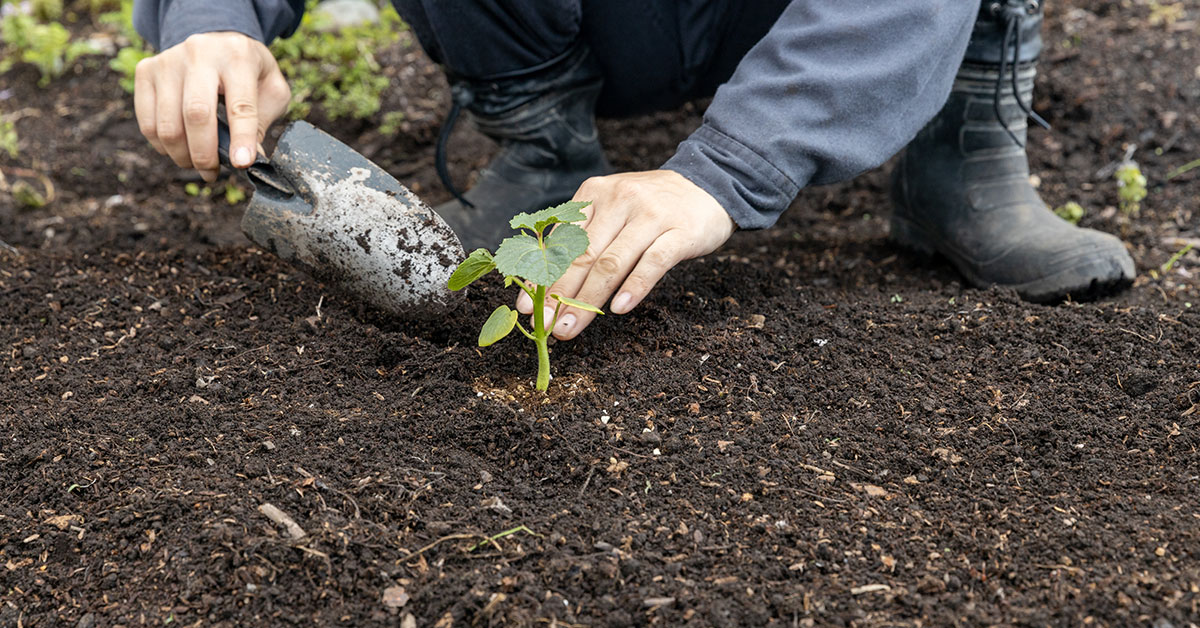

Wisconsin’s diverse climate poses unique challenges for gardeners, particularly when it comes to growing warm-season crops like okra. Known for its vibrant green pods and versatile culinary uses, okra thrives in hot and humid conditions, making it a popular choice for gardeners seeking to add a touch of Southern flavor to their Wisconsin gardens. However, due to the state’s relatively short growing season, it is crucial to understand the optimal timing for planting okra to ensure a successful harvest. In this article, we will delve into the intricacies of growing okra in Wisconsin, focusing on the best times to plant, essential considerations, and helpful tips to maximize your yield.
Whether you’re a seasoned gardener or a novice looking to try your hand at this delicious vegetable, this guide will equip you with the knowledge needed to cultivate thriving okra plants in the Badger State.
Best okra varieties to grow in Wisconsin
In Wisconsin, it is important to choose okra varieties that have a shorter growing season and can tolerate cooler temperatures. Here are a few okra varieties that are known to perform well in Wisconsin:
- Clemson Spineless: This is a popular variety that produces tender and spineless pods. It has a relatively short growing season of around 55-60 days, making it suitable for Wisconsin’s shorter summers.
- Emerald: Another excellent variety for Wisconsin, Emerald produces dark green pods that are tender and flavorful. It has a slightly longer growing season of around 60-65 days.
- Annie Oakley II: This variety is known for its early maturity, making it ideal for cooler climates like Wisconsin. Annie Oakley II produces spineless pods and has a growing season of approximately 55-60 days.
- Burgundy: If you’re looking for something unique, Burgundy is a variety that produces deep red pods. It has a slightly longer growing season of around 65-70 days but can still be grown successfully in Wisconsin.
Remember to provide your okra plants with full sun exposure, well-draining soil, and regular watering to ensure optimal growth and yield.
When to plant okra in Wisconsin
In Wisconsin, the best time to plant okra varies depending on the hardiness zone. Wisconsin is divided into four hardiness zones: Zone 3, Zone 4, Zone 5, and Zone 6. Here are the recommended planting times for each zone:
- Zone 3: The average last frost date in Zone 3 is around mid-May. Therefore, it is best to plant okra seeds indoors 6-8 weeks before the last frost date, which would be around late March to early April. Once the danger of frost has passed, you can transplant the seedlings outdoors.
- Zone 4: In Zone 4, the average last frost date is typically in late April or early May. Similar to Zone 3, start okra seeds indoors 6-8 weeks before the last frost date, around late February to early March. Transplant the seedlings outdoors after the threat of frost has passed.
- Zone 5: The average last frost date in Zone 5 falls between mid-April and early May. Begin sowing okra seeds indoors 4-6 weeks before the last frost date, which would be around late February to mid-March. Once the danger of frost has diminished, you can move the seedlings to your garden.
- Zone 6: Zone 6 has an average last frost date ranging from mid-April to early May. Start planting okra seeds indoors 2-4 weeks before the last frost date, which would be around late February to early April. After the last frost, you can transplant the seedlings outdoors.
It’s important to note that these are general guidelines, and weather conditions can vary from year to year. Keep an eye on local weather forecasts and adjust your planting schedule accordingly. Additionally, okra thrives in warm soil, so make sure the soil temperature has reached at least 65°F (18°C) before transplanting the seedlings outdoors.
How to grow okra in Wisconsin
Growing okra requires careful planning and attention to detail. Here are the steps and considerations to keep in mind:
- Climate and Timing: Okra thrives in warm climates with temperatures between 75-90°F (24-32°C). It is a heat-loving plant and requires a long growing season of at least 60-80 days. Plant okra seeds or seedlings after the last frost date in your area.
- Soil Preparation: Okra prefers well-drained soil with a pH level between 6.0-7.5. Before planting, amend the soil with organic matter like compost or aged manure to improve fertility and drainage.
- Planting: Sow okra seeds directly into the ground, about 1 inch deep and 12-18 inches apart. Alternatively, you can start seeds indoors 4-6 weeks before the last frost and transplant the seedlings once they have developed a few true leaves. Ensure the soil is warm, around 65°F (18°C), for successful germination.
- Sunlight: Okra requires full sun exposure, at least 6-8 hours of direct sunlight per day. Choose a location in your garden that receives ample sunlight.
- Watering: Okra plants need consistent moisture, especially during the flowering and fruiting stages. Water deeply once or twice a week, providing about 1 inch of water per week. Avoid overwatering, as it can lead to root rot.
- Fertilization: Okra is a heavy feeder and benefits from regular fertilization. Apply a balanced organic fertilizer or compost at planting time and side-dress with additional fertilizer every 4-6 weeks during the growing season.
- Mulching: Apply a layer of organic mulch, such as straw or wood chips, around the base of the plants to conserve moisture, suppress weeds, and maintain a more even soil temperature.
- Support: Okra plants can grow tall, reaching heights of 4-6 feet. Consider providing support, such as stakes or trellises, to prevent the plants from toppling over during heavy winds or when laden with fruit.
- Pest and Disease Management: Monitor your okra plants regularly for pests like aphids, flea beetles, and stink bugs. Use organic pest control methods like handpicking, spraying with insecticidal soap, or introducing beneficial insects. Common diseases affecting okra include powdery mildew and root rot. Ensure good air circulation and avoid overhead watering to prevent these issues.
- Harvesting: Okra pods are ready for harvest when they are 2-4 inches long and still tender. Harvest every 2-3 days to encourage continuous production. Use a sharp knife or pruners to cut the pods from the stem, being careful not to damage the plant.
By following these steps and considering the specific needs of okra, you can successfully grow this delicious and nutritious vegetable in your garden.
When to harvest okra
In Wisconsin, the ideal time to pick okra is typically from mid to late summer, usually around August or September. Okra plants require warm temperatures to thrive and produce a good harvest. It is important to note that okra has a relatively long growing season, typically around 60 to 70 days from planting to harvest. Therefore, it is recommended to start planting okra seeds indoors in late spring or early summer, and then transplant them outdoors once the soil has warmed up and there is no longer a risk of frost. By doing so, you can ensure that your okra plants have enough time to mature and produce pods before the cooler temperatures of fall arrive.
Common okra problems and fixes
Common problems when growing okra include:
- Poor germination: Okra seeds may have a low germination rate. To improve germination, soak the seeds in warm water for 24 hours before planting. Additionally, ensure that the soil temperature is consistently around 70-90°F (21-32°C) for optimal germination.
- Pests: Okra can be susceptible to pests like aphids, flea beetles, and caterpillars. To control these pests, regularly inspect the plants and remove any affected leaves or insects manually. You can also use organic insecticidal soaps or neem oil sprays to deter pests.
- Diseases: Okra can be prone to diseases such as powdery mildew, root rot, and bacterial wilt. To prevent these diseases, ensure proper spacing between plants for good air circulation, avoid overwatering, and practice crop rotation. If necessary, apply appropriate fungicides or bactericides as recommended by a local gardening expert.
- Nutrient deficiencies: Okra plants may suffer from nutrient deficiencies, particularly nitrogen and potassium. To address this, regularly fertilize the plants with a balanced organic fertilizer or compost. Nitrogen-rich fertilizers can be applied during the vegetative growth stage, while potassium-rich fertilizers are beneficial during flowering and fruiting.
- Heat stress: Okra thrives in warm climates, but excessive heat can cause stress and reduce fruit production. To mitigate heat stress, provide shade during the hottest parts of the day, mulch around the plants to retain soil moisture and moderate temperature, and ensure adequate watering to prevent dehydration.
- Improper harvesting: Harvesting okra at the right stage is crucial. If left on the plant too long, okra pods become tough and fibrous. Harvest when the pods are around 2-4 inches (5-10 cm) long and still tender. Use a sharp knife or pruning shears to cut the pods from the plant, being careful not to damage the stem or other developing pods.
By addressing these common problems, you can increase the chances of successfully growing healthy and productive okra plants.