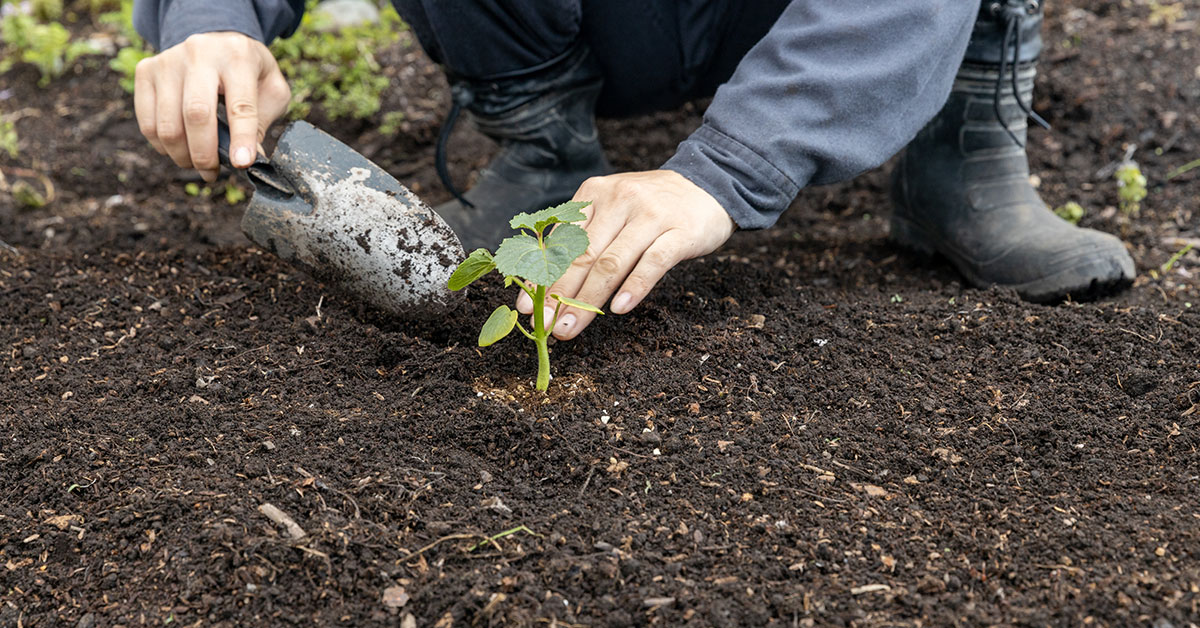

Welcome to our comprehensive guide on when to plant okra in the beautiful state of West Virginia! Okra, scientifically known as Abelmoschus esculentus, is a warm-season vegetable that thrives in the region’s temperate climate. Known for its distinctive flavor and versatility in various culinary dishes, okra is a popular choice among home gardeners and farmers alike. To ensure a successful harvest, it is crucial to understand the ideal planting time, as West Virginia’s unique climate can present challenges. In this article, we will delve into the optimal timing for planting okra, taking into account the state’s weather patterns, soil conditions, and other essential factors that contribute to a bountiful okra harvest.
Whether you are a seasoned gardener or a beginner looking to cultivate this delightful vegetable, read on to discover the best practices for growing okra in West Virginia.
Best okra varieties to grow in West Virginia
In West Virginia, it is important to choose okra varieties that have a relatively short growing season and are tolerant of cooler temperatures. Here are a few varieties that tend to perform well in West Virginia:
- Clemson Spineless: This is a popular variety known for its high yield and disease resistance. It matures in about 55-60 days and produces tender, spineless pods.
- Emerald: Another excellent choice for West Virginia, Emerald is a dwarf variety that grows to about 3-4 feet tall. It has a quick maturity period of around 50-55 days and produces dark green, spineless pods.
- Annie Oakley II: This variety is well-suited for cooler climates and has a maturity period of around 55-60 days. It produces abundant, spineless pods and is known for its excellent flavor.
- Burgundy: If you’re looking for something a bit different, Burgundy is a red okra variety that can add a pop of color to your garden. It has a maturity period of around 55-60 days and produces tender, flavorful pods.
Remember to provide your okra plants with full sun exposure, well-draining soil, and regular watering to ensure optimal growth and yield.
When to plant okra in West Virginia
In West Virginia, the best time to plant okra depends on the specific hardiness zone you are in. West Virginia is divided into three main hardiness zones: Zone 5, Zone 6, and Zone 7. Here are the recommended planting times for each zone:
- Zone 5: In Zone 5, which covers the northernmost parts of West Virginia, the average last frost date is around mid-May. It is best to wait until after the last frost to plant okra outdoors. Therefore, the ideal time to plant okra in Zone 5 is from late May to early June.
- Zone 6: Zone 6 covers a large portion of West Virginia, including the central region. The average last frost date in this zone is typically in mid-April. You should wait until after the last frost to plant okra outdoors. Therefore, the best time to plant okra in Zone 6 is from late April to early May.
- Zone 7: Zone 7 covers the southernmost parts of West Virginia. The average last frost date in this zone is usually in early to mid-April. It is advisable to wait until after the last frost to plant okra outdoors. Therefore, the ideal time to plant okra in Zone 7 is from mid to late April.
Regardless of the zone, okra thrives in warm soil and air temperatures. It is a heat-loving plant, so make sure the soil temperature is consistently above 60°F (15°C) before planting. If you prefer to start okra indoors, you can begin sowing seeds 4-6 weeks before the last frost date and transplant them outdoors once the soil has warmed up.
Remember to provide adequate spacing between okra plants, as they can grow quite tall and wide. Additionally, ensure they receive full sun exposure and regular watering throughout the growing season. With proper care, you can enjoy a bountiful okra harvest in West Virginia.
How to grow okra in West Virginia
Growing okra requires careful planning and attention to detail. Here are the steps and considerations to keep in mind:
- Climate and Soil: Okra thrives in warm climates with temperatures between 75-90°F (24-32°C). It requires well-draining soil with a pH level of 6.0-6.8. Ensure that the soil is rich in organic matter and has good fertility.
- Seed Selection: Choose high-quality okra seeds from a reputable source. Look for varieties that are suitable for your climate and have disease resistance.
- Starting Seeds: Start okra seeds indoors 4-6 weeks before the last frost date in your area. Sow the seeds in seed trays or pots filled with seed starting mix. Keep the soil consistently moist and provide sufficient light for germination.
- Transplanting: Once the seedlings have grown to about 4-6 inches tall and the danger of frost has passed, transplant them into the garden. Space the plants 12-18 inches apart, allowing enough room for them to grow.
- Watering: Okra plants require regular watering, especially during dry periods. Provide deep watering once a week, ensuring the soil is evenly moist but not waterlogged. Avoid overhead watering to prevent fungal diseases.
- Fertilization: Okra is a heavy feeder, so it benefits from regular fertilization. Apply a balanced fertilizer or compost before planting and side-dress with nitrogen-rich fertilizer every 3-4 weeks during the growing season.
- Mulching: Apply a layer of organic mulch around the base of the plants to conserve moisture, suppress weeds, and maintain a more consistent soil temperature.
- Pruning: Okra plants can grow quite tall, reaching heights of 4-6 feet. To encourage bushier growth and better fruit production, pinch off the top of the main stem when the plant is around 12-18 inches tall.
- Pest and Disease Control: Keep an eye out for common pests like aphids, flea beetles, and stink bugs. Use organic pest control methods such as handpicking, insecticidal soaps, or neem oil if necessary. Monitor for diseases like powdery mildew and treat with appropriate fungicides if needed.
- Harvesting: Okra pods are ready to harvest when they are 2-4 inches long and tender. Harvest every 2-3 days to prevent the pods from becoming tough and fibrous. Use a sharp knife or scissors to cut the pods from the plant.
By following these steps and considerations, you can successfully grow healthy and productive okra plants in your garden.
When to harvest okra
In West Virginia, okra is typically ready to be picked from mid to late summer, usually around July or August. The exact timing can vary depending on the specific weather conditions and the variety of okra you are growing. It is important to monitor the plants closely and harvest the pods when they are young and tender, around 2-4 inches in length. If the okra pods are left on the plant for too long, they can become tough and fibrous. Regular harvesting encourages the plant to produce more pods throughout the growing season.
Common okra problems and fixes
Common problems when growing okra include pests, diseases, and environmental issues. Here are some common problems and their fixes:
- Aphids: Use insecticidal soap or neem oil to control aphids. Alternatively, spray a strong stream of water to dislodge them.
- Flea beetles: Apply diatomaceous earth or use floating row covers to protect young plants from flea beetles.
- Spider mites: Spray plants with a strong stream of water to remove spider mites. Neem oil or insecticidal soap can also be used.
- Caterpillars: Handpick caterpillars or use organic insecticides like Bacillus thuringiensis (Bt) to control them.
- Fusarium wilt: Plant disease-resistant varieties and practice crop rotation to prevent the spread of fusarium wilt. Remove and destroy infected plants.
- Powdery mildew: Improve air circulation by spacing plants properly. Apply fungicides containing sulfur or neem oil to control powdery mildew.
- Root rot: Avoid overwatering and ensure proper drainage. Plant in well-draining soil and avoid waterlogged conditions.
- Heat stress: Provide shade during the hottest parts of the day, mulch around plants to conserve moisture, and water deeply to help plants cope with heat stress.
- Nutrient deficiencies: Ensure proper soil fertility by amending with compost or well-balanced organic fertilizers. Monitor nutrient levels and adjust accordingly.
- Poor pollination: Okra flowers require pollinators to set fruit. Encourage pollinators by planting flowers nearby or hand-pollinate by transferring pollen from male to female flowers using a small brush or cotton swab.
Remember to monitor your plants regularly, practice good garden hygiene, and take preventive measures to minimize problems