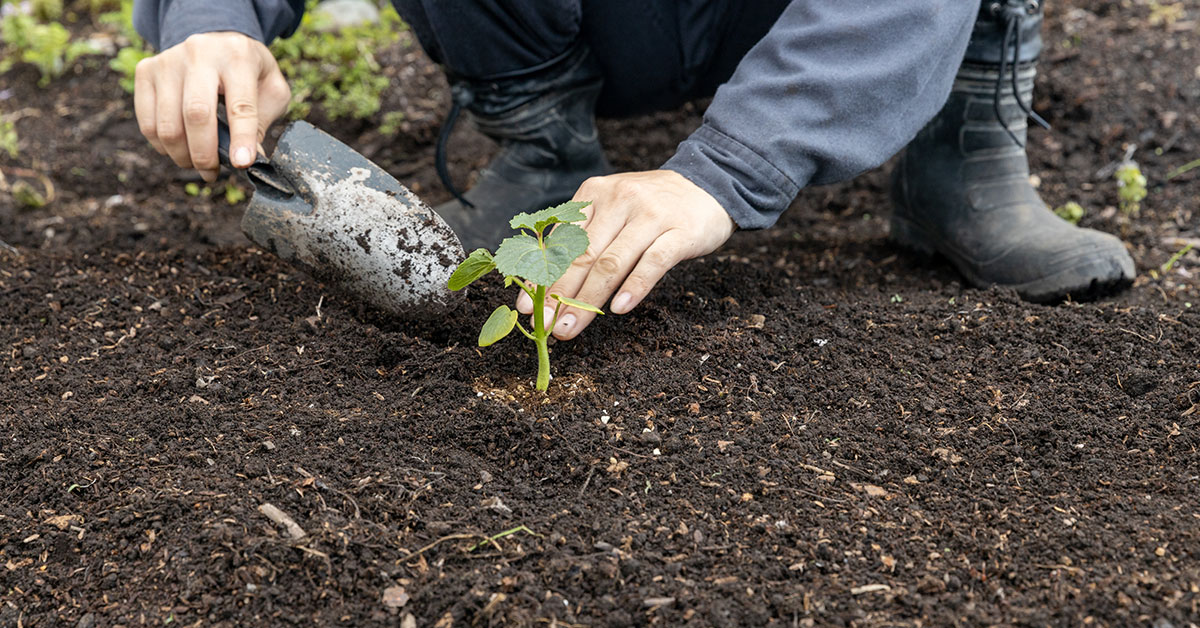

Washington, with its diverse climate and fertile soil, offers a promising environment for cultivating a wide range of crops. Among these, okra stands out as a versatile and heat-loving vegetable that can thrive in the state’s warmer regions. However, successful okra cultivation requires careful consideration of the planting timeline to ensure optimal growth and yield. In this comprehensive guide, we will delve into the specifics of when to plant okra in Washington, taking into account the state’s unique climate zones and the vegetable’s specific requirements.
Whether you are a seasoned gardener or a novice looking to embark on a new horticultural adventure, this article will equip you with the knowledge needed to achieve a bountiful okra harvest in the Evergreen State.
Best okra varieties to grow in Washington
Okra is a warm-season crop that thrives in hot and humid climates. Washington’s cooler and less humid climate can present challenges for growing okra. However, there are a few okra varieties that can be successful in Washington with proper care and attention. Here are some varieties that are known to perform relatively well in Washington:
- Clemson Spineless: This is a popular variety that produces tender and spineless pods. It is known for its high yields and adaptability to different climates, including cooler regions like Washington.
- Burgundy: This variety stands out for its deep red pods and attractive foliage. It is a bit more cold-tolerant than other okra varieties, making it suitable for Washington’s climate.
- Emerald: Emerald okra is a vigorous variety that produces dark green pods. It is known for its disease resistance and performs relatively well in cooler climates.
- Annie Oakley II: This variety is known for its early maturity and high yields. It produces spineless pods that are tender and flavorful.
It’s important to note that even with these varieties, growing okra in Washington may require providing additional heat and protection for the plants. Consider using raised beds or containers to create a warmer microclimate and using row covers or hoop houses to extend the growing season. Additionally, starting okra seeds indoors and transplanting them outside once the soil has warmed up can give them a head start. Remember to provide adequate sunlight, well-draining soil, and regular watering to ensure the best possible growth and yield.
When to plant okra in Washington
In Washington state, the best time to plant okra varies depending on the specific hardiness zone. Here are the recommended planting times for each zone:
- Zone 4: The best time to plant okra in Zone 4, which includes areas like Spokane and Colville, is from late May to early June. This allows the soil to warm up adequately for optimal germination and growth.
- Zone 5: In Zone 5, including cities like Yakima and Wenatchee, it is best to plant okra in late May or early June. Similar to Zone 4, this timing ensures that the soil temperature is warm enough for successful seed germination.
- Zone 6: For Zone 6, which covers areas like Seattle and Olympia, the ideal time to plant okra is from mid-May to early June. The milder climate in this zone allows for an earlier planting compared to the colder zones.
- Zone 7: In Zone 7, including regions like Vancouver and Tacoma, okra can be planted as early as mid-April to early May. The warmer temperatures in this zone allow for an extended growing season.
It’s important to note that these are general guidelines, and local weather conditions can vary from year to year. It’s always a good idea to monitor soil temperatures and weather forecasts before planting. Additionally, okra thrives in warm weather, so it’s crucial to ensure that the soil temperature reaches at least 65°F (18°C) before planting to promote successful germination and growth.
How to grow okra in Washington
Growing okra requires careful planning and attention to specific steps and considerations. Here are the key steps to successfully grow okra:
- Climate and Timing: Okra thrives in warm climates with temperatures between 75-90°F (24-32°C). It is a heat-loving plant, so make sure to plant it after the last frost date in your area. The soil temperature should be at least 65°F (18°C) for optimal germination.
- Soil Preparation: Okra prefers well-drained soil with a pH level between 6.0-6.8. Prepare the soil by removing any weeds, rocks, or debris. Add organic matter like compost or well-rotted manure to improve soil fertility and drainage.
- Planting: Sow okra seeds directly into the garden bed, as they do not transplant well. Plant the seeds about 1 inch (2.5 cm) deep, spacing them 12-18 inches (30-45 cm) apart. Leave 3-4 feet (90-120 cm) between rows to allow for proper growth.
- Watering: Okra requires regular watering, especially during dry spells. Keep the soil consistently moist but not waterlogged. Water deeply, ensuring the moisture reaches the roots. Avoid overhead watering to prevent fungal diseases.
- Fertilization: Okra is a heavy feeder, so it benefits from regular fertilization. Before planting, incorporate a balanced organic fertilizer into the soil. Side-dress the plants with compost or a nitrogen-rich fertilizer every 4-6 weeks during the growing season.
- Mulching: Apply a layer of organic mulch around the base of the plants to conserve moisture, suppress weed growth, and maintain a more consistent soil temperature.
- Support: Some okra varieties can grow quite tall, so consider providing support like stakes or trellises to prevent the plants from falling over or breaking during heavy winds or rain.
- Pest and Disease Control: Monitor your okra plants regularly for pests like aphids, flea beetles, and stink bugs. Use organic pest control methods such as handpicking, spraying with insecticidal soap, or introducing beneficial insects like ladybugs. Common diseases that affect okra include powdery mildew and root rot. Proper spacing, good air circulation, and avoiding overhead watering can help prevent these issues.
- Harvesting: Okra pods are ready to harvest when they are 2-4 inches (5-10 cm) long, tender, and easily snapped off the plant. Harvest every 2-3 days to ensure continuous production. Be careful not to let the pods become too large and tough, as they lose their flavor and tenderness.
By following these steps and considering the specific needs of okra, you can enjoy a bountiful harvest of this delicious and nutritious vegetable.
When to harvest okra
In Washington, the ideal time to pick okra is during the warm summer months. Okra is a warm-season crop that requires a long growing season with temperatures consistently above 60°F (15°C). The average last frost date in Washington varies depending on the region, but it generally falls between late April and early May.
It is recommended to start okra seeds indoors 4-6 weeks before the last frost date and transplant them outdoors once the soil has warmed up and there is no risk of frost. This is usually around mid to late May in most parts of Washington.
Okra plants typically take around 60-70 days to mature and start producing pods. The pods are ready to be harvested when they are around 2-4 inches long and still tender. It is important to regularly check the plants for ripe pods as they can quickly become tough and fibrous if left on the plant for too long. Harvesting every 2-3 days is usually necessary during peak production.
Common okra problems and fixes
Common problems when growing okra include:
- Poor germination: Okra seeds may have low germination rates. To improve germination, soak the seeds in water overnight before planting. Additionally, ensure the soil temperature is consistently warm (around 70-90°F) as cooler temperatures can hinder germination.
- Pests: Okra can be susceptible to pests such as aphids, flea beetles, and stink bugs. Regularly inspect the plants for signs of infestation, and if detected, use organic insecticidal soaps or neem oil to control the pests. Introducing beneficial insects like ladybugs or lacewings can also help control pest populations.
- Diseases: Okra can be prone to fungal diseases like powdery mildew, leaf spot, and root rot. To prevent these diseases, provide adequate spacing between plants to promote air circulation, avoid overhead watering, and practice crop rotation. If diseases occur, treat with appropriate fungicides or organic alternatives.
- Nutrient deficiencies: Okra requires well-balanced soil with sufficient nutrients. Common deficiencies include nitrogen, phosphorus, and potassium. Regularly fertilize the plants with a balanced organic fertilizer or compost to ensure they receive the necessary nutrients.
- Heat stress: Okra thrives in warm climates but can suffer from heat stress during excessively hot periods. Mulching around the plants can help retain soil moisture and regulate temperature. Providing shade during the hottest part of the day or using shade cloth can also protect the plants from extreme heat.
- Improper harvesting: Okra should be harvested when the pods are young and tender, typically around 3-4 inches in length. If left on the plant too long, the pods become tough and fibrous. Harvesting regularly encourages continuous production.
By addressing these common problems, you can increase your chances of successfully growing healthy and productive okra plants.