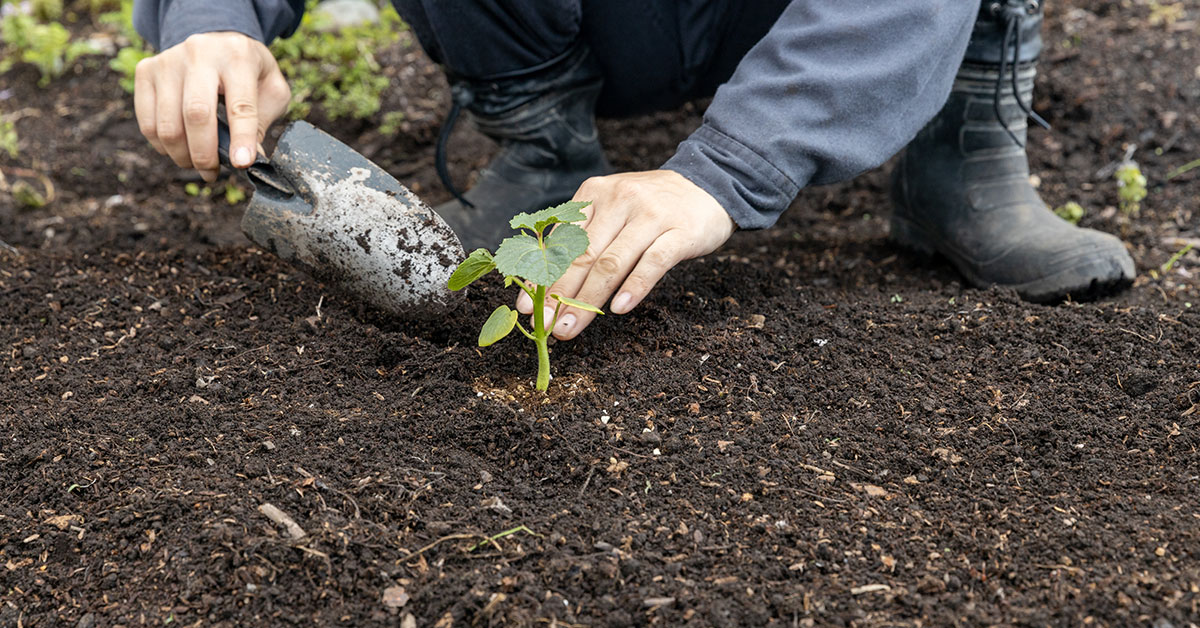

Welcome to the world of okra cultivation in the great state of Texas! Known for its hot and humid climate, Texas provides the perfect conditions for growing this versatile and delicious vegetable. Whether you’re a seasoned gardener or a beginner looking to try your hand at cultivating okra, understanding the ideal planting time is crucial for a successful harvest. In this article, we will delve into the specifics of when to plant okra in Texas, taking into consideration the region, weather patterns, and other factors that will help you maximize your yield.
Best okra varieties to grow in Texas
There are several okra varieties that grow well in Texas due to its warm climate. Here are a few popular varieties:
- Clemson Spineless: This is a widely grown variety known for its high yield and disease resistance. It produces tender, spineless pods that are excellent for cooking.
- Emerald: This variety is known for its dark green pods and vigorous growth. It has good heat tolerance and produces well in hot climates like Texas.
- Annie Oakley II: This variety is a favorite among Texas gardeners. It produces large, tender pods and has good disease resistance.
- Jambalaya: This variety is known for its early maturity and high productivity. It produces spineless pods with a delicious flavor.
- Burgundy: If you’re looking for something unique, Burgundy okra is a great choice. It produces deep burgundy-colored pods that turn green when cooked. It also has good heat tolerance.
Remember to choose a variety that suits your preferences and growing conditions. It’s also important to provide adequate water, sunlight, and regular fertilization for successful okra cultivation in Texas.
When to plant okra in Texas
In Texas, the best time to plant okra varies slightly depending on the hardiness zone. Okra is a warm-season crop that thrives in hot and humid conditions. Here are the recommended planting times for each hardiness zone in Texas:
- Zone 6: The best time to plant okra in Zone 6, which includes parts of the Texas Panhandle and the northernmost regions of the state, is from mid-May to early June. This allows the soil to warm up adequately for optimal germination and growth.
- Zone 7: In Zone 7, which covers areas like Dallas, Fort Worth, and Austin, the ideal time to plant okra is from mid-April to mid-May. This zone experiences longer growing seasons and warmer temperatures, providing a favorable environment for okra growth.
- Zone 8: For Zone 8, which includes Houston and the Gulf Coast regions, the best time to plant okra is from mid-March to mid-April. This zone has a longer growing season and milder winters, allowing for an earlier planting date.
- Zone 9: In Zone 9, which covers South Texas, including San Antonio and Corpus Christi, okra can be planted as early as mid-February to early March. This region experiences mild winters and a long growing season, making it suitable for early planting.
It’s important to note that these planting times are general guidelines and can be adjusted based on local weather conditions. Additionally, okra seeds should be sown directly into the ground, as they do not transplant well. Ensure that the soil temperature is consistently above 60°F (15°C) before planting okra seeds.
How to grow okra in Texas
Growing okra in Texas is a fantastic idea due to its suitability for the warm and humid climate of the state. To successfully cultivate okra, follow these step-by-step guidelines:
Begin by selecting the appropriate okra variety for your preferences and the local climate. Notable varieties that thrive in Texas include Clemson Spineless, Emerald, and Annie Oakley II. Once you’ve chosen the variety, move on to selecting a suitable planting site. Okra requires ample sunlight, so opt for a location that receives a minimum of 6-8 hours of direct sunlight each day. Additionally, ensure that the soil is well-draining and slightly sandy, with a pH level of 6.0 to 7.0, slightly acidic to neutral.
Preparation of the soil is crucial. Work in compost or well-rotted manure before planting to enhance soil fertility and structure. If the soil in your area leans towards heavy clay, consider adding organic matter to improve drainage and overall soil quality.
The ideal planting time for okra in most parts of Texas is after the last frost date, typically around late March to early April. When planting, space okra seeds or transplants about 12-18 inches apart in rows separated by 2-3 feet. Plant okra seeds approximately 1 inch deep in the soil, or if you’re using transplants, ensure they’re placed at the same depth as in their containers.
A consistent watering schedule is essential for okra’s growth. Particularly during its early stages, provide regular and deep watering to maintain even soil moisture, without causing waterlogging. To further support soil moisture retention and weed control, apply organic mulch, like straw or wood chips, around the base of the plants.
Okra is a heavy feeder, necessitating consistent fertilization during the growing season. Administer balanced fertilizer every 4-6 weeks, and a general-purpose option with a 10-10-10 ratio is suitable.
Watch out for potential pests and diseases. Common culprits include aphids, whiteflies, and caterpillars. Utilize insecticidal soap or neem oil when necessary. Additionally, safeguard against fungal diseases by promoting adequate air circulation and refraining from overhead watering.
Harvest okra pods when they reach a length of about 2-4 inches, typically every 2-3 days to encourage continuous production. Use a sharp knife or scissors to cut the pods from the plant, ensuring the stems remain unharmed.
After harvesting, utilize okra promptly or store it in the refrigerator for up to a week. If desired, blanch and freeze okra for extended storage.
It’s important to note that the timing of planting and specific care instructions might slightly differ based on the specific region within Texas and its unique climate conditions. Consulting local gardening resources or agricultural extension offices can provide region-specific insights and recommendations.
When to harvest okra
In Texas, okra is typically ready to be picked around 50-60 days after planting, depending on the variety and weather conditions. It is important to regularly check the plants for mature pods, as they can quickly become tough and fibrous if left on the plant for too long. Okra pods are generally harvested when they are 2-4 inches long, tender, and still easily snapped off the plant. It is recommended to harvest okra every 2-3 days to ensure you pick them at the right stage of maturity.
Common okra problems and fixes
Common problems when growing okra include pests, diseases, and environmental issues. Here are some common problems and their fixes:
- Aphids: Spray a mixture of water and dish soap on the affected plants or use insecticidal soap.
- Flea beetles: Apply neem oil or use floating row covers to protect the plants.
- Spider mites: Spray the plants with a strong stream of water or use insecticidal soap.
- Fusarium wilt: Rotate crops, remove infected plants, and ensure good drainage.
- Powdery mildew: Improve air circulation, avoid overhead watering, and apply fungicides if necessary.
- Root knot nematodes: Plant resistant varieties, use organic soil amendments, and practice crop rotation.
- Watering issues: Okra requires consistent watering, so ensure the plants receive about 1 inch of water per week. Avoid overwatering or allowing the soil to dry out completely.
- Heat stress: Provide shade during the hottest part of the day and mulch around the plants to retain moisture and regulate soil temperature.
- Nutrient deficiencies: Test the soil and amend it with organic matter or balanced fertilizers to address any deficiencies.
- Harvesting too late: Harvest okra pods when they are young and tender, around 3-4 inches long. Overripe pods become tough and fibrous.
- Harvesting too frequently: Allow some pods to mature and dry on the plant to collect seeds for future planting.
Remember to regularly inspect your okra plants for signs of problems, and take prompt action to address them.