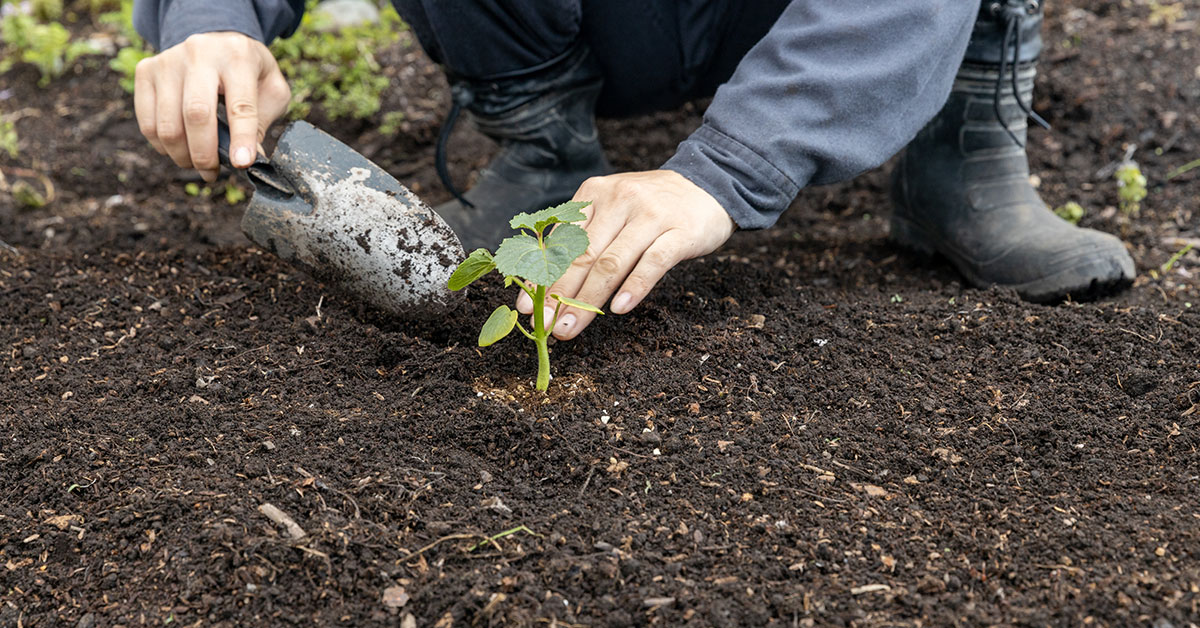

Welcome to the world of okra cultivation in the beautiful state of Rhode Island! If you’re an avid gardener or simply looking to try your hand at growing this versatile and nutritious vegetable, you’ve come to the right place. Okra, scientifically known as Abelmoschus esculentus, is a warm-season crop that thrives in hot and humid climates. However, with the right timing and a few tricks up your sleeve, you can successfully grow okra even in the cooler climate of Rhode Island. In this article, we will delve into the optimal time to plant okra in Rhode Island, taking into consideration the local weather patterns, frost dates, and other key factors that will help you maximize your harvest and enjoy a bountiful supply of this delectable vegetable.
Best okra varieties to grow in Rhode Island
In Rhode Island, it is important to choose okra varieties that have a shorter growing season and can tolerate cooler temperatures. Here are a few varieties that are known to perform well in Rhode Island:
- Clemson Spineless: This is a popular variety that is well-suited for cooler climates. It produces tender pods and has a relatively short growing season of around 55-60 days.
- Emerald: This variety is known for its dark green pods and excellent flavor. It has a slightly longer growing season of around 60-65 days but can still be successfully grown in Rhode Island.
- Annie Oakley II: This variety is a compact bush type that is ideal for smaller gardens or containers. It has a shorter growing season of around 50-55 days and produces good yields of tender pods.
- Burgundy: If you’re looking for something a bit different, Burgundy okra is a unique variety with deep red pods. It has a similar growing season to Clemson Spineless, around 55-60 days.
Remember to provide your okra plants with full sun exposure, well-draining soil, and regular watering to ensure optimal growth and yield.
When to plant okra in Rhode Island
In Rhode Island, the best time to plant okra varies slightly depending on the hardiness zone. Rhode Island is divided into three hardiness zones: 6a, 6b, and 7a. Here are the recommended planting times for each zone:
- Zone 6a: The average annual minimum temperature in this zone ranges from -10°F to -5°F (-23°C to -21°C). For Zone 6a, it is best to start okra seeds indoors about 4-6 weeks before the last expected frost date, which is typically around mid-April. Once the danger of frost has passed and the soil has warmed up, usually around mid-May, you can transplant the seedlings outdoors.
- Zone 6b: This zone experiences slightly milder winters, with average annual minimum temperatures ranging from -5°F to 0°F (-21°C to -18°C). In Zone 6b, you can start okra seeds indoors around 3-4 weeks before the last expected frost date, which is generally in mid-April. Transplant the seedlings outdoors after the threat of frost has passed and the soil has warmed up, typically in mid-May.
- Zone 7a: This zone has even milder winters, with average annual minimum temperatures ranging from 0°F to 5°F (-18°C to -15°C). For Zone 7a, you can start okra seeds indoors about 2-3 weeks before the last expected frost date, which falls around mid-April. Once the danger of frost has passed and the soil has warmed up, usually in mid-May, you can transplant the seedlings outdoors.
It’s important to note that these are general guidelines, and local weather conditions can vary from year to year. Monitoring the weather and soil temperature is crucial for successful okra planting. Additionally, okra thrives in warm weather, so ensure that the soil temperature is consistently above 60°F (15°C) before transplanting the seedlings outdoors.
How to grow okra in Rhode Island
Growing okra requires careful planning and attention to detail. Here are the steps and considerations to keep in mind:
- Climate: Okra thrives in warm climates with temperatures between 75-95°F (24-35°C). It requires at least 6-8 hours of direct sunlight daily.
- Soil preparation: Choose a well-draining soil with a pH level between 6.0-6.8. Amend the soil with organic matter, such as compost or aged manure, to improve fertility and drainage.
- Planting time: Okra is a warm-season crop that should be planted after the last frost date in your area. Soil temperatures should be around 65°F (18°C) for optimal germination.
- Seed selection: Choose high-quality okra seeds from a reputable source. Popular varieties include Clemson Spineless, Emerald, and Annie Oakley II.
- Seed starting: Start okra seeds indoors 4-6 weeks before the last frost date or sow them directly in the garden once the soil has warmed up. Plant the seeds ½ to 1 inch deep, spacing them 12-18 inches apart.
- Watering: Okra requires regular watering, especially during dry spells. Keep the soil consistently moist but not waterlogged. Avoid overhead watering to prevent fungal diseases.
- Fertilization: Apply a balanced organic fertilizer or compost before planting. Side-dress with additional fertilizer when the plants are about 12-18 inches tall.
- Mulching: Apply a layer of organic mulch, such as straw or wood chips, around the base of the plants to conserve moisture, suppress weeds, and regulate soil temperature.
- Pruning: Okra plants can grow quite tall, reaching heights of 4-6 feet. To encourage bushier growth, pinch off the top of the main stem when the plant is around 12 inches tall.
- Pest and disease control: Monitor your okra plants regularly for pests like aphids, flea beetles, and caterpillars. Use organic pest control methods, such as handpicking or spraying with insecticidal soap. Common diseases include powdery mildew and root rot, which can be prevented by maintaining good air circulation and avoiding overwatering.
- Harvesting: Okra pods are ready to harvest when they are 2-4 inches long and still tender. Harvest every 2-3 days to prevent the pods from becoming tough and fibrous. Use a sharp knife or pruners to cut the pods from the plant.
By following these steps and considerations, you can successfully grow okra and enjoy a bountiful harvest.
When to harvest okra
In Rhode Island, okra is typically grown as an annual plant during the warm summer months. The ideal time to start picking okra in Rhode Island is when the pods are about 2-3 inches long. This usually occurs around 50-60 days after planting, depending on the variety and growing conditions. It’s important to regularly check the plants for mature pods as they can quickly become tough and fibrous if left on the plant for too long. Harvesting okra regularly, every 2-3 days, encourages the plant to produce more pods.
Common okra problems and fixes
Common problems when growing okra include pests, diseases, and environmental issues. Here are some common problems and their fixes:
- Aphids: These small insects can suck the sap from okra plants, causing stunted growth and yellowing leaves. To control aphids, you can spray the plants with a strong stream of water to dislodge them or use insecticidal soap or neem oil.
- Flea beetles: These tiny beetles chew small holes in the leaves of okra plants. To control flea beetles, you can use floating row covers to physically exclude them or apply an organic insecticide containing spinosad.
- Powdery mildew: This fungal disease appears as a white powdery coating on the leaves, causing them to wither and die. To prevent powdery mildew, ensure proper air circulation around the plants by spacing them adequately. If powdery mildew occurs, you can apply a fungicide containing sulfur or neem oil.
- Root rot: Overwatering or poorly drained soil can lead to root rot, causing the plant to wilt and die. To prevent root rot, ensure that the soil is well-drained and avoid overwatering. If root rot occurs, it is difficult to save the plant, so prevention is key.
- Lack of pollination: Okra flowers require pollination to produce pods. If you notice poor pod development, it may be due to a lack of pollinators. To attract pollinators, plant flowers nearby or manually pollinate the flowers by gently transferring pollen from one flower to another using a small brush.
- Heat stress: Okra is a warm-season crop, but extreme heat can cause stress and reduce fruit production. To mitigate heat stress, provide shade during the hottest part of the day using shade cloth or plant taller crops nearby to provide some relief.
Remember to regularly inspect your okra plants for any signs of pests or diseases and take prompt action to prevent further damage.