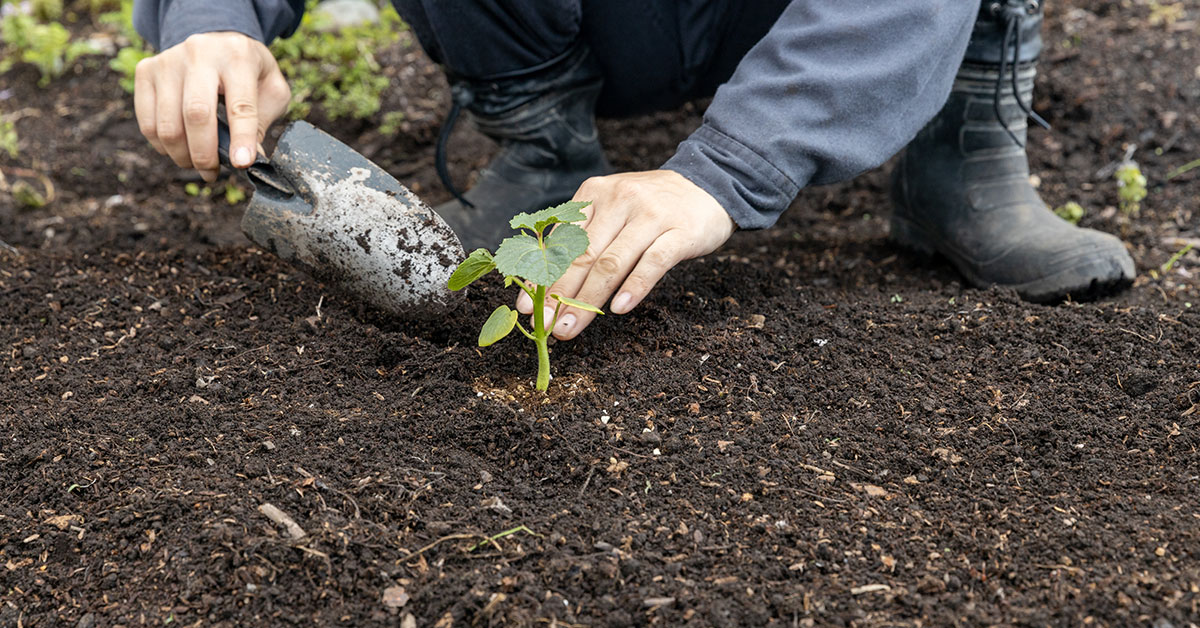

Pennsylvania, with its diverse climate and rich agricultural heritage, offers an ideal environment for cultivating a wide range of crops. Among these, okra stands out as a versatile and rewarding addition to any garden. Known for its vibrant green pods and distinctive flavor, okra thrives in warm temperatures and requires careful consideration when it comes to planting timing. In this comprehensive guide, we will explore the optimal time to plant okra in Pennsylvania, taking into account the state’s unique climate zones, frost dates, and key factors that influence successful growth.
Whether you’re a seasoned gardener or a beginner looking to embark on an okra-growing adventure, this article will equip you with the knowledge and insights needed to maximize your okra harvest in the Keystone State.
Best okra varieties to grow in Pennsylvania
In Pennsylvania, the best okra varieties to grow are those that have a shorter growing season and can tolerate cooler temperatures. Here are a few varieties that are well-suited for Pennsylvania’s climate:
- Clemson Spineless: This is a popular variety known for its high yields and disease resistance. It matures in around 55-60 days and produces tender, spineless pods.
- Emerald: This variety is known for its dark green pods and excellent flavor. It matures in around 55-60 days and is a good choice for cooler climates.
- Annie Oakley II: This variety is a compact plant that produces tender, spineless pods. It matures in around 50-55 days and is well-suited for smaller gardens or containers.
- Jambalaya: This variety is known for its early maturity and high yields. It produces spineless pods and matures in around 50-55 days.
- Cajun Delight: This variety is a good choice for cooler climates as it has a shorter growing season of around 50-55 days. It produces tender, spineless pods.
Remember to provide your okra plants with full sun exposure and well-drained soil. It’s also important to start seeds indoors or transplant seedlings after the last frost date in your area.
When to plant okra in Pennsylvania
In Pennsylvania, the best time to plant okra varies slightly depending on the hardiness zone. Okra is a warm-season crop that thrives in hot temperatures, so it’s important to wait until the soil has warmed up before planting. Here are the recommended planting times for each hardiness zone in Pennsylvania:
- Zone 5: In Zone 5, which covers most of northern Pennsylvania, the average last frost date is around mid-May. It is advisable to wait until after the last frost to plant okra. Planting okra seeds directly in the garden around late May or early June is recommended.
- Zone 6: Zone 6 covers the central part of Pennsylvania, including cities like Harrisburg and State College. The average last frost date in this zone is typically in mid-April. You can start planting okra seeds directly in the garden around late April or early May, after the last frost has passed.
- Zone 7: Zone 7 covers the southeastern part of Pennsylvania, including Philadelphia and surrounding areas. The average last frost date in this zone is usually in early April. You can start planting okra seeds directly in the garden around mid-April, after the last frost has passed.
It’s important to note that these are general guidelines, and weather patterns can vary from year to year. Monitoring local weather conditions and soil temperature is crucial for successful okra planting. Additionally, using season extenders like row covers or starting okra seeds indoors a few weeks before the recommended planting dates can help you get a head start on the growing season.
How to grow okra in Pennsylvania
Growing okra requires careful planning and attention to certain steps and considerations. Here are the key steps to successfully grow okra:
- Climate and Timing: Okra thrives in warm climates with temperatures between 70-90°F (21-32°C). It is a heat-loving plant, so ensure that the soil temperature is consistently above 60°F (15°C) before planting. Okra is typically grown as an annual crop, so choose a time to plant when the danger of frost has passed and the soil has warmed up.
- Soil Preparation: Okra prefers well-draining soil with a pH level of 6.0-6.8. Before planting, prepare the soil by removing any weeds, rocks, or debris. Incorporate organic matter, such as compost or well-rotted manure, to improve soil fertility and drainage.
- Planting: Sow okra seeds directly into the garden bed, as they do not transplant well. Plant the seeds about ½ to 1 inch deep and space them 12-18 inches apart. Leave 3-4 feet of space between rows to allow for proper growth and air circulation.
- Watering: Okra requires regular watering, especially during dry spells. Water deeply, providing about 1 inch of water per week. Avoid overwatering, as it can lead to root rot. Mulching around the plants helps retain moisture and suppresses weed growth.
- Fertilization: Okra is a heavy feeder, so it benefits from regular fertilization. Before planting, incorporate a balanced organic fertilizer into the soil. Side-dress the plants with compost or a nitrogen-rich fertilizer every 4-6 weeks during the growing season.
- Pruning and Support: Okra plants can grow tall and become top-heavy, so providing support can prevent them from falling over. Stake or cage the plants to keep them upright. Additionally, pruning the lower leaves and branches can improve air circulation and reduce the risk of disease.
- Pest and Disease Control: Common pests that affect okra include aphids, flea beetles, and stink bugs. Monitor the plants regularly and use organic pest control methods, such as insecticidal soap or neem oil, if necessary. Okra is generally resistant to many diseases, but keep an eye out for fungal diseases like powdery mildew. Proper spacing, good air circulation, and avoiding overhead watering can help prevent disease issues.
- Harvesting: Okra pods are ready to harvest when they reach 2-4 inches in length, usually within 50-60 days after planting. Harvest the pods every 2-3 days to ensure they are tender and not overly mature. Use a sharp knife or pruners to cut the pods from the plant, being careful not to damage the stem or other pods.
By following these steps and considerations, you can successfully grow healthy and productive okra plants in your garden.
When to harvest okra
In Pennsylvania, okra is typically ready to be picked from mid to late summer, usually around 60 to 70 days after planting. The exact timing can vary depending on the specific variety of okra you are growing and the weather conditions in your area. It is important to monitor the plants closely and harvest the pods when they are young and tender, around 2 to 4 inches in length. Waiting too long to harvest can result in tough and fibrous okra pods.
Common okra problems and fixes
Common problems when growing okra include:
- Poor germination: Okra seeds may have a low germination rate. To improve germination, soak the seeds in water overnight before planting. Plant them in warm soil (around 70-90°F) and keep the soil consistently moist until germination occurs.
- Pests: Okra can be susceptible to pests such as aphids, flea beetles, and stink bugs. Regularly inspect your plants for signs of infestation, like yellowing leaves or holes in the leaves. Use organic insecticidal soap or neem oil to control pests. Introducing beneficial insects like ladybugs or lacewings can also help control pest populations.
- Diseases: Okra can be affected by diseases like powdery mildew, root rot, and bacterial leaf spot. To prevent diseases, provide adequate spacing between plants for good air circulation. Avoid overhead watering, as wet foliage can promote disease development. If necessary, treat with appropriate organic fungicides or bactericides.
- Nutrient deficiencies: Okra plants require a balanced supply of nutrients to grow well. Common deficiencies include nitrogen, phosphorus, and potassium. Regularly fertilize your plants with a balanced organic fertilizer or compost to ensure they receive adequate nutrients.
- Heat stress: Okra thrives in hot weather, but extreme heat can cause stress and reduce fruit production. Provide shade during the hottest part of the day, mulch around the base of the plants to conserve moisture, and water deeply to help plants cope with heat stress.
- Lack of pollination: Okra flowers require pollination to produce fruit. If there is a lack of pollinators in your area, you can hand-pollinate the flowers by using a small brush or gently shaking the plants to transfer pollen between flowers.
- Overcrowding: Planting okra too closely together can lead to competition for nutrients, reduced air circulation, and increased disease susceptibility. Space plants at least 12-18 inches apart to allow for proper growth and development.
By addressing these common problems, you can increase your chances of successfully growing healthy and productive okra plants.