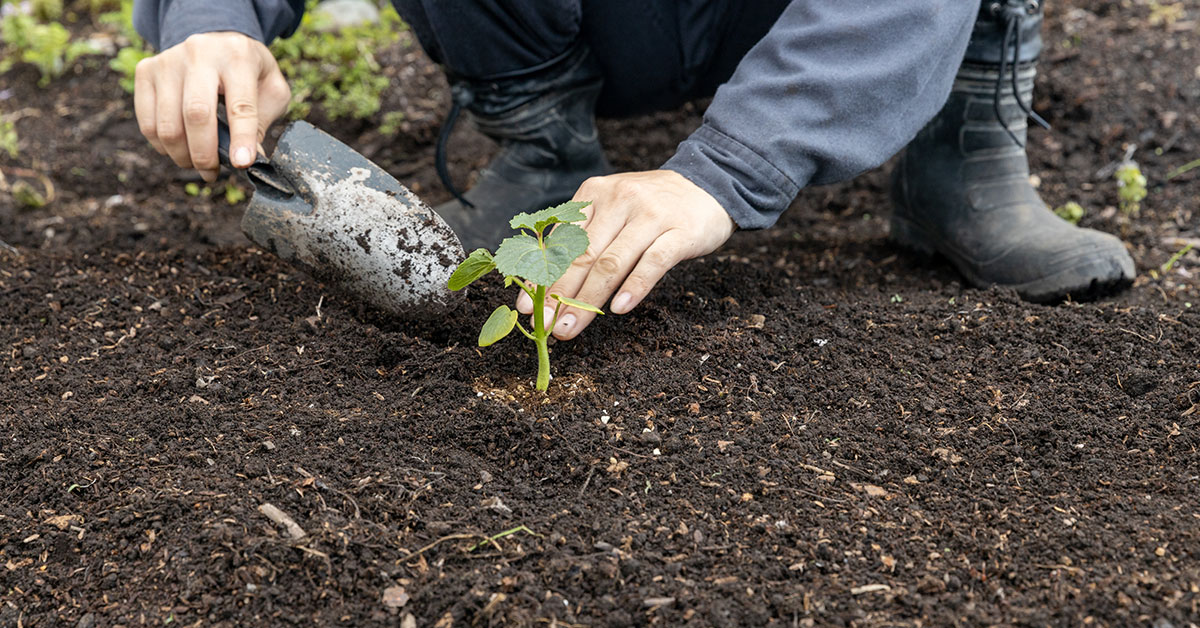

Welcome to the world of growing okra in North Dakota! While this warm-season vegetable is typically associated with southern regions, it is indeed possible to cultivate this delicious and nutritious plant in the cooler climate of North Dakota. However, successful okra cultivation in this region requires careful consideration of the unique growing conditions and selecting the appropriate planting time. In this article, we will delve into the factors influencing the planting schedule for okra in North Dakota, providing you with valuable insights and practical tips to ensure a bountiful harvest of this versatile vegetable.
Whether you are a seasoned gardener or a beginner, this comprehensive guide will equip you with the knowledge needed to successfully grow okra in the beautiful state of North Dakota.
Best okra varieties to grow in North Dakota
Okra is a warm-season crop that thrives in hot and humid climates. North Dakota has a relatively short growing season and cooler temperatures, which can make it challenging to grow okra successfully. However, there are a few varieties that are more suitable for growing in North Dakota:
- Clemson Spineless: This is a popular okra variety that is known for its productivity and disease resistance. It matures relatively quickly, usually within 55-60 days, making it a good choice for shorter growing seasons.
- Burgundy: This variety is unique because it produces deep red pods instead of the traditional green ones. Burgundy okra is known for its ornamental value and can add a pop of color to your garden. It typically matures in around 60-70 days.
- Annie Oakley II: This variety is specifically bred for cooler climates and has shown good adaptability in northern regions. It produces tender, spineless pods and usually matures within 55-60 days.
It’s important to note that even with these varieties, you may need to provide additional protection and create a microclimate to extend the growing season. Consider using row covers, black plastic mulch, or planting in raised beds to help warm the soil and create a more favorable environment for okra growth.
When to plant okra in North Dakota
In North Dakota, the best time to plant okra varies depending on the hardiness zone. North Dakota is divided into four hardiness zones: Zone 3, Zone 4, Zone 5, and Zone 6. Here are the recommended planting times for each zone:
- Zone 3: In this zone, which covers the northernmost parts of the state, the average annual minimum temperature ranges from -40°F to -30°F (-40°C to -34°C). Due to the short growing season, it is best to start okra indoors about 6-8 weeks before the last expected frost date, which is typically around mid to late May. Transplant the seedlings outdoors once the soil has warmed up and all danger of frost has passed, usually around early to mid-June.
- Zone 4: This zone covers most of North Dakota, where the average annual minimum temperature ranges from -30°F to -20°F (-34°C to -29°C). Similar to Zone 3, it is recommended to start okra indoors 6-8 weeks before the last expected frost date, which is typically around mid to late May. Transplant the seedlings outdoors once the soil has warmed up and all danger of frost has passed, usually around late May to early June.
- Zone 5: This zone covers parts of southeastern North Dakota, where the average annual minimum temperature ranges from -20°F to -10°F (-29°C to -23°C). In Zone 5, you can start okra indoors 4-6 weeks before the last expected frost date, which is typically around mid to late May. Transplant the seedlings outdoors once the soil has warmed up and all danger of frost has passed, usually around late May to early June.
- Zone 6: This zone covers the southeasternmost parts of North Dakota, where the average annual minimum temperature ranges from -10°F to 0°F (-23°C to -18°C). In Zone 6, you can start okra indoors 2-4 weeks before the last expected frost date, which is typically around mid to late May. Transplant the seedlings outdoors once the soil has warmed up and all danger of frost has passed, usually around late May to early June.
It’s important to note that these are general guidelines, and local weather conditions can vary from year to year. Monitoring the weather and soil temperature in your specific area will help you determine the best time to plant okra.
How to grow okra in North Dakota
Growing okra requires careful planning and attention to detail. Here are the steps and considerations for successfully growing okra:
Climate and Soil Requirements:
- Okra thrives in warm climates with temperatures between 75-90°F (24-32°C).
- Choose a sunny location with well-draining soil. Okra prefers loamy soil with a pH level of 6.0-6.8.
Seed Selection and Planting:
- Select high-quality okra seeds from a reputable source.
- Start seeds indoors 4-6 weeks before the last frost date or sow them directly in the garden once the soil has warmed up.
- Plant seeds 1 inch deep and 2-3 feet apart, leaving 3-4 feet between rows.
Watering:
- Okra requires consistent moisture, especially during dry periods.
- Water deeply once or twice a week, providing around 1 inch of water per week.
- Avoid overhead watering to prevent fungal diseases. Water at the base of the plant.
Fertilization:
- Before planting, amend the soil with compost or well-rotted manure to improve fertility.
- Apply a balanced fertilizer (such as 10-10-10) at planting time and again when the plants are about 12 inches tall.
- Avoid excessive nitrogen fertilization, as it can lead to excessive foliage growth and reduced fruit production.
Mulching and Weed Control:
- Apply a layer of organic mulch around the plants to conserve moisture, suppress weed growth, and maintain soil temperature.
- Regularly weed the area around the plants to prevent competition for nutrients and water.
Support and Pruning:
- Okra plants can grow tall and may require support. Stake or cage the plants to prevent them from falling over during heavy winds or when laden with fruit.
- Prune the lower leaves and branches to improve air circulation and reduce the risk of disease.
By following these steps and considerations, you can successfully grow and enjoy a bountiful harvest of okra.
When to harvest okra in North Dakota
In North Dakota, the climate is generally not ideal for growing okra due to its preference for warm and humid conditions. However, if you still want to attempt growing okra in North Dakota, it is important to choose early-maturing varieties and provide optimal growing conditions.
Okra plants typically require a long growing season of around 60 to 80 days to reach maturity. In North Dakota, where the growing season is relatively short, it is recommended to start okra seeds indoors 4-6 weeks before the last expected frost date. This will give the plants a head start and allow them to grow and develop before transplanting them outdoors.
Once the danger of frost has passed and the soil temperature has warmed up to around 65°F (18°C), you can transplant the okra seedlings into your garden. Be sure to choose a sunny location with well-draining soil.
Okra pods are usually ready to be harvested when they reach around 2-4 inches in length. It is important to check the plants regularly, as the pods can become tough and fibrous if left on the plant for too long. Harvesting okra frequently, every 2-3 days, will encourage the plant to produce more pods.
Given the challenging climate in North Dakota, it is crucial to monitor the weather conditions and be prepared to protect the plants from cold temperatures, especially during the early and late parts of the growing season. Using row covers or other protective measures can help extend the growing season and increase the chances of a successful okra harvest.
Common okra problems and fixes
Common problems when growing okra include:
- Poor germination: Okra seeds may have a low germination rate. To improve germination, soak the seeds in water overnight before planting. Plant them in well-draining soil and keep the soil consistently moist until germination occurs.
- Pests: Okra can be susceptible to pests such as aphids, flea beetles, and caterpillars. Regularly inspect your plants for signs of pests and use organic insecticides or insecticidal soaps to control them. Encourage beneficial insects like ladybugs and lacewings to help control pest populations naturally.
- Diseases: Okra can be affected by diseases like powdery mildew, root rot, and bacterial wilt. To prevent diseases, avoid overwatering and ensure proper drainage. Plant disease-resistant varieties, rotate crops, and remove and destroy infected plants to prevent the spread of diseases.
- Nutrient deficiencies: Okra plants require a balanced supply of nutrients for healthy growth. Common nutrient deficiencies include nitrogen, phosphorus, and potassium. Use a balanced organic fertilizer or compost to provide essential nutrients to the soil. Regularly monitor the plants for any signs of nutrient deficiencies and adjust fertilization accordingly.
- Heat stress: Okra thrives in warm climates, but excessive heat can cause stress and reduce productivity. Provide shade during the hottest part of the day, mulch around the plants to conserve moisture, and water deeply and regularly to help the plants cope with high temperatures.
- Improper spacing: Okra plants need adequate space for air circulation and to prevent overcrowding. Plant them at least 12-18 inches apart to allow proper growth and prevent the spread of diseases.
Remember to regularly monitor your okra plants for any signs of problems and take prompt action to address them.