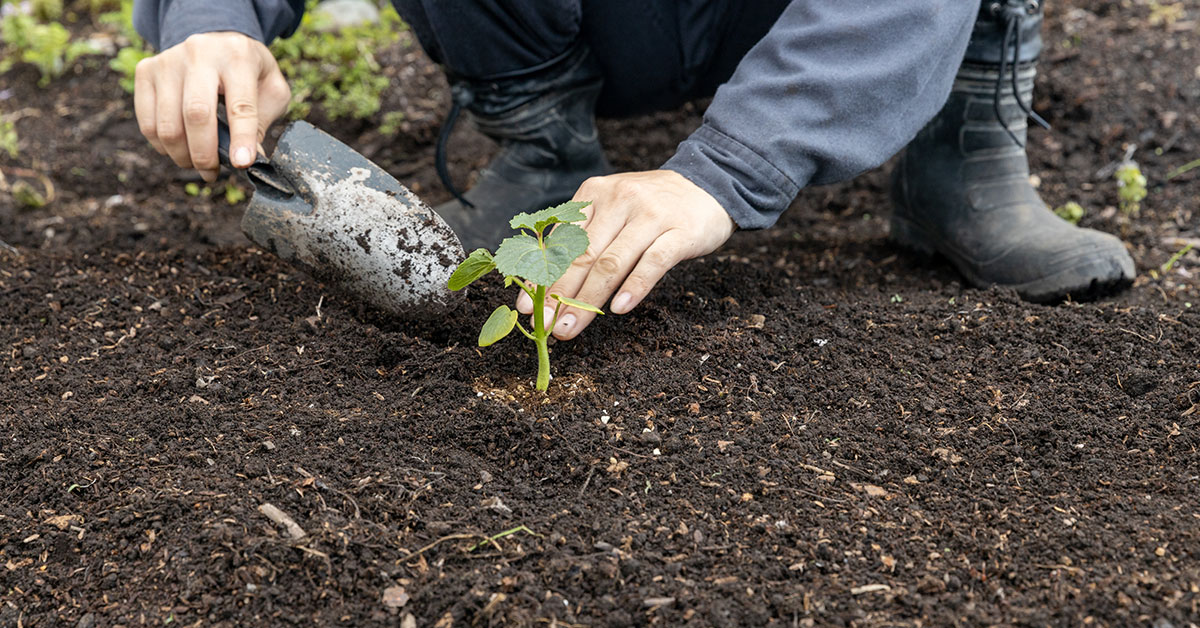

Welcome to the world of gardening in New Zealand! If you’re a fan of exotic vegetables and are looking to add a touch of diversity to your garden, then planting okra might just be the perfect choice. Okra, also known as lady’s fingers, is a warm-season crop that thrives in tropical and subtropical climates. In this article, we will guide you through the process of determining the best time to plant okra in New Zealand, taking into consideration the country’s diverse climate zones and the specific requirements of this heat-loving plant.
So, get ready to embark on a journey of growing your own okra and enjoy its delicious pods in your summer meals!
Best varieties of Okra to grow in New Zealand
In New Zealand, the climate is generally mild, with warm summers and cool winters. Okra, being a warm-season crop, requires a long, hot growing season to thrive. However, with careful selection of suitable varieties and some additional protection, it is possible to grow okra successfully in New Zealand. Here are a few varieties that are known to perform well in New Zealand conditions:
- Clemson Spineless: This is a popular variety that produces high yields of tender, spineless pods. It is known for its heat tolerance and disease resistance, making it a good choice for New Zealand gardens.
- Burgundy: This variety is unique for its deep red pods, which can add a splash of color to your garden. It has good heat tolerance and can be grown successfully in New Zealand, although it may require some additional protection during cooler periods.
- Annie Oakley II: This variety is known for its early maturity and high productivity. It produces tender, green pods and is well-suited for New Zealand’s shorter growing season.
- Emerald: Emerald is a compact variety that is well-adapted to container gardening. It produces dark green pods and is relatively heat-tolerant, making it a good choice for New Zealand gardens.
When growing okra in New Zealand, it is important to provide the plants with full sun, well-draining soil, and regular watering. Additionally, using mulch around the plants can help to retain moisture and regulate soil temperature. Okra plants may benefit from the use of cloches or row covers to provide additional warmth and protection during cooler periods.
When to plant Okra in New Zealand
The best time to plant Okra in New Zealand is during the warmer months, typically from late spring to early summer. Okra is a warm-season crop that requires a minimum soil temperature of around 20°C (68°F) for successful germination and growth. In New Zealand, this temperature is usually reached in November or December.
It is important to note that Okra is a heat-loving plant and does not tolerate frost or cold temperatures. Therefore, it is recommended to wait until the risk of frost has passed and the soil has warmed up before planting Okra outdoors. In colder regions, you may need to start Okra seeds indoors in pots or trays a few weeks earlier and transplant them outside once the weather has warmed up.
Ensure that you choose a sunny and sheltered spot in your garden with well-draining soil for planting Okra. Regular watering and providing some protection from strong winds will also help the plants thrive.
When to harvest Okra in New Zealand
In New Zealand, Okra should be harvested when the pods are young and tender, typically around 2-3 inches in length. It is important to regularly check the plants for mature pods as they can quickly become tough and fibrous if left on the plant for too long. Harvesting should be done every 2-3 days during the peak growing season, which is usually from late spring to early autumn. It is best to harvest Okra in the morning when the pods are still cool and crisp.
Other considerations
When growing okra in New Zealand, there are a few important considerations to keep in mind:
- Climate: Okra is a warm-season crop that requires a long, hot growing season. It thrives in areas with temperatures between 25-35°C (77-95°F). In New Zealand, it is best to grow okra in regions with a mild to warm climate, such as Northland, Auckland, Bay of Plenty, and parts of Waikato.
- Soil: Okra prefers well-draining soil with a pH level between 6.0 and 6.8. It is important to prepare the soil by adding organic matter, such as compost or well-rotted manure, to improve fertility and drainage. Avoid heavy clay soils that can become waterlogged.
- Sunlight: Okra requires full sun exposure for at least 6-8 hours a day. Choose a sunny spot in your garden that receives ample sunlight throughout the day.
- Watering: Okra plants need regular watering, especially during dry periods. Keep the soil consistently moist but not waterlogged. Avoid overhead watering as it can increase the risk of fungal diseases. Instead, water at the base of the plant to keep the foliage dry.
- Planting: Okra seeds can be sown directly into the garden once the soil has warmed up in spring. Plant the seeds about 2-3 cm deep and space them 30-45 cm apart. Thin out the seedlings to allow proper spacing for growth. Alternatively, you can start seeds indoors 4-6 weeks before the last frost date and transplant the seedlings once the soil is warm.
- Mulching: Apply a layer of organic mulch around the base of the okra plants to help retain moisture, suppress weed growth, and regulate soil temperature. Straw, wood chips, or compost can be used as mulch.
- Fertilizing: Okra is a heavy feeder and benefits from regular fertilization. Prior to planting, incorporate a balanced organic fertilizer into the soil. Additionally, side-dress the plants with compost or a nitrogen-rich fertilizer every 4-6 weeks during the growing season.
- Pests and diseases: Okra is generally resistant to most pests and diseases. However, keep an eye out for common garden pests like aphids, caterpillars, and whiteflies. Regularly inspect the plants and take appropriate measures, such as handpicking or using organic insecticides, if necessary.
By considering these factors, you can successfully grow okra in New Zealand and enjoy a bountiful harvest.