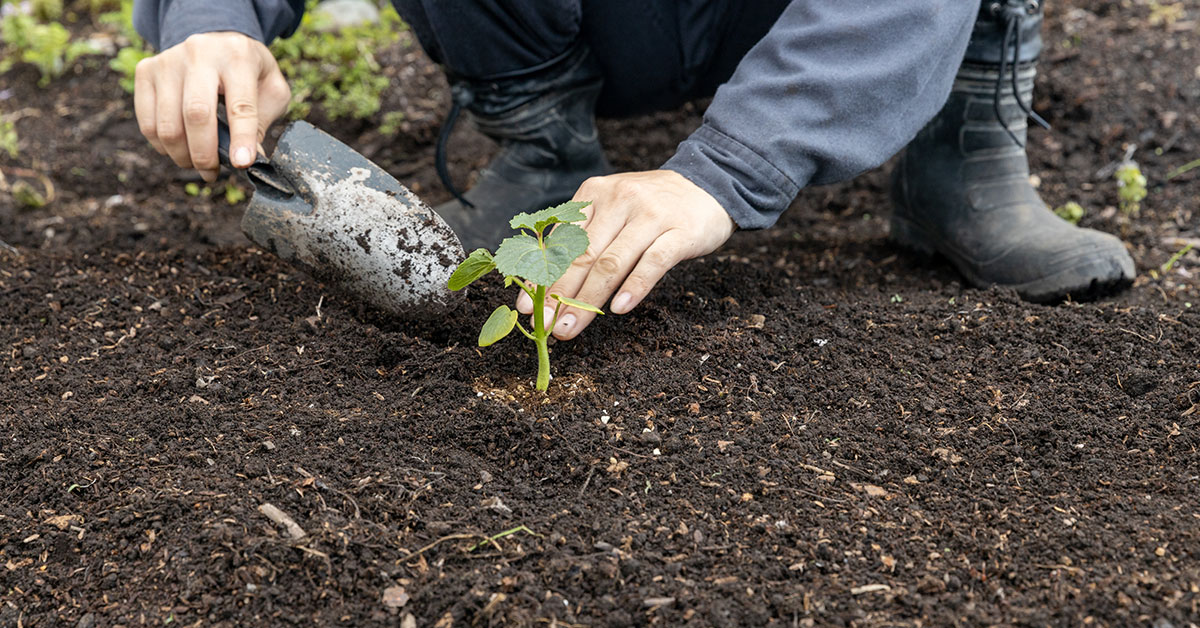

Welcome to the world of okra cultivation in the beautiful state of New Jersey! If you’re an avid gardener or simply someone with a green thumb looking to expand their vegetable repertoire, growing okra can be an exciting and rewarding experience. Known for its vibrant green pods and deliciously unique flavor, okra thrives in warm climates, making New Jersey’s summer months the perfect time to get started. In this article, we will delve into the specifics of when to plant okra in New Jersey, taking into account the state’s climate, soil conditions, and the ideal timing to ensure a bountiful harvest.
Best okra varieties to grow in New Jersey
In New Jersey, it is best to choose okra varieties that have a shorter growing season and are more tolerant to cooler temperatures. Here are a few varieties that tend to perform well in New Jersey:
- Clemson Spineless: This is a popular variety known for its high yields and disease resistance. It matures in around 55-60 days and produces tender, spineless pods.
- Annie Oakley II: This variety is well-suited for cooler climates and has a shorter growing season of around 50-55 days. It produces dark green, spineless pods.
- Cajun Delight: This variety is known for its excellent flavor and productivity. It matures in approximately 55-60 days and produces tender, green pods.
- Emerald: This variety is a good choice for New Jersey as it has a shorter growing season of around 50-55 days. It produces dark green, spineless pods that are tender and flavorful.
- Jambalaya: This variety is a compact and early-maturing okra, usually ready for harvest in about 50-55 days. It produces spineless, green pods that are great for cooking.
Remember to consider your specific microclimate, soil conditions, and personal preferences when selecting an okra variety. It’s also a good idea to consult with local nurseries or experienced gardeners in your area for more specific recommendations.
When to plant okra in New Jersey
In New Jersey, the best time to plant okra depends on the hardiness zone you are in. New Jersey is divided into four hardiness zones: Zone 6, Zone 7, Zone 8, and Zone 9. Here are the recommended planting times for each zone:
- Zone 6: The average last frost date in Zone 6 is around April 15th. It is best to wait until after the last frost to plant okra. You can start seeds indoors 4-6 weeks before the last frost date, or directly sow seeds in the garden around mid-April to early May.
- Zone 7: In Zone 7, the average last frost date is around April 15th as well. You can follow the same planting schedule as Zone 6, starting seeds indoors 4-6 weeks before the last frost or directly sowing seeds in mid-April to early May.
- Zone 8: The average last frost date in Zone 8 is around March 15th. Okra can be planted earlier in this zone. You can start seeds indoors 6-8 weeks before the last frost date or directly sow seeds in early to mid-March.
- Zone 9: In Zone 9, the average last frost date is around February 15th. Okra can be planted even earlier in this zone. You can start seeds indoors 8-10 weeks before the last frost date or directly sow seeds in late January to early February.
It’s important to note that these are general guidelines, and weather conditions can vary each year. Keep an eye on the weather forecast and adjust your planting schedule accordingly. Additionally, okra thrives in warm soil temperatures, so make sure the soil has warmed up to at least 65°F (18°C) before planting.
How to grow okra in New Jersey
Growing okra requires careful planning and attention to specific steps and considerations. Here are the key steps to successfully grow okra:
- Climate and Timing: Okra thrives in warm climates with temperatures between 75-90°F (24-32°C). It is a heat-loving plant, so make sure to plant it after the last frost date in your area.
- Soil Preparation: Okra prefers well-draining soil with a pH level between 6.0 and 6.8. Prepare the soil by adding organic matter, such as compost or aged manure, to improve its fertility and drainage.
- Seed Selection: Choose high-quality okra seeds from a reputable source. There are various okra varieties available, so select one that suits your climate and preferences. Popular varieties include Clemson Spineless, Emerald, and Annie Oakley II.
- Planting: Sow okra seeds directly into the garden bed, as they do not transplant well. Plant the seeds about 1 inch deep and 12-18 inches apart, leaving 3-4 feet between rows. Ensure the soil is consistently moist until germination occurs, usually within 7-14 days.
- Watering: Okra requires regular watering, especially during dry spells. Aim to keep the soil evenly moist, but avoid overwatering, as it can lead to root rot. Water at the base of the plant to prevent fungal diseases.
- Fertilization: Okra is a heavy feeder, so it benefits from regular fertilization. Apply a balanced organic fertilizer or compost every 4-6 weeks throughout the growing season. Avoid excessive nitrogen fertilizers, as they can promote leafy growth at the expense of fruit production.
- Mulching: Apply a layer of organic mulch, such as straw or wood chips, around the base of the plants. Mulching helps retain soil moisture, suppresses weed growth, and regulates soil temperature.
- Pruning and Support: Okra plants can grow tall, reaching heights of 4-6 feet. Consider staking or providing support to prevent them from falling over during heavy winds or when laden with fruit. Prune any lower branches to improve air circulation and reduce the risk of disease.
- Pest and Disease Management: Common pests that affect okra include aphids, flea beetles, and stink bugs. Monitor your plants regularly and use organic pest control methods, such as handpicking or spraying with insecticidal soap. Fungal diseases like powdery mildew and root rot can be prevented by avoiding overwatering and providing good air circulation.
- Harvesting: Okra pods are ready to harvest when they reach 2-4 inches in length. Harvest every 2-3 days to ensure tender and flavorful pods. Use a sharp knife or pruners to cut the pods from the plant, taking care not to damage the stem.
By following these steps and considering the specific needs of okra, you can enjoy a bountiful harvest of this delicious and nutritious vegetable.
When to harvest okra
In New Jersey, okra is typically ready to be picked from mid to late summer, usually around 60-70 days after planting. The exact timing can vary depending on the specific variety you are growing and the weather conditions in your area. It is important to regularly check your okra plants for mature pods to ensure they are harvested at the right time. Okra pods are usually harvested when they are 2-4 inches long and still tender. If left on the plant for too long, they can become tough and fibrous.
Common okra problems and fixes
Common problems when growing okra include:
- Poor germination: Okra seeds may have a low germination rate. To improve germination, soak the seeds in water overnight before planting. Additionally, ensure that the soil temperature is consistently warm (around 70-90°F) for optimal germination.
- Pests: Okra can be susceptible to pests such as aphids, flea beetles, and caterpillars. To control these pests, regularly inspect the plants and remove any affected leaves or insects manually. You can also use organic insecticidal soaps or neem oil as a natural remedy.
- Diseases: Okra can be prone to diseases like powdery mildew, damping-off, and root rot. To prevent these diseases, ensure proper air circulation by spacing the plants adequately. Avoid overhead watering and water at the base of the plants to prevent fungal growth. If necessary, apply appropriate fungicides as per the instructions.
- Nutrient deficiencies: Okra plants may suffer from nutrient deficiencies, particularly nitrogen. Yellowing leaves and stunted growth are common signs. To address this, apply a balanced fertilizer with a higher nitrogen content. Regularly monitor the plants and adjust fertilization as needed.
- Lack of pollination: Okra flowers require pollination to develop into fruits. If there is a lack of pollinators in your area, you can manually pollinate the flowers by using a small brush or gently shaking the plants to transfer pollen between flowers.
- Excessive heat stress: Okra thrives in warm climates but can suffer from heat stress during extreme temperatures. Provide shade during the hottest part of the day or use mulch to keep the soil cool and retain moisture.
Remember to regularly monitor your okra plants for any signs of problems and take prompt action to address them.