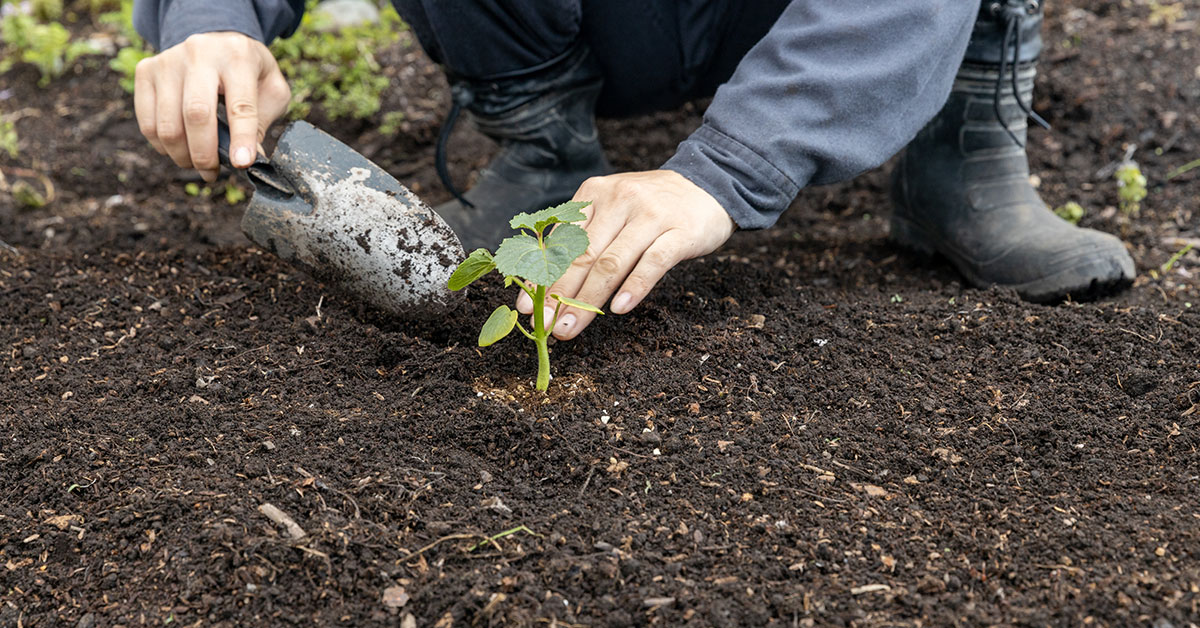

Are you an aspiring gardener in Michigan looking to add some okra to your backyard or vegetable garden? Well, you’re in luck! Okra, a warm-season vegetable known for its delicious taste and versatility in various cuisines, can indeed thrive in the Great Lakes State. However, to ensure a successful harvest, it’s crucial to plant okra in Michigan at the right time.
In this article, we will delve into the best time to plant okra in Michigan, taking into consideration the state’s climate, soil conditions, and growing season. By following these guidelines, you’ll be well on your way to enjoying a bountiful supply of this nutritious and tasty vegetable throughout the summer months. So, grab your gardening tools and let’s explore the optimal time to sow those okra seeds!
Best varieties of Okra to grow in Michigan
In Michigan, some good varieties of okra that are known to perform well include:
- Clemson Spineless: This variety is a popular choice for its tender pods and high yields. It is heat-tolerant and matures in about 55-60 days.
- Emerald: Emerald okra produces dark green, spineless pods that are tender and flavorful. It is a productive variety that matures in approximately 55 days.
- Annie Oakley II: This variety is known for its compact growth habit and early maturity. It produces spineless pods that are tender and delicious. Annie Oakley II typically matures in around 50-55 days.
- Red Burgundy: If you’re looking for a colorful option, Red Burgundy okra is a great choice. This variety produces deep red pods that are tender and flavorful. It typically matures in about 55-60 days.
- Jambalaya: Jambalaya okra is a hybrid variety that is highly productive and disease-resistant. It produces spineless pods that are tender and delicious. It matures in approximately 55-60 days.
Remember to consider your local climate and growing conditions when selecting okra varieties, as some may perform better than others in different regions of Michigan.
When to plant Okra in Michigan
Michigan is divided into several hardiness zones, which provide valuable information for gardeners about the average minimum winter temperatures in different areas. The hardiness zones in Michigan range from Zone 3 in the northern parts of the state to Zone 6 in the southern regions. These zones help gardeners determine which plants are most likely to thrive in their specific area.
When it comes to planting Okra in Michigan, it’s important to consider the state’s relatively short growing season. Okra is a warm-season crop that thrives in temperatures consistently above 50°F (10°C). Therefore, it is typically recommended to wait until after the last frost date in your particular hardiness zone before planting Okra.
In southern Michigan (Zone 6), the last frost date usually falls around mid-April to early May. This is when it is generally safe to start planting Okra outdoors. However, it’s important to monitor the weather conditions and soil temperature before planting, as Okra prefers soil temperatures above 65°F (18°C) for optimal growth.
In the northern parts of Michigan (Zone 3), the last frost date can be as late as mid-May or even early June. Therefore, it is advisable to start Okra seeds indoors about 6-8 weeks before the last frost date. This will give the plants a head start and allow them to grow stronger before being transplanted outdoors when the weather is more favorable.
Regardless of the hardiness zone, Okra requires well-drained soil and plenty of sunlight. It is a relatively heat-tolerant crop, so planting it in an area that receives full sun for at least 6 hours a day is essential. Additionally, providing a layer of organic mulch around the plants can help retain moisture and regulate soil temperature.
By following these guidelines and considering your specific hardiness zone, you can ensure the best chances of success when planting Okra in Michigan.
When to harvest Okra in Michigan
The optimal time to harvest okra in Michigan is typically from late July to early October. Okra plants require warm temperatures to thrive, so it is essential to wait until the soil has warmed up and the threat of frost has passed before planting. Once the plants are established and producing pods, you can start harvesting the okra when the pods are about 2-4 inches long. It’s important to harvest the pods regularly, every 2-3 days, to ensure they are tender and not overripe, as overripe okra can be tough and fibrous.
Other considerations
When growing okra in Michigan, there are a few additional considerations to keep in mind:
- Climate: Okra is a warm-season crop that thrives in hot and humid conditions. Michigan’s climate is relatively cooler and may have shorter summers, so it’s essential to choose okra varieties with shorter maturity dates to ensure a successful harvest. Look for varieties that have around 60 to 70 days to maturity.
- Soil Preparation: Okra prefers well-draining soil rich in organic matter. Before planting, work compost or well-rotted manure into the soil to improve its fertility and drainage. Additionally, ensure that the soil pH is around 6.0 to 6.5, as okra prefers slightly acidic soil.
- Planting Time: Wait until all chances of frost have passed before planting okra in Michigan. Typically, this is around late May or early June. Plant okra seeds directly into the ground, as they do not transplant well due to their sensitive taproot.
- Spacing: Okra plants require adequate space to grow and produce abundant pods. Space the plants about 18 to 24 inches apart in rows that are 3 to 4 feet apart. This spacing allows air circulation, reduces disease pressure, and provides enough room for the plants to bush out.
- Mulching: Apply a layer of organic mulch around the okra plants to help conserve moisture, suppress weeds, and maintain even soil temperatures. Mulching also prevents the soil from drying too quickly, which can lead to stress and reduced yield.
- Watering: Okra plants require regular watering, especially during dry periods. Aim for about 1 inch of water per week, either through rainfall or supplemental irrigation. Water deeply and evenly to encourage strong root development.
- Pest and Disease Management: Keep an eye out for common pests like aphids, flea beetles, and caterpillars. Regularly inspect the plants and use organic pest control methods such as handpicking or spraying with insecticidal soap if necessary. Additionally, be vigilant for diseases such as powdery mildew and bacterial leaf spot. Proper spacing, good airflow, and avoiding overhead watering can help prevent disease issues.
- Harvesting: Okra pods are ready to harvest when they reach around 3 to 4 inches in length. Harvesting regularly promotes continuous pod production. Use a sharp knife or pruning shears to cut the pods from the plant, taking care not to damage the stems or nearby buds.
By considering these factors, you can increase your chances of successfully growing okra in Michigan’s climate. Happy gardening!