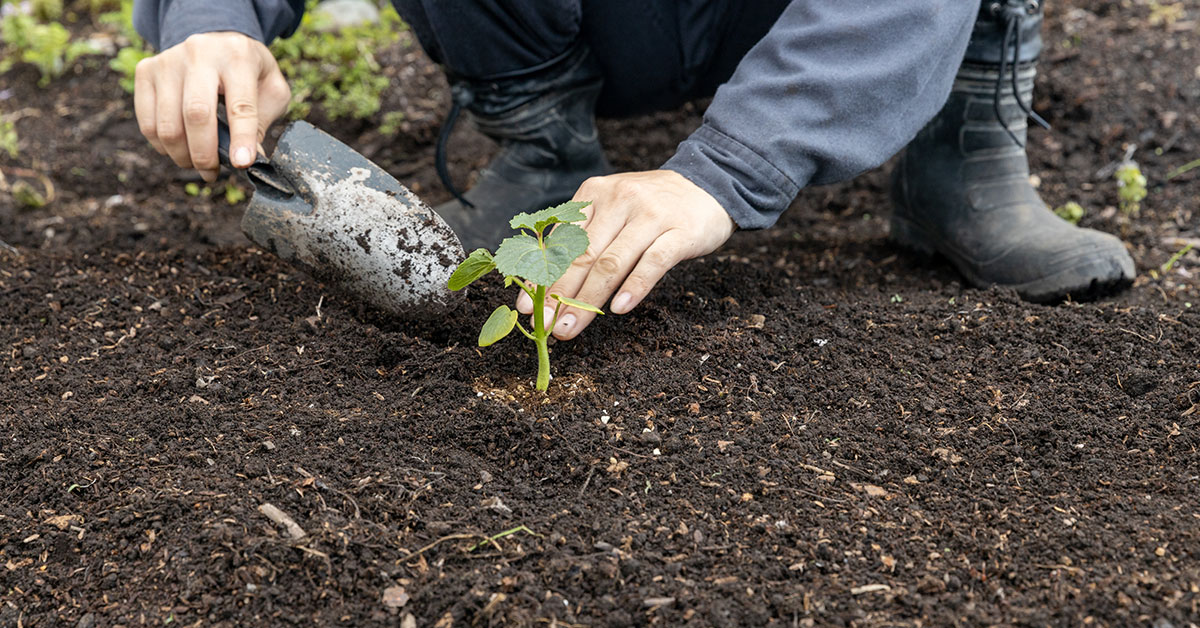

Welcome to the world of gardening in Massachusetts! If you’re a fan of okra and are eager to grow this versatile vegetable in your own backyard, you’ve come to the right place. Okra, known for its vibrant green pods and distinctive flavor, thrives in warm, sunny climates. However, planting okra in Massachusetts requires careful consideration of the region’s unique weather patterns and growing conditions.
In this article, we will guide you through the best time to plant okra in Massachusetts, ensuring a successful and bountiful harvest. Whether you’re a seasoned gardener or a beginner, these tips and insights will help you achieve optimal results and enjoy the taste of homegrown okra all summer long.
Best varieties of Okra to grow in Massachusetts
In Massachusetts, the growing season for okra is relatively short, so it’s important to choose varieties that have a shorter maturity period and are more adapted to cooler climates. Here are some recommended okra varieties for Massachusetts:
- Clemson Spineless: This is a popular variety known for its tender and spineless pods. It has a maturity period of around 55-60 days, making it suitable for shorter growing seasons.
- Burgundy: This variety stands out with its unique deep red pods. It has a maturity period of around 55-60 days and performs well in cooler climates.
- Emerald: Emerald okra is known for its vigorous growth and high yields. It has bright green pods and matures in approximately 50-55 days.
- Annie Oakley II: This variety is known for its compact size, making it suitable for smaller gardens or containers. It has a maturity period of around 50-55 days.
- Louisiana Green Velvet: This okra variety has a shorter maturity period of around 50-55 days. It produces dark green, tender pods and is relatively heat-tolerant.
Remember, it’s important to start okra seeds indoors or use transplants to give them a head start in cooler climates like Massachusetts. Also, be mindful of your planting dates and provide the plants with adequate sunlight, warmth, and regular watering for optimal growth and yield.
When to plant Okra in Massachusetts
In Massachusetts, the hardiness zones range from 5a to 7a, depending on the region. These zones provide valuable information about the climatic conditions of a specific area, including the average minimum winter temperatures. Understanding your hardiness zone is crucial when planning your gardening activities, as it helps determine which plants are most likely to thrive in your region.
When it comes to planting okra in Massachusetts, it is important to consider both the hardiness zone and the local climate. Okra is a warm-season vegetable that requires a long, hot growing season to produce a bountiful harvest. Therefore, it is crucial to wait until after the last frost date before planting okra outdoors.
In Massachusetts, the last frost date varies depending on the region. In general, it is safe to plant okra in Massachusetts in late May or early June, once the soil has warmed up and the risk of frost has passed. However, it is always a good idea to consult a local gardening calendar or contact your county’s agricultural extension office for more precise information about your specific area.
Before planting okra, ensure that the soil temperature has reached at least 65°F (18°C). Okra plants thrive in well-drained soil with a pH level between 6.0 and 6.8. It is advisable to enrich the soil with organic matter, such as compost, to improve its fertility and drainage.
For best results, choose a sunny location for your okra plants, as they require full sun to thrive. The plants should be spaced around 12-18 inches apart, leaving enough room for them to grow and spread. Regular watering is essential, especially during dry spells, to help the plants establish and produce abundant pods.
Harvesting okra can begin around 50-60 days after planting, depending on the variety. It is important to harvest the pods when they are young and tender, as older pods can become tough and fibrous.
To sum up, the best time to plant okra in Massachusetts is after the last frost date, typically in late May or early June. Ensure that the soil temperature has warmed up to at least 65°F and choose a sunny location with well-drained soil. By following these guidelines, you can enjoy a successful okra harvest in your Massachusetts garden.
When to harvest Okra in Massachusetts
In Massachusetts, the optimal time to harvest okra is typically from mid-August to early October. Okra plants require warm temperatures and a long growing season to produce mature pods. It is important to wait until the pods are fully developed and reach a length of 3-4 inches before harvesting. Harvesting okra regularly, every 2-3 days, encourages continuous production. It’s also important to note that if there is a threat of frost in the forecast, it’s best to harvest all the remaining okra pods before the frost arrives.
Other considerations
When growing okra in Massachusetts, there are a few additional considerations to keep in mind:
- Climate: Okra is a warm-season crop that thrives in hot and humid conditions. Massachusetts has a relatively short growing season, so it’s important to choose early-maturing varieties or start seeds indoors to give them a head start.
- Soil: Okra prefers well-draining soil with a pH between 6.0 and 6.8. Amend the soil with organic matter, such as compost or aged manure, to improve its structure and fertility.
- Sunlight: Okra requires full sun, which means it needs at least 6-8 hours of direct sunlight per day. Choose a location in your garden that receives ample sunlight throughout the day.
- Watering: Okra plants have a deep root system and require consistent moisture, especially during hot and dry periods. Water deeply and evenly, making sure the soil is consistently moist but not waterlogged.
- Pests and Diseases: Keep an eye out for common pests like aphids, flea beetles, and stink bugs, as well as diseases like powdery mildew and root rot. Regularly inspect your plants and take appropriate measures, such as using organic pest control methods or removing infected plants.
- Spacing: Okra plants can grow quite tall, reaching heights of 4-6 feet. Space your plants at least 12-18 inches apart to allow for adequate air circulation and prevent overcrowding.
- Harvesting: Okra pods are ready to be harvested when they are 2-4 inches long and still tender. Regularly check your plants for mature pods and harvest them promptly to encourage continuous production.
- Support: Depending on the variety, okra plants may benefit from staking or trellising to support their height and prevent them from toppling over in strong winds.
By considering these factors and providing the right care, you can successfully grow okra in Massachusetts and enjoy a bountiful harvest.