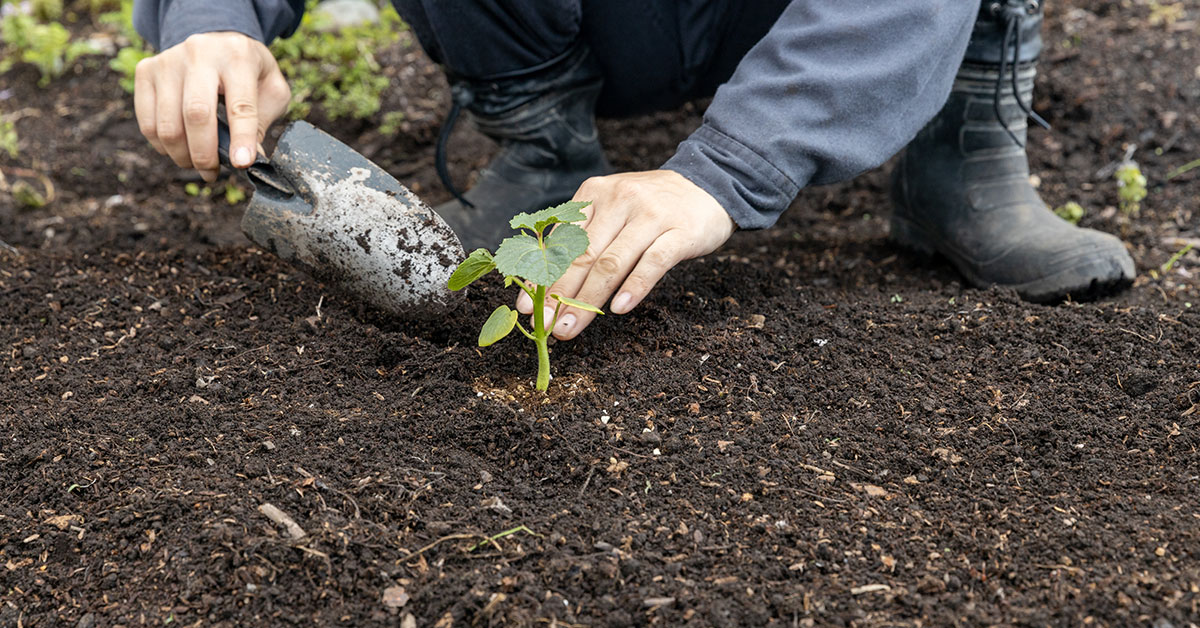

Are you a passionate gardener in the beautiful state of Kentucky, yearning to grow your own delicious okra? Look no further, for we are here to guide you on the best time to plant this heat-loving vegetable in the Bluegrass State. Known for its vibrant green pods and versatility in Southern cuisine, okra thrives in warm climates and requires careful timing to ensure a successful harvest. When should you plant Okra in Kentucky?
By understanding Kentucky’s unique climate and following a few expert tips, you can maximize the growth and yield of your okra plants, bringing a taste of the South right to your backyard. So, grab your gardening gloves and let’s delve into the world of okra planting in Kentucky!
Best varieties of Okra to grow in Kentucky
There are several good varieties of okra that grow well in Kentucky’s climate. Here are a few popular options:
- Clemson Spineless: This variety is a classic choice for okra growers. It produces tender, spineless pods that are excellent for cooking. Clemson Spineless is known for its high productivity and disease resistance.
- Emerald: Emerald okra is another popular variety that performs well in Kentucky. It produces dark green pods that remain tender even when they grow larger. Emerald okra plants are known for their vigorous growth and good disease resistance.
- Annie Oakley II: This is a newer variety of okra that has gained popularity in recent years. It produces dark green pods with excellent flavor and tenderness. Annie Oakley II is known for its high yields and resistance to pests and diseases.
- Red Burgundy: If you’re looking for a unique twist on traditional okra, Red Burgundy is a great choice. This variety produces deep red pods that are not only visually appealing but also have a delicious flavor. Red Burgundy okra plants are productive and disease resistant.
Remember to choose a variety that suits your taste preferences and growing conditions. It’s also a good idea to check with local nurseries or cooperative extension offices for specific recommendations based on your location in Kentucky.
When to plant Okra in Kentucky
In Kentucky, the hardiness zones range from Zone 6a in the northern parts of the state to Zone 7b in the southern regions. These zones are determined by the average minimum winter temperature and are crucial for understanding which plants can thrive in a particular area.
When it comes to planting Okra in Kentucky, it is essential to consider the average frost dates and temperatures in your specific zone. Okra is a warm-season crop that prefers temperatures between 75°F and 90°F (24°C to 32°C) for optimal growth. It is highly sensitive to frost and cool temperatures, so it is crucial to wait until all danger of frost has passed before planting.
In Kentucky, the average last frost date ranges from late April to mid-May in most areas. Therefore, it is generally recommended to plant Okra seeds or transplants directly in the garden after the last frost date. This timing will ensure that the soil has warmed up sufficiently and the weather conditions are favorable for the plant’s growth.
Before planting, prepare your garden bed by loosening the soil and adding compost or well-rotted manure to improve its fertility and drainage. Okra plants prefer full sun, so choose a location that receives at least 6-8 hours of direct sunlight each day.
Sow Okra seeds about 1 inch deep and 12-18 inches apart in rows spaced 3 feet apart. If you are using transplants, space them similarly. Ensure that the soil is consistently moist but not waterlogged during the germination period, and continue to provide adequate water throughout the growing season.
As the plants grow, consider providing support such as stakes or trellises to prevent them from toppling over in strong winds. Additionally, mulching around the plants can help retain moisture and suppress weed growth.
With proper care and attention, Okra plants typically reach maturity and begin producing pods within 60-70 days after planting. Harvest the pods when they are about 2-4 inches long, as younger pods tend to be more tender and flavorful. Regularly harvesting the pods promotes continued production throughout the season.
Remember to keep an eye out for pests such as aphids and caterpillars, and take necessary measures to control them if they become problematic. Regularly inspecting your plants for signs of disease or nutrient deficiencies is also crucial for maintaining their health.
By following these guidelines and understanding your specific hardiness zone, you can successfully plant Okra in Kentucky and enjoy a bountiful harvest of this delicious warm-weather vegetable.
When to harvest Okra in Kentucky
The optimal time to harvest okra in Kentucky is typically in late summer or early fall, when the plants have reached a height of around 3-4 feet and the pods are still tender and immature. Okra pods should be harvested when they are around 2-4 inches long, as larger pods can become tough and fibrous. It’s important to check the plants regularly, as okra pods can grow quickly and become overripe if left on the plant too long.
Other considerations
When growing okra in Kentucky, there are a few additional considerations to keep in mind:
- Climate: Kentucky has a humid subtropical climate, which is favorable for okra growth. However, it is important to select heat-tolerant okra varieties that can handle the hot and humid summers in the region.
- Soil: Okra prefers well-drained soil with a pH level between 6.0 and 6.8. Prior to planting, amend the soil with organic matter such as compost or aged manure to improve its fertility and drainage.
- Planting time: Okra is a warm-season crop that thrives in temperatures above 65°F (18°C). In Kentucky, it is recommended to sow okra seeds or transplant seedlings outdoors after the last frost date, typically in late April or early May.
- Spacing: Okra plants require sufficient space for proper growth and airflow. Space the plants about 12-18 inches apart in rows that are 3-4 feet apart. This allows the plants to receive adequate sunlight and reduces the risk of diseases.
- Watering: Okra plants require consistent moisture throughout their growing season. Water deeply and regularly, providing about 1 inch of water per week. Be mindful not to overwater, as excessive moisture can lead to root rot and other fungal diseases.
- Mulching: Applying a layer of organic mulch, such as straw or wood chips, around the base of okra plants helps conserve soil moisture, suppress weed growth, and regulate soil temperature. Mulching also reduces the risk of soil-borne diseases.
- Fertilization: Okra is a moderately heavy feeder. Prior to planting, incorporate a balanced organic fertilizer, following the package instructions, into the soil. Additionally, side-dress the plants with a nitrogen-rich fertilizer once they reach about 6-8 inches in height to promote healthy growth and fruit production.
- Pest and disease management: Common pests that may affect okra in Kentucky include aphids, flea beetles, and caterpillars. Regularly inspect the plants for any signs of infestation and take appropriate measures like using organic insecticides or employing companion planting techniques. Additionally, be vigilant about common diseases in the region, such as powdery mildew and root rot, and take preventive measures like crop rotation and maintaining good plant hygiene.
- Harvesting: Okra pods should be harvested when they are about 2-4 inches long and still tender. Harvesting regularly encourages more pod production. Use a sharp knife or pruners to cut the pods from the plant, taking care not to damage the stem or surrounding foliage.
By considering these factors, you can increase your chances of successfully growing okra in Kentucky and enjoy a bountiful harvest.