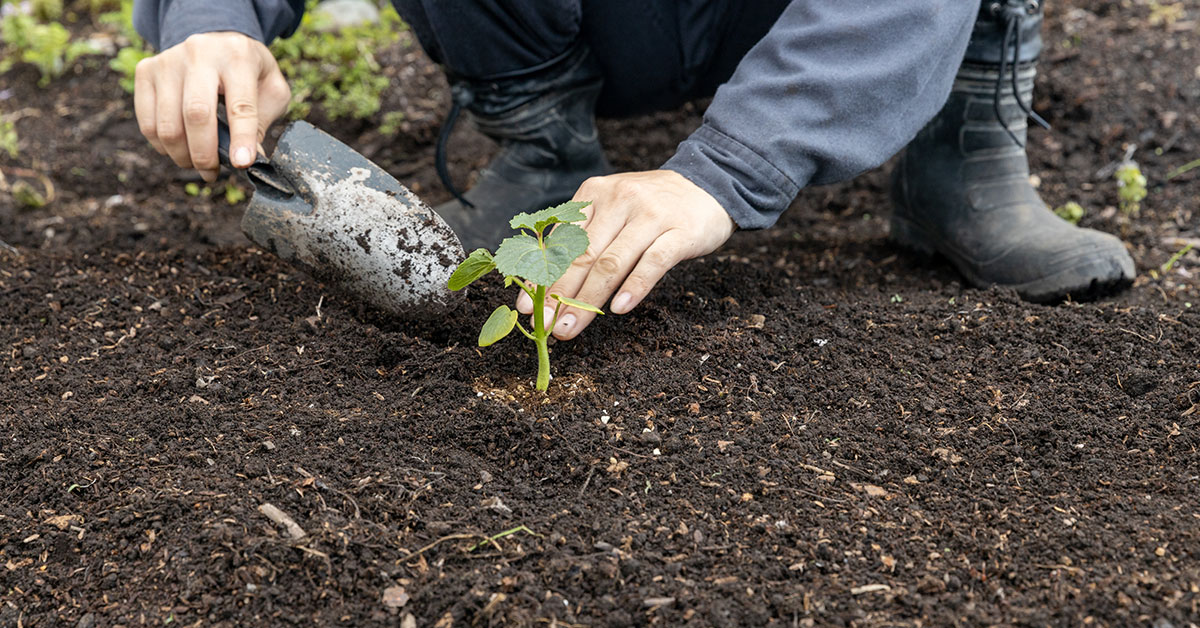

Welcome to the world of gardening in Kansas! If you’re considering growing okra in your garden this season, you’ve come to the right place. Okra, a warm-season vegetable that thrives in hot and humid climates, can be a delicious addition to your backyard garden. When should you plant Okra in Kansas?
In this article, we will guide you through the best time to plant okra in Kansas, taking into account the region’s weather patterns and ideal conditions for this vegetable. So grab your gardening tools and let’s dive into the world of okra cultivation in the Sunflower State!
Best varieties of Okra to grow in Kansas
In Kansas, some good varieties of okra that have proven to perform well are:
- Clemson Spineless: This is a popular variety known for its productivity and disease resistance. It produces tender, spineless pods that are excellent for frying and gumbo.
- Annie Oakley II: This variety is known for its early maturity and high yields. The pods are spineless and tender, making them ideal for various culinary uses.
- Emerald: This variety has dark green pods and is highly productive. It is resistant to many diseases and can tolerate hot and humid conditions, which makes it suitable for the Kansas climate.
- Burgundy: If you’re looking for something a little different, Burgundy is a unique variety with deep red pods. The pods turn green when cooked, but the vibrant color adds interest to your garden and culinary creations.
- Lee: Lee is a heat-tolerant variety that produces long, slender pods. It is known for its excellent flavor and tenderness, making it a great choice for fresh consumption or for pickling.
Remember to consider factors such as disease resistance, heat tolerance, and your personal culinary preferences when choosing the right variety for your garden.
When to plant Okra in Kansas
Kansas is located in USDA hardiness zones 5 and 6. These hardiness zones are determined by average annual minimum temperatures, which help gardeners determine which plants are most likely to thrive in their region.
When it comes to planting okra in Kansas, it’s important to consider the typical weather patterns and frost dates in the state. Okra is a warm-season vegetable that thrives in hot temperatures. It is generally recommended to wait until after the last frost date in spring to plant okra outdoors.
In most parts of Kansas, the last frost date occurs around mid-April to early May. However, it’s always a good idea to check with your local extension office or consult a gardening calendar for the most accurate information specific to your area.
Once the last frost has passed and the soil temperature has warmed up to around 60°F (15°C) or higher, it is safe to plant okra seeds or seedlings in your garden. This usually happens in late spring or early summer in Kansas.
Okra plants prefer well-drained soil and full sun exposure. It is recommended to sow the seeds directly into the garden, as transplanting can sometimes stunt their growth. Plant the seeds about 1 inch deep and space them about 12 to 18 inches apart, allowing enough room for the plants to grow and spread.
Keep the soil consistently moist but not waterlogged, especially during hot and dry periods. Regularly monitor for pests such as aphids or flea beetles, which can damage okra plants. Applying organic mulch around the plants can help retain moisture and suppress weed growth.
With proper care and favorable growing conditions, okra plants typically take around 55 to 70 days from planting to harvest. Harvest the okra pods when they are about 2 to 4 inches long, as they tend to become tough and fibrous if left to mature for too long.
By following these guidelines and paying attention to local weather patterns, you can successfully grow okra in Kansas and enjoy a bountiful harvest of this delicious warm-season vegetable.
When to harvest Okra in Kansas
The optimal time to harvest okra in Kansas is typically when the pods are young and tender, around 2 to 4 inches in length. Okra plants usually start producing pods about 50 to 60 days after planting. You should regularly check your okra plants and harvest the pods every 2 to 3 days once they reach the desired size. It’s important not to let the pods become too large and tough, as this can impact their taste and texture.
Other considerations
When growing okra in Kansas, there are a few additional considerations to keep in mind:
- Soil preparation: Okra prefers well-draining soil with a pH range of 6.0-7.5. Before planting, amend the soil with organic matter like compost to improve its fertility and drainage.
- Temperature and sunlight: Okra is a warm-season crop that thrives in full sun. Ensure that your planting area receives at least 6-8 hours of direct sunlight daily. Kansas summers often provide the necessary heat for okra growth, but if the temperatures drop below 55°F, the plants may struggle.
- Watering: Okra requires regular watering to keep the soil evenly moist, especially during hot, dry periods. Aim to provide around 1 inch of water per week, either through rainfall or supplemental irrigation. Avoid overwatering, as excessive moisture can lead to root rot.
- Mulching: Applying a layer of organic mulch around the base of the okra plants can help conserve moisture, suppress weeds, and regulate soil temperature. Use materials like straw, shredded leaves, or grass clippings.
- Pest management: Keep an eye out for common pests such as aphids, flea beetles, and stink bugs. Regularly inspect the plants and promptly remove any affected leaves or insects. Consider using organic pest control methods like insecticidal soaps or neem oil if necessary.
- Support: Okra plants can grow quite tall, reaching heights of 4-6 feet. Providing support, such as stakes or trellises, can help prevent the plants from falling over or breaking during windy conditions.
- Harvesting: Okra pods should be harvested when they are 2-3 inches long and still tender. Check the plants regularly, as the pods can become tough and woody if left on the plant for too long. Harvesting frequently also encourages continuous pod production.
By considering these factors and providing the necessary care, you can enjoy a successful okra harvest in Kansas.