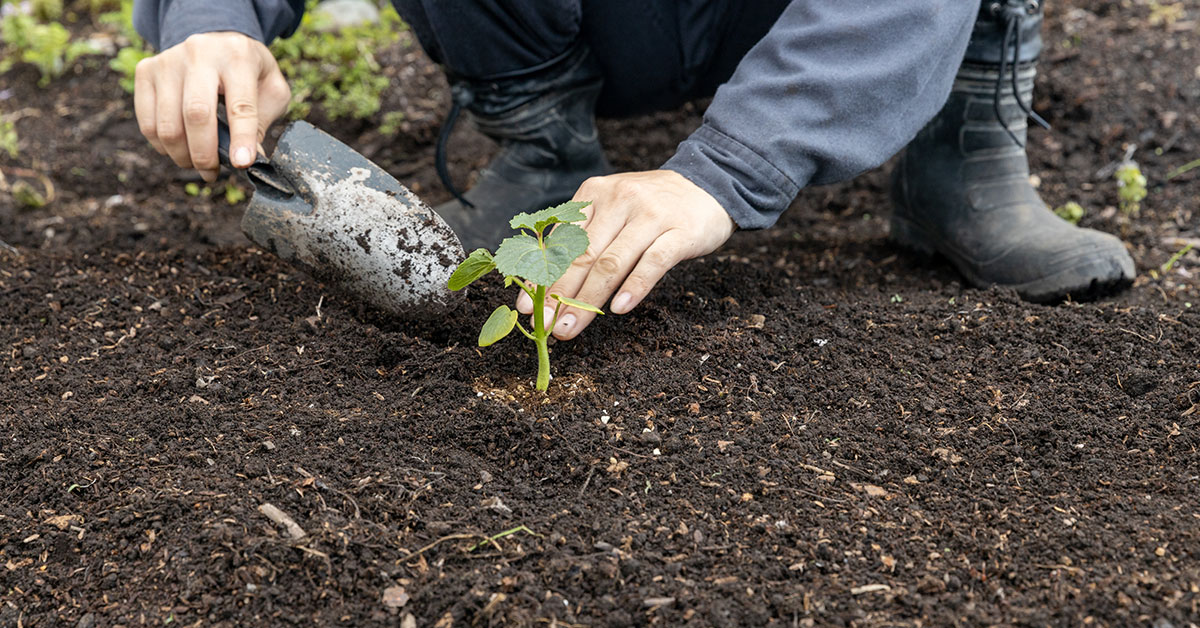

Welcome to the world of gardening in Illinois! If you’re a fan of hearty, versatile vegetables, then planting okra in your garden should definitely be on your to-do list. Okra, also known as lady’s fingers, is a warm-season crop that thrives in hot and humid conditions, making it a perfect fit for the Illinois summer. However, timing is crucial when it comes to planting okra to ensure a successful and bountiful harvest. In this article, we will delve into the best time to plant okra in Illinois, taking into consideration the state’s climate, frost dates, and growing season.
Whether you’re a seasoned gardener or a beginner, get ready to learn all about the optimal time to sow your okra seeds and grow this beloved vegetable in your own backyard.
Best varieties of Okra to grow in Illinois
In Illinois, some good varieties of okra that are known to perform well include:
- Clemson Spineless: This is a popular variety that is widely grown. It produces tender, spineless pods and is highly productive.
- Emerald: This variety is known for its dark green pods and excellent flavor. It is relatively disease resistant and performs well in Illinois’ climate.
- Annie Oakley II: This variety is relatively compact, making it a good choice for smaller gardens. It produces green, spineless pods and has good disease resistance.
- Burgundy: If you’re looking for something a bit different, Burgundy okra is a unique variety with deep red pods. It is also flavorful and productive.
- Louisiana Green Velvet: This variety is known for its large, spineless pods. It is a high-yielding variety that performs well in Illinois.
These are just a few options, but there are many other varieties available. Consider factors such as disease resistance, pod size, and plant height when choosing the best variety for your garden.
When to plant Okra in Illinois
In Illinois, the state’s hardiness zones range from Zone 5 to Zone 7. These zones are determined based on the average annual minimum temperatures experienced in different regions. Zone 5 has an average minimum temperature of -20 to -10 degrees Fahrenheit, while Zone 7 has an average minimum temperature of 0 to 10 degrees Fahrenheit.
When it comes to planting Okra in Illinois, it is essential to consider the frost dates and the average temperatures during the growing season. Okra is a warm-season crop that thrives in hot and humid conditions. It requires a long growing season with temperatures consistently above 50 degrees Fahrenheit.
In Illinois, it is best to wait until after the last spring frost to plant Okra. The average last frost date for most regions in Illinois falls between late April and mid-May. By waiting until this time, you can ensure that the soil has warmed up sufficiently and the risk of frost has passed.
Typically, Okra seeds are planted directly in the garden, as they do not transplant well due to their sensitive root system. The soil temperature should be at least 65 degrees Fahrenheit before planting. This usually occurs a few weeks after the last frost date.
To prepare for planting, choose a location that receives full sun for at least 6-8 hours a day. Okra prefers well-draining soil with a pH level between 6.0 and 6.8. Before planting, work organic matter into the soil to improve its fertility and drainage.
Once the soil is adequately prepared, sow the Okra seeds about 1 inch deep and 12-18 inches apart. Rows should be spaced 3-4 feet apart to allow enough room for the plants to grow. After planting, water the seeds thoroughly and keep the soil consistently moist throughout the growing season.
Okra plants typically take around 60-70 days to reach maturity and produce edible pods. Regularly monitor the plants for pests, such as aphids or caterpillars, and take appropriate measures to control them. Harvest the Okra pods when they are around 2-3 inches long and still tender.
By following these guidelines and considering the specific conditions in your region of Illinois, you can maximize the success of your Okra crop and enjoy a bountiful harvest.
When to harvest Okra in Illinois
The optimal time to harvest okra in Illinois is typically from late July to early September. Okra plants require warm temperatures to grow and produce well, so it’s important to wait until the weather is consistently warm before planting. Once the plants start producing pods, you can begin harvesting them when they are about 2-3 inches long. It’s best to harvest okra every 2-3 days to ensure the pods are tender and not overripe. Overripe pods can become tough and fibrous.
Other considerations
When growing okra in Illinois, there are a few additional considerations to keep in mind:
- Climate: Okra is a warm-season crop that thrives in hot temperatures. In Illinois, it is important to plant okra after the danger of frost has passed and the soil has warmed up. The ideal temperature range for okra growth is between 75-90°F (24-32°C).
- Soil: Okra prefers well-draining soil with a pH level between 6.0 and 6.8. Before planting, amend the soil with organic matter such as compost or well-rotted manure to improve its fertility and moisture retention capacity.
- Sunlight: Okra requires full sun exposure for at least 6-8 hours a day. Choose a location in your garden that receives ample sunlight to promote healthy growth and maximum fruit production.
- Spacing: Okra plants can grow quite tall, reaching heights of 4-6 feet. They also produce large, broad leaves that require space to spread out. When planting, space your okra plants about 2-3 feet apart to allow for proper air circulation and prevent overcrowding.
- Watering: Okra plants have a moderate water requirement, especially during hot summer months. It is crucial to provide consistent moisture, ensuring the soil remains evenly moist but not waterlogged. Irrigate deeply and regularly, especially during dry spells.
- Mulching: Mulching around okra plants can help conserve soil moisture, suppress weed growth, and regulate soil temperature. Apply a layer of organic mulch, such as straw or wood chips, around the base of the plants, taking care to keep it away from the stems to prevent rotting.
- Fertilization: Okra is a heavy feeder and benefits from regular feeding. Prior to planting, incorporate a balanced, slow-release fertilizer into the soil. Additionally, you can apply a side dressing of compost or a nitrogen-rich fertilizer during the growing season to promote healthy growth and fruit production.
- Pest and disease management: Keep an eye out for common pests like aphids, flea beetles, and stink bugs. Regularly inspect your plants for any signs of infestation or disease. If necessary, use organic or chemical controls to manage pests and diseases.
By considering these factors, you can increase your chances of successfully growing okra in Illinois and enjoying a bountiful harvest.