
Welcome to the world of gardening in Delaware, where the changing seasons and diverse climate offer a unique set of challenges and opportunities. If you are a fan of warm-season vegetables and are considering adding okra to your garden, you may be wondering about the best time to plant this delicious and versatile crop. In this article, we will explore the ideal planting time for okra in Delaware, taking into account the region’s climate, frost dates, and optimal growing conditions.
Whether you are a seasoned gardener or a beginner looking to expand your vegetable garden, this guide will provide you with the knowledge you need to successfully grow okra in the First State.
Best varieties of Okra to grow in Delaware
In Delaware, there are several good varieties of okra that you can grow in your garden. Here are a few recommendations:
- Clemson Spineless: This is a popular variety known for its tender, spineless pods. It is disease-resistant and performs well in Delaware’s climate.
- Emerald: Emerald okra produces dark green pods that remain tender even when they grow larger. It is also resistant to disease and heat tolerant.
- Annie Oakley II: This variety is known for its high yields and disease resistance. It produces spineless, dark green pods that are excellent for cooking.
- Cajun Delight: Cajun Delight is a productive variety that produces tender, ribbed pods. It is known for its excellent flavor and disease resistance.
- Lee: Lee okra is a compact variety that is perfect for small gardens. It produces spineless, green pods and is known for its early maturity.
Remember to check the seed catalogs or visit your local garden center for specific varieties that are well-suited to your region.
When to plant Okra in Delaware
Delaware, like any other state, has specific hardiness zones that help gardeners determine which plants are most likely to thrive in their region. The state of Delaware falls within USDA hardiness zones 7a and 7b. These zones are characterized by a moderate climate with cool winters and warm to hot summers.
When it comes to planting Okra in Delaware, it is important to consider the plant’s preference for warm weather. Okra is a warm-season crop that requires a long growing season to produce a bountiful harvest. In Delaware, the best time to plant Okra is typically in late spring to early summer, after the last frost date has passed and the soil temperature has warmed up.
The average last frost date in Delaware falls around mid-April, but it can vary slightly depending on the specific location within the state. Therefore, it’s always a good idea to keep an eye on local weather patterns and consult with your local agricultural extension office for precise information on frost dates.
To plant Okra, make sure the soil temperature has reached at least 60°F (15°C) before sowing the seeds directly into the garden. Okra plants prefer well-draining soil that is rich in organic matter. Prepare the soil by loosening it with a garden fork or tiller, and incorporate compost or well-rotted manure to improve fertility.
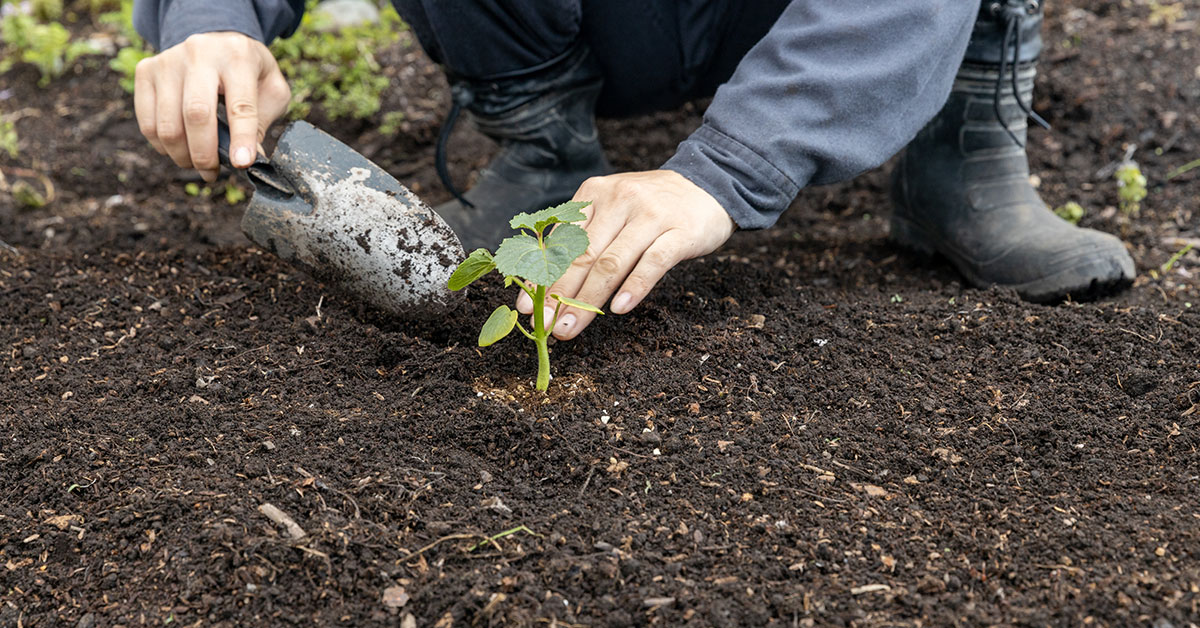
Sow the Okra seeds about 1 inch deep and 12-18 inches apart, allowing enough space for the plants to grow and spread. Water the seeds thoroughly after planting and keep the soil consistently moist throughout the growing season.
Okra plants thrive in full sun, so choose a location in your garden that receives at least 6-8 hours of direct sunlight each day. As the plants grow, consider providing support such as stakes or trellises to prevent them from falling over in windy conditions.
Regularly monitor the plants for pests and diseases, and take appropriate action if necessary. Harvest the Okra pods when they are young and tender, usually around 2-3 inches long, as they can become tough and fibrous if left to mature for too long.
By following these guidelines and considering the specific climate and planting times in Delaware, you can enjoy a successful Okra harvest and a fruitful garden.
When to harvest Okra in Delaware
The optimal time to harvest okra in Delaware is typically from mid-July to early September. Okra plants generally require warm temperatures and a long growing season to produce mature pods. It is important to wait until the pods are around 2-3 inches long before harvesting. If they are left on the plant for too long, they can become tough and woody. Regular harvesting, every 2-3 days, promotes continuous production throughout the season.
Other considerations
When growing okra in Delaware, there are several additional considerations to keep in mind:
- Climate: Okra is a warm-season crop that thrives in hot and humid conditions. Delaware has a relatively short growing season, so it is important to choose okra varieties with shorter maturation periods (around 50-60 days) to ensure a successful harvest. Additionally, providing a warm microclimate for the plants, such as using black plastic mulch or row covers, can help promote growth and yield.
- Soil: Okra prefers well-draining soil with a pH range of 6.0-6.8. Before planting, it is advisable to amend the soil with organic matter, such as compost or well-rotted manure, to improve its fertility and moisture retention. Conducting a soil test can also help identify any nutrient deficiencies and guide appropriate fertilizer application.
- Sunlight: Okra is a sun-loving plant that requires at least 6-8 hours of direct sunlight daily for optimal growth and fruit production. Choose a location in your garden that receives ample sunlight throughout the day.
- Watering: Okra plants have deep root systems and require regular watering to ensure consistent moisture in the soil. Water deeply, allowing the soil to dry slightly between watering sessions. Avoid overhead watering, as it can promote disease development. Instead, aim to water at the base of the plants to minimize moisture on the leaves.
- Pest and Disease Control: Okra can be susceptible to various pests and diseases, including aphids, spider mites, whiteflies, and fungal diseases like powdery mildew and root rot. Monitor your plants regularly for any signs of infestation or disease, and take appropriate measures, such as using organic insecticides or fungicides, to control them if necessary. Crop rotation and maintaining good garden hygiene can also help minimize potential issues.
- Harvesting: Okra pods should be harvested when they are young and tender, around 2-4 inches in length. Regularly check your plants for mature pods, as they can quickly become tough and fibrous if left on the plant too long. Harvesting regularly encourages continuous pod production.
By considering these factors, you can increase your chances of successfully growing okra in Delaware and enjoy a bountiful harvest.