
Welcome to the world of gardening in Connecticut! If you’re a fan of warm-weather crops and have been considering adding okra to your garden, you’ve come to the right place. Okra, a versatile and nutritious vegetable, thrives in the heat of summer, making it a popular choice for gardeners in the Constitution State. However, timing is crucial when it comes to planting okra in Connecticut to ensure optimal growth and a bountiful harvest.
In this article, we will explore the best time to plant okra in Connecticut, taking into account the state’s climate and growing conditions. By following our expert advice, you’ll be well on your way to enjoying a successful okra harvest in your own backyard. So, grab your gardening tools and let’s dive in!
Best varieties of Okra to grow in Connecticut
In Connecticut, the climate can be a bit challenging for growing okra due to its preference for hot and humid conditions. However, there are a few varieties that have shown some success in the state:
- Clemson Spineless: This is a popular variety that performs well in various climates, including Connecticut. It produces tender, spineless pods and has a relatively short growing season.
- Burgundy: This variety is known for its striking deep red pods. It has a slightly shorter growing season compared to other okra varieties and can tolerate cooler temperatures.
- Emerald: Emerald is a vigorous variety that produces dark green pods. It has good disease resistance and the plants can reach a height of 5-6 feet, so make sure you have enough space in your garden.
- Annie Oakley II: This is a compact variety that is suitable for smaller gardens or containers. It produces spineless, tender pods and has good disease resistance.
When growing okra in Connecticut, it is recommended to start seeds indoors and transplant the seedlings outside once the soil has warmed up and there is no longer a risk of frost. Additionally, providing the plants with full sun, ample water, and well-draining soil will help them thrive.
When to plant Okra in Connecticut
Connecticut, like any other state, has specific hardiness zones that help gardeners determine the best time to plant various crops. The hardiness zones in Connecticut range from 5a in the northern parts of the state to 7a in the southern regions. These zones are based on the average minimum winter temperatures and provide valuable information on what plants can thrive in different areas.
When it comes to planting Okra (Abelmoschus esculentus) in Connecticut, it is essential to consider the state’s hardiness zones to ensure successful growth. Okra is a warm-season vegetable that requires a longer growing season and prefers warmer temperatures. It is typically grown as an annual in Connecticut due to its sensitivity to frost.
Considering the hardiness zones mentioned earlier, the best time to plant Okra in Connecticut is after the last frost date, which generally falls between mid-April to early May in the southern regions (zone 7a) and late April to early May in the northern parts (zone 5a). It is crucial to wait until the soil has warmed up adequately and the risk of frost has passed before planting Okra.
To ensure the best growth and yield, it is recommended to start Okra seeds indoors about four to six weeks before the last frost date. This allows for early establishment and gives the plants a head start. When the seedlings have reached a height of around 4 to 6 inches and the weather has warmed up, they can be transplanted into the garden.
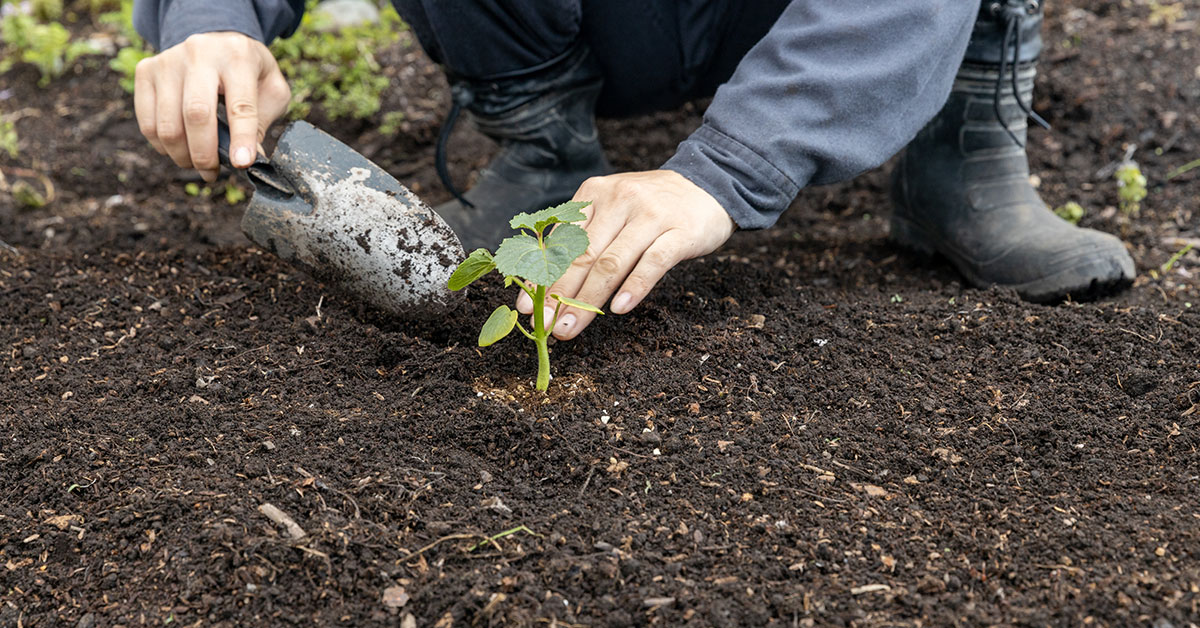
When planting Okra, choose a location that receives full sun for at least six to eight hours a day. The soil should be well-draining and rich in organic matter. Prepare the soil by incorporating compost or well-rotted manure to improve its fertility and structure.
Plant the Okra seedlings in rows or raised beds, spacing them about 18 to 24 inches apart. The plants need sufficient space for their broad leaves and branching growth habit. Water the seedlings thoroughly after transplanting and ensure they receive consistent moisture throughout the growing season.
Okra thrives in warm temperatures, so maintaining a soil temperature around 70°F (21°C) is ideal for its growth. Mulching around the plants can help conserve moisture and regulate soil temperature.
Harvesting Okra can begin around 50 to 60 days after planting, depending on the variety. It is important to harvest the pods when they are young and tender, usually around 3 to 4 inches in length. Regular harvesting encourages the plant to produce more pods.
In conclusion, the best time to plant Okra in Connecticut is after the last frost date, which typically falls between mid-April to early May in the southern parts and late April to early May in the northern regions. By following these guidelines and considering the state’s hardiness zones, you can enjoy a successful Okra harvest in your Connecticut garden.
When to harvest Okra in Connecticut
In Connecticut, the optimal time to harvest okra is typically from mid to late summer, specifically when the pods are young and tender. Okra plants need warm temperatures to thrive, so it’s important to wait until the weather has consistently warmed up before planting. Once the plants begin to flower, you can start checking for mature pods around 50-60 days after planting. Harvest the okra pods when they are around 2-4 inches long, as larger pods tend to be tough and fibrous. Regularly harvesting the okra will also encourage the plant to continue producing more pods throughout the season.
Other considerations
When growing okra in Connecticut, there are several other considerations to keep in mind:
- Climate: Okra is a warm-season crop and requires a long growing season with plenty of heat and sunlight. In Connecticut, the summers are relatively short, so it’s important to start okra indoors or in a greenhouse to give it a head start before transplanting it outside. Consider using black plastic mulch to help warm the soil and retain heat.
- Soil: Okra prefers well-drained soil with a pH between 6.0 and 6.8. Before planting, amend the soil with organic matter such as compost or well-rotted manure to improve fertility and drainage. It’s also a good idea to conduct a soil test to determine if any additional amendments are needed.
- Planting: Okra can be started indoors 4-6 weeks before the last expected frost date in Connecticut. Transplant the seedlings outdoors once the soil has warmed up to around 65°F (18°C). Space the plants about 12-18 inches apart in rows that are 3-4 feet apart.
- Watering: Okra plants need consistent moisture to thrive. Water deeply and regularly, especially during dry spells. Avoid overhead watering as it can promote diseases. Consider using a drip irrigation system to provide consistent moisture directly to the root zone.
- Mulching: Apply a layer of organic mulch around the base of the plants to help conserve moisture, suppress weeds, and regulate soil temperature. Straw, hay, or shredded leaves make good mulch options.
- Fertilizing: Okra is a heavy feeder and benefits from regular fertilization. Before planting, incorporate a balanced organic fertilizer into the soil. Additionally, side-dress the plants with compost or a nitrogen-rich fertilizer every 4-6 weeks during the growing season.
- Pest and Disease Management: Keep an eye out for common pests such as aphids, flea beetles, and stink bugs. Monitor regularly and consider using organic pest control methods like handpicking, insecticidal soaps, or neem oil if necessary. Okra is generally resistant to many diseases, but keep an eye out for fungal diseases such as powdery mildew or root rot. Proper spacing and good airflow can help minimize disease issues.
- Harvesting: Okra pods are typically ready to harvest when they are 2-4 inches long and still tender. Harvest regularly, every 2-3 days, to encourage continued pod production. Use a sharp knife or pruners to cut the pods from the stem, taking care not to damage the plant.
By considering these factors, you can increase your chances of successfully growing okra in Connecticut and enjoy a bountiful harvest.