
Welcome to the world of gardening in Alaska, where the unique climate and growing conditions present both challenges and opportunities. If you have a passion for growing your own food and are eager to try your hand at cultivating okra in Alaska, you may be wondering when is the best time to plant this warm-season vegetable in the Last Frontier.
In this article, we will explore the ideal planting time for okra in Alaska, taking into consideration the state’s short growing season, cool temperatures, and potential frost risks. By understanding the specific requirements of okra and adapting them to the Alaskan climate, you can maximize your chances of a successful harvest and enjoy the flavorful rewards of this Southern favorite in your very own backyard.
Best varieties of Okra to grow in Alaska
Okra is typically grown in warm climates, so it can be a bit challenging to grow in Alaska due to its shorter growing season and cooler temperatures. However, with some careful planning and the right varieties, you can still have success growing okra in Alaska. Here are a few varieties that are known to perform well in cooler climates:
- Jing Orange: This variety is known for its vibrant orange pods and is adapted to cooler temperatures. It is a relatively early maturing okra, which makes it suitable for shorter growing seasons.
- Burgundy: Burgundy okra is prized for its deep red pods, which add a pop of color to your garden. It is also known for its tolerance to cooler temperatures and can be harvested in around 55-60 days.
- Clemson Spineless: While Clemson Spineless is a popular variety for warmer climates, it can still be grown successfully in Alaska with some extra care. It is a reliable producer with tender and flavorful pods.
- Emerald: This variety is known for its dark green pods and is suitable for cooler climates. It has a bushy growth habit and matures in about 50-55 days.
When growing okra in Alaska, it is important to start the seeds indoors about 6-8 weeks before the last frost date. Transplant the seedlings outdoors once the soil has warmed up and all danger of frost has passed. Provide them with full sun exposure and well-draining soil. Consider using black plastic mulch to help raise the soil temperature and retain warmth. Additionally, using row covers or cold frames can help protect the plants from cooler temperatures and extend the growing season. Regularly water the plants and provide them with adequate fertilizer to promote healthy growth. Remember, okra is a heat-loving plant, so it may not produce as abundantly as it would in warmer regions. However, with proper care and the right varieties, you can still enjoy a successful okra harvest in Alaska.
When to plant Okra in Alaska
In Alaska, the hardiness zones vary across the state due to its vast size and diverse climate. The United States Department of Agriculture (USDA) has divided Alaska into different zones based on its average annual minimum temperatures. These zones help gardeners determine which plants are likely to thrive in their specific region.
In general, Alaska is primarily classified as zones 1 to 6, with zone 1 being the coldest and zone 6 being the mildest. The southeastern region of Alaska, including parts of the panhandle, is considered zone 6, while the interior and northern parts of the state fall into zones 1 to 5.
When it comes to planting Okra in Alaska, it’s important to consider its warm-season nature. Okra is a heat-loving plant that requires a long growing season with temperatures consistently above 50°F (10°C). Given Alaska’s relatively short and cool summers, growing Okra can be challenging.
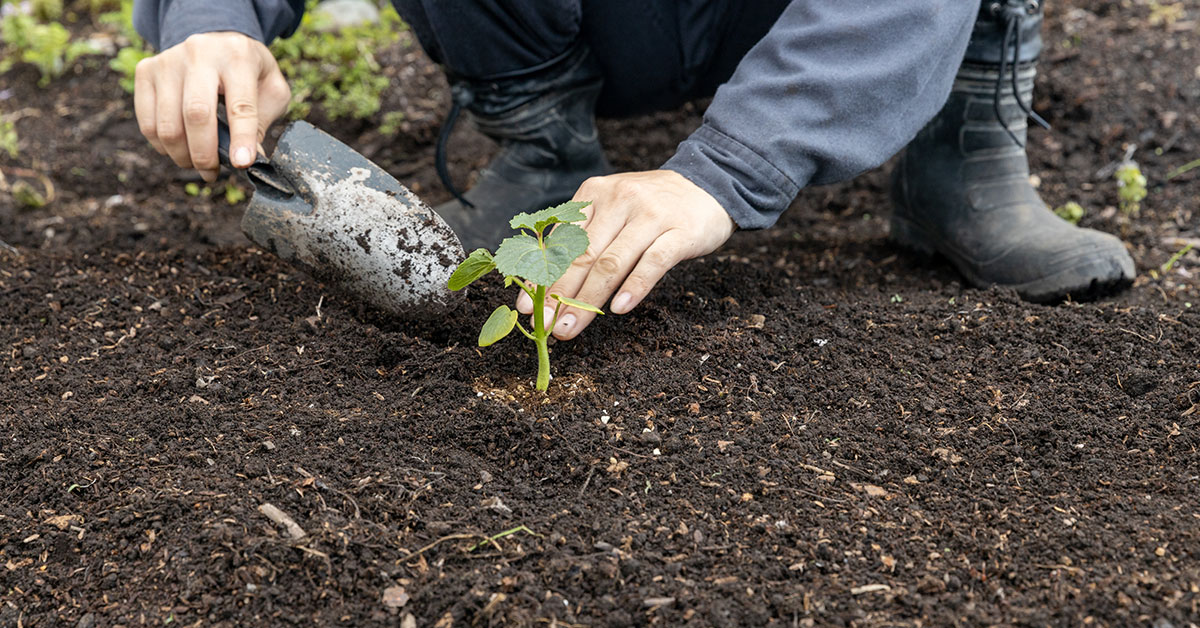
For gardeners in the southeastern part of Alaska (zone 6), where the climate is milder, it may be possible to successfully grow Okra. However, it will still require careful attention and some adjustments to create optimal growing conditions. You can start Okra seeds indoors 6-8 weeks before the last frost date, which typically falls in May. Transplant the seedlings outdoors once the soil has warmed up and the risk of frost has passed.
In the interior and northern parts of Alaska (zones 1 to 5), where the climate is much colder, growing Okra outdoors becomes extremely difficult. The short growing season and cool temperatures make it challenging for the plant to reach maturity before the first frost. In such regions, it is recommended to grow Okra in a greenhouse or use season extension techniques like row covers, cloches, or high tunnels to provide the necessary warmth.
If you are determined to grow Okra in Alaska, it’s essential to select early-maturing and cold-tolerant varieties. These varieties have been specifically bred to withstand cooler temperatures and have a shorter time to harvest. Additionally, providing the plants with full sun, well-drained soil, and consistent moisture will help maximize their growth potential.
In conclusion, while growing Okra in Alaska can be a challenging endeavor, it is possible in some regions with proper planning, attention to the specific hardiness zone, and the use of season extension techniques. Gardeners in zone 6 may have a higher chance of success, while those in zones 1 to 5 may need to rely on protected growing environments to achieve satisfactory results.
When to harvest Okra in Alaska
Okra is a warm-season vegetable that thrives in hot and humid climates. Unfortunately, Alaska’s cool climate and short growing season make it challenging to grow okra successfully. However, if you are determined to give it a try, you can start okra indoors about 4-6 weeks before the last expected frost date in your area. Once the seedlings have developed, transplant them to your garden after all danger of frost has passed.
In Alaska, it is crucial to choose early-maturing okra varieties that have a shorter growing season. Look for varieties that mature within 50-60 days. Keep in mind that okra plants require a minimum of 55-60 days of warm weather to produce a harvestable crop.
In terms of harvesting, okra pods should be picked when they are young and tender, usually around 2-3 inches long. Harvesting regularly every 2-3 days encourages the plant to produce more pods. If you wait too long, the pods will become tough and fibrous, making them less enjoyable to eat.
Given Alaska’s challenging conditions for growing okra, it’s essential to monitor the weather and provide the plants with adequate protection, such as using row covers or a greenhouse, to extend the growing season.
Other considerations
Growing Okra in Alaska can be quite a challenge due to the shorter growing season and cooler climate. Here are some additional considerations to keep in mind:
- Selecting the right variety: Choose early-maturing varieties of Okra that have a shorter growing season, typically around 55-65 days. Look for varieties specifically bred for cooler climates or shorter growing seasons.
- Starting indoors: Since the Alaskan growing season is relatively short, it is recommended to start your Okra seeds indoors. Start seeds around 4-6 weeks before the last expected frost date. Transplant the seedlings outdoors once the soil has warmed up and there is no risk of frost.
- Soil preparation: Okra prefers well-draining soil with a pH between 6.0 and 7.5. Amend the soil with organic matter, such as compost, to improve fertility and drainage. Raised beds can also be beneficial in colder regions as they warm up faster in spring.
- Providing warmth: Okra requires warm soil and air temperatures to thrive. Consider using black plastic mulch to help warm the soil early in the season. Row covers or hoop houses can also provide additional warmth and protect the plants from cold temperatures.
- Optimal growing conditions: Okra thrives in full sun, so choose a location that receives at least 6-8 hours of direct sunlight daily. Ensure adequate spacing between plants to allow for good air circulation, which can help prevent diseases.
- Watering and fertilizing: Okra requires regular watering, especially during dry periods. Keep the soil consistently moist but not waterlogged. Apply a balanced organic fertilizer or compost tea during the growing season to provide necessary nutrients.
- Pest and disease management: Monitor your Okra plants regularly for common pests like aphids, flea beetles, and spider mites. Use organic pest control methods such as handpicking, spraying with insecticidal soap, or introducing beneficial insects. Fungal diseases like powdery mildew and root rot can also be a concern, so practice good sanitation, provide proper air circulation, and avoid overhead watering.
- Harvesting: Okra pods are typically ready for harvest when they reach 3-4 inches in length. Harvest regularly to encourage continuous production. Be careful not to let the pods become too large, as they can become tough and fibrous.
By considering these factors and implementing appropriate strategies, you can increase your chances of successfully growing Okra in Alaska.