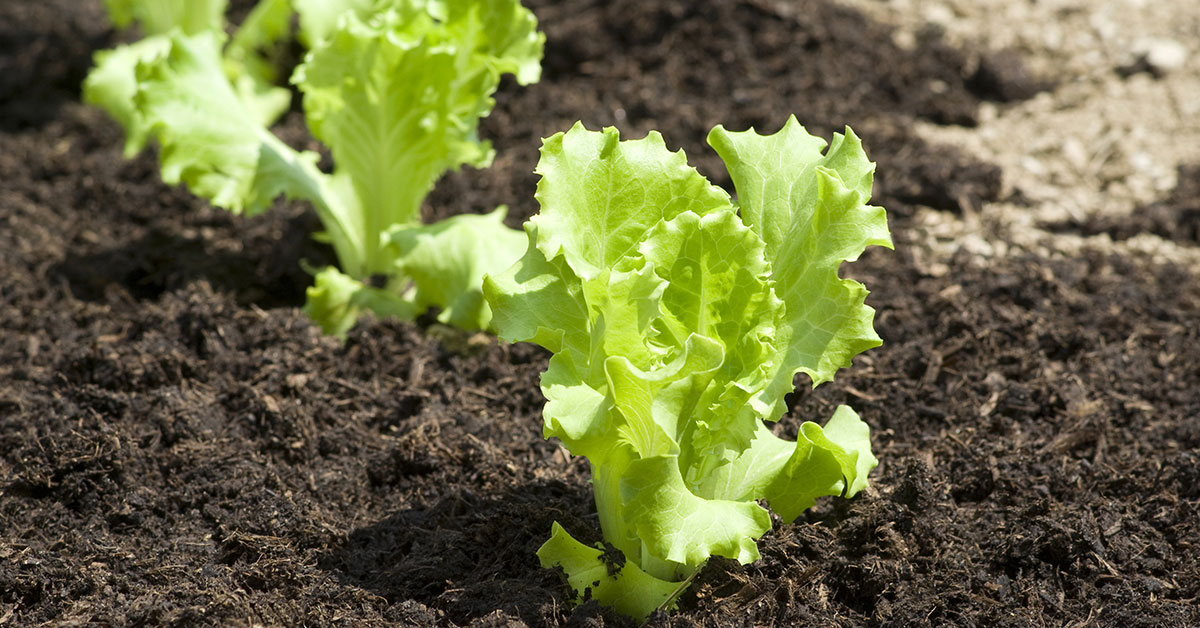

In the moderate climate of Zone 6, lettuce enthusiasts have the opportunity to cultivate thriving and abundant crops of fresh greens. With its crisp leaves, diverse varieties, and versatility in the kitchen, lettuce thrives in the mild summers and cool winters that define this gardening zone. Whether you’re an experienced gardener or a novice eager to explore the world of leafy greens, this article serves as your comprehensive guide to successfully growing lettuce in Zone 6.
From selecting the right lettuce varieties to optimizing planting schedules and implementing effective cultivation techniques, we’ll explore the tips and strategies that will help you achieve flourishing lettuce beds and enjoy a continuous supply of homegrown greens.
When to start lettuce seeds in Zone 6
In Zone 6, where the climate typically features mild winters and longer growing seasons, the timing for starting lettuce seeds can vary based on the desired harvest period. To help you plan accordingly, here’s a general guideline for when to start lettuce seeds in Zone 6:
Final frost date: Determine the average date of the last spring frost in your specific area. This information can be obtained from local agricultural extension services or by referring to gardening references specific to Zone 6. In general, the last spring frost in Zone 6 occurs around mid to late April.
Count back from the last frost date: Count back from the last frost date to determine the appropriate time for starting lettuce seeds indoors or direct sowing in the garden.
Early Spring Planting: If you wish to have an early spring harvest, start lettuce seeds indoors or in a greenhouse approximately 6 to 8 weeks before the average last spring frost date. This allows the seedlings to develop before the soil is warm enough for direct outdoor planting. Transplant the seedlings outdoors once the risk of frost has passed.w
Direct Spring Planting: Lettuce seeds can be directly sown in the garden once the soil is workable and temperatures are consistently above freezing. In Zone 6, this typically occurs around 2 to 4 weeks before the average last spring frost date, which means starting lettuce seeds in late March to early April.
Succession Planting: To enjoy a continuous supply of fresh lettuce throughout the growing season, practice succession planting. Start sowing new batches of lettuce seeds every 2 to 3 weeks from early spring to late summer. This staggered planting will provide a consistent harvest as you sow new seeds while harvesting mature lettuce plants.
Fall Planting: Lettuce can also be grown in the fall in Zone 6. Start planting lettuce seeds or seedlings about 6 to 8 weeks before the average first fall frost date, which typically occurs around mid to late October in Zone 6. This timing allows the lettuce plants to mature before colder temperatures arrive.
Remember that these guidelines are general, and it’s essential to consider your specific microclimate and local weather conditions. Monitoring the soil temperature, following the instructions on seed packets or plant labels, and consulting local gardening resources will provide more accurate information for successful lettuce cultivation in Zone 6.
When to plant lettuce in Zone 6
In Zone 6, where the climate typically features mild winters and longer growing seasons, you can plant lettuce outdoors once the risk of frost has passed and the soil is workable. Here’s a general guideline for when to plant lettuce outdoors in Zone 6, considering the approximate frost date:
- Final frost date: Determine the average date of the last spring frost in your specific area. This information can be obtained from local agricultural extension services or by referring to gardening references specific to Zone 6. In general, the last spring frost in Zone 6 occurs around mid to late April.
- Planting after the last frost: Wait until after the last spring frost to plant lettuce outdoors. Lettuce is a cool-season crop that can tolerate cool temperatures but is sensitive to frost. Planting before the frost date can put the lettuce plants at risk of damage or stunted growth.
- Direct seeding: Once the risk of frost has passed and the soil is workable, which is typically around 2 to 4 weeks before the last spring frost date, you can directly sow lettuce seeds in the garden. Prepare the soil by removing weeds and loosening it to create a suitable planting bed. Follow the recommended spacing for the specific lettuce variety and sow the seeds at the appropriate depth. Ensure the soil remains consistently moist until the seeds germinate.
- Transplanting seedlings: If you prefer to start lettuce indoors and transplant seedlings, it’s advisable to start them approximately 4 to 6 weeks before the last frost date. This allows the seedlings to grow and develop before transplanting them into the garden once the risk of frost has passed. Harden off the seedlings by gradually exposing them to outdoor conditions over the course of a week before transplanting them into the garden.
By aligning your lettuce planting date with the approximate last frost date in Zone 6, you can ensure that your lettuce plants are protected from frost and have favorable conditions for growth. It’s important to note that these are general guidelines, and local weather conditions can vary from year to year. Monitoring the weather forecast, observing local climate patterns, and consulting with experienced gardeners or local gardening resources will provide valuable insights for successful lettuce cultivation in Zone 6.
When to harvest
In Zone 6, where the climate typically features mild winters and longer growing seasons, the timing for lettuce harvest can vary depending on the specific variety and growing conditions. Here’s a general guideline for when to harvest lettuce in Zone 6, including an approximate date:
- Maturation time: The time it takes for lettuce to reach maturity can vary depending on the variety. Most lettuce varieties are ready for harvest when they have developed full-sized leaves and are crisp and tender. This typically occurs around 50 to 70 days after planting, but it’s important to refer to the specific information provided on the seed packet or plant label for more accurate timing.
- Approximate harvesting date: In Zone 6, you can typically start harvesting lettuce in early to mid-spring, depending on the specific planting time. If you started lettuce indoors and transplanted seedlings, you can expect to harvest lettuce approximately 6 to 8 weeks after transplanting. For direct-seeded lettuce, you can start harvesting approximately 6 to 8 weeks after the seeds have germinated.
- Weather considerations: Pay attention to the weather conditions in your area as the growing season progresses. Lettuce prefers cool temperatures and can bolt (go to seed) prematurely in response to heat. If you experience a sudden increase in temperatures or signs of bolting, it’s advisable to harvest the lettuce earlier to avoid bitter-tasting or tough leaves.
- Leaf harvest: For leaf lettuce varieties, you can begin harvesting individual leaves as soon as they have reached a usable size. Simply cut the outer leaves near the base of the plant, allowing the inner leaves to continue growing. This method allows for a continuous harvest throughout the season.
- Whole head harvest: For heading lettuce varieties, wait until the heads have fully formed and feel firm when gently squeezed. The outer leaves may start to overlap and cover the center of the head. To harvest, cut the entire lettuce head at the base, just above the soil surface.
- Succession planting: To ensure a continuous supply of fresh lettuce, consider practicing succession planting. Sow new batches of lettuce seeds or transplant seedlings every 2 to 3 weeks throughout the growing season. This will provide a steady harvest as you sow new seeds while harvesting mature lettuce plants.
Remember that these guidelines are general, and the specific timing may vary depending on the lettuce varieties you’re growing and the weather patterns in your area. Keep an eye on the appearance of the lettuce plants and taste-test the leaves to determine their readiness for harvest. Freshly harvested lettuce is typically at its best when it is crisp, tender, and full of flavor.