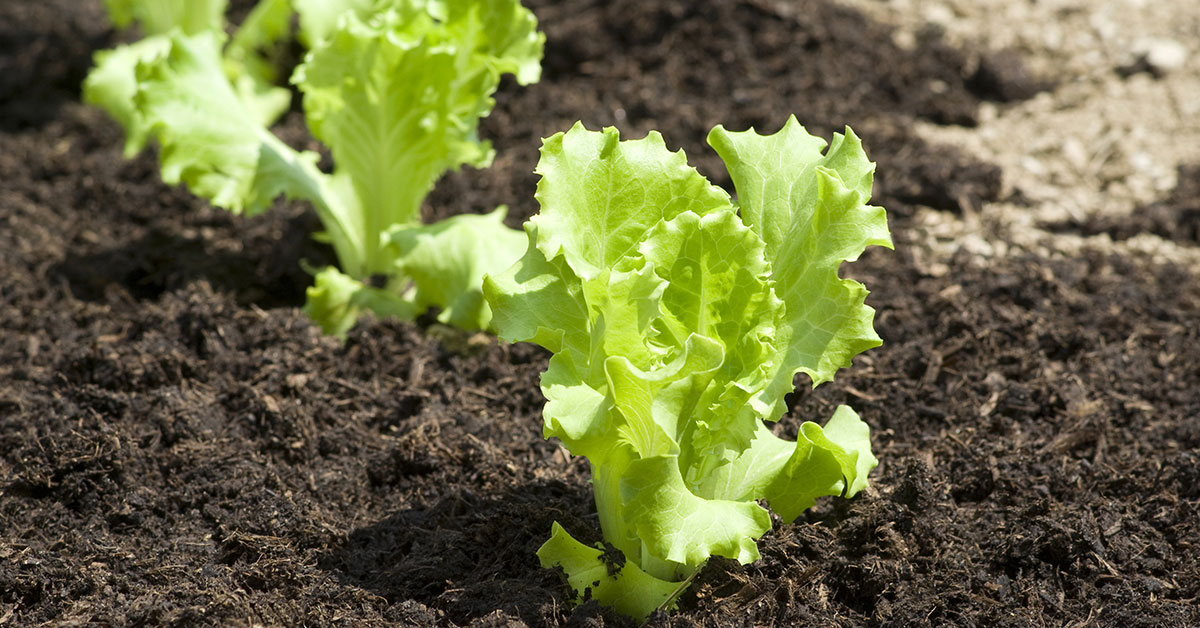

In the bountiful climate of Zone 3, gardeners have the privilege of cultivating vibrant and abundant lettuce crops. With its crisp leaves, diverse varieties, and versatility in the kitchen, lettuce thrives in the mild temperatures and extended growing season that characterize this gardening zone.
Whether you’re an experienced gardener or a novice green thumb, this article serves as your comprehensive guide to successfully growing lettuce in Zone 3. From selecting the right lettuce varieties to optimizing planting schedules and implementing effective cultivation techniques, we’ll explore the tips and strategies that will help you achieve flourishing lettuce beds and a continuous supply of fresh, homegrown greens.
Zone 3, known for its relatively mild summers and cool nights, offers ideal conditions for lettuce cultivation. In this article, we’ll delve into the intricacies of Zone 3 lettuce gardening, covering crucial topics such as site selection, soil preparation, recommended lettuce varieties, and proper care and maintenance.
We’ll also discuss the benefits of growing lettuce in this climate, from the unmatched freshness and flavor of homegrown greens to the joy of incorporating nutritious, pesticide-free produce into your daily meals.
When to start lettuce seeds in Zone 3
If you choose to start lettuce seeds indoors, it’s generally recommended to begin around 4 to 6 weeks before the average last frost date in your area. In Zone 3, the average last frost date typically falls between late May and early June. Counting backward from the average last frost date, you can start lettuce seeds indoors around mid-April to early May. This will allow the seedlings to develop and be ready for transplanting outdoors when the weather and soil have warmed up.
For direct sowing outdoors, lettuce seeds can be planted as soon as the soil can be worked in early spring. This is usually when the soil temperature reaches around 40°F (4°C) or above. Lettuce seeds can germinate and tolerate cooler soil temperatures but will require protection from late frosts. In Zone 3, using row covers or other season-extending techniques can help protect the young seedlings from potential cold snaps.
It’s important to note that lettuce prefers cooler temperatures and can bolt (go to seed) quickly when exposed to prolonged heat. To mitigate this, consider planting lettuce early in the spring or in late summer for a fall harvest, taking advantage of the cooler weather. Here’s a brief guide on planting lettuce from seed:
- Choose lettuce varieties: There are many lettuce varieties available, including loose-leaf, butterhead, romaine, and crisphead. Select varieties that suit your preferences and growing conditions. Some popular choices include ‘Green Leaf,’ ‘Red Leaf,’ ‘Buttercrunch,’ and ‘Romaine.’
- Prepare the soil: Lettuce thrives in well-draining, fertile soil. Before sowing the seeds, prepare the soil by removing any weeds and breaking up any clumps. Amend the soil with compost or well-rotted manure to improve its nutrient content.
- Sow the seeds: Lettuce seeds are small, so it’s best to sow them directly into the garden bed. Create shallow furrows or small holes in the soil, about ¼ to ½ inch deep. Space the furrows or holes about 6 to 12 inches apart, depending on the lettuce variety. Sow the seeds thinly along the furrows, and then cover them lightly with soil.
- Watering: After sowing the seeds, gently water the soil to ensure proper moisture. Lettuce requires consistent moisture, so water regularly, keeping the soil evenly moist but not waterlogged. Avoid overhead watering, as it can lead to diseases. Instead, use a watering can or drip irrigation to water at the base of the plants.
- Thinning the seedlings: Once the seedlings emerge and develop their first true leaves, thin them out to provide sufficient space for growth. Thin the seedlings to about 6 to 12 inches apart, depending on the lettuce variety. This allows the remaining plants to have enough room to develop and prevents overcrowding.
When to plant lettuce in Zone 3
In Zone 3, where the growing season is characterized by mild summers and cool nights, timing your outdoor lettuce planting is crucial for a successful harvest. Lettuce is a cool-season crop that prefers cooler temperatures for optimal growth and can tolerate light frost. The timing for planting lettuce outdoors in Zone 3 will depend on the specific conditions and climate in your area.
In general, lettuce can be directly sown outdoors as soon as the soil can be worked in early spring. This typically occurs when the soil temperature reaches around 40°F (4°C) or above. Lettuce seeds can germinate and tolerate cooler soil temperatures, but they will require protection from late frosts. Using row covers or other season-extending techniques can help safeguard the young seedlings from potential cold snaps.
Alternatively, you can also start lettuce seeds indoors 4 to 6 weeks before the average last frost date in your area. The average last frost date in Zone 3 typically falls between late May and early June. Counting backward from the average last frost date, you can start lettuce seeds indoors around mid-April to early May. This will allow the seedlings to develop and be ready for transplanting outdoors when the weather and soil have warmed up sufficiently.
For a continuous harvest, consider succession planting lettuce every few weeks throughout the growing season. This approach ensures a steady supply of fresh lettuce leaves and avoids a glut of lettuce all at once.
Remember that lettuce prefers cooler temperatures and can bolt (go to seed) quickly in prolonged heat. To mitigate this, you can also plan for a fall planting of lettuce, taking advantage of the cooler temperatures that return in late summer.
By planting lettuce in Zone 3 at the appropriate time, whether by direct seeding or transplanting seedlings, and taking protective measures against late frosts and heat, you can maximize your chances of a successful lettuce harvest and enjoy a plentiful supply of crisp and refreshing homegrown salads. Monitor the weather conditions in your specific area and adjust your planting schedule accordingly for optimal results.
Harvesting
In Zone 3, which refers to areas with very cold winters and a short growing season, the timing for lettuce harvest can be a bit challenging. Lettuce is a cool-weather crop and prefers moderate temperatures. Here are a few considerations for harvesting lettuce in Zone 3:
- Planting time: Begin by selecting lettuce varieties that are suitable for cool weather and have a shorter maturation period. Start planting lettuce seeds indoors or in a greenhouse around 4 to 6 weeks before the last expected frost date in your area. Transplant the seedlings outdoors once the soil can be worked and there is no longer a risk of frost.
- Early spring harvest: Depending on the specific lettuce variety, you can start harvesting leaves when they reach a usable size, typically around 4 to 6 weeks after transplanting. You can either harvest individual leaves by cutting them near the base or harvest the entire plant.
- Succession planting: To extend the lettuce harvest period, consider practicing succession planting. Plant new lettuce seeds or seedlings every 2 to 3 weeks throughout the growing season. This ensures a continuous supply of fresh lettuce throughout the summer.
- Protecting from heat: Lettuce is prone to bolting (going to seed) when exposed to high temperatures. In Zone 3, where summers can be relatively short, consider using shade cloth or row covers to provide some shade and protect the lettuce plants from excessive heat. This can help delay bolting and extend the harvest period.
- Fall harvest: Lettuce can also be grown in the fall, as it tolerates cool temperatures. For a fall harvest, start planting lettuce seeds or seedlings about 8 to 10 weeks before the first expected fall frost date in your area. Harvest the lettuce before the temperatures drop too low and the plants are at risk of freezing.
Keep in mind that these are general guidelines, and the specific timing may vary based on your local climate, specific lettuce varieties, and other factors. It’s always a good idea to observe your plants closely and adjust your harvesting schedule accordingly.