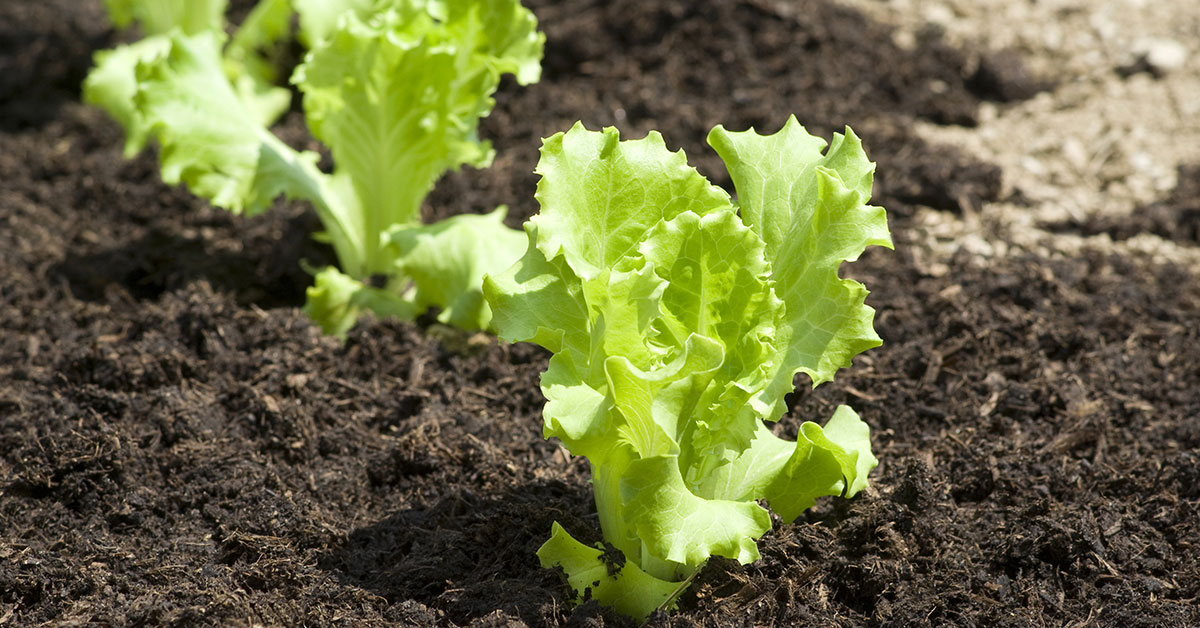

In the temperate climate of Zone 2, lettuce enthusiasts can revel in the joy of cultivating an abundant and vibrant crop. With its crisp leaves and myriad of varieties, lettuce thrives in the cool conditions that define this gardening zone. It’s definitely possible to grow a good crop of lettuce in Zone 2.
Whether you’re a seasoned green thumb or a novice gardener, this article serves as your comprehensive guide to successfully growing lettuce in Zone 2. From selecting the right varieties to mastering planting schedules and implementing effective cultivation techniques, we’ll explore the tips and strategies that will help you achieve thriving lettuce beds and bountiful harvests.
When to start lettuce seeds in Zone 2
In Zone 2, where the growing season is relatively short and frost is a possibility, starting lettuce seeds indoors or directly sowing them outdoors at the right time is essential for successful cultivation. Lettuce is a cool-season crop that thrives in cooler temperatures, but it is also sensitive to heat and frost. The timing for starting lettuce seeds will depend on whether you plan to start them indoors or sow them directly in the garden.
If you choose to start lettuce seeds indoors, it’s generally recommended to start them 4 to 6 weeks before the average last frost date in your area. In Zone 2, the average last frost date typically falls between late May and early June. Counting backward from the average last frost date, you can start lettuce seeds indoors around late March to early April. This will allow the seedlings to develop and be ready for transplanting outdoors when the weather and soil have warmed up.
Alternatively, if you prefer to sow lettuce seeds directly in the garden, you can do so as soon as the soil can be worked in early spring. This usually occurs when the soil temperature reaches around 40°F (4°C) or above. Lettuce seeds can germinate and tolerate cooler soil temperatures, but they will require protection from late frosts. In Zone 2, it’s advisable to use row covers or other season-extending techniques to safeguard the young seedlings from potential cold snaps.
When to plant lettuce in Zone 2
Lettuce is a cool-season crop that prefers cooler temperatures for optimal growth and can tolerate light frosts. To determine the appropriate time for planting lettuce outdoors in Zone 2, you need to consider the average last frost date and the preferred temperature range for lettuce growth.
In Zone 2, the average last frost date usually falls between late May and early June. To calculate the best planting time, count backward from the average last frost date using the recommended days to maturity for your chosen lettuce variety. Lettuce varieties can have varying days to maturity, typically ranging from 40 to 70 days.
For example, if you select a lettuce variety with a days to maturity of 50 days, you would subtract 50 days from the average last frost date. This calculation would indicate that you should plant your lettuce outdoors around early to mid-April.
It’s important to note that lettuce can tolerate cooler temperatures but is sensitive to prolonged exposure to frost or freezing temperatures. To protect your lettuce from late spring frosts, you can consider using season-extending techniques such as row covers, cloches, or even cold frames to provide extra insulation and protect your tender seedlings.
Harvesting
The harvesting time for lettuce in Zone 2 depends on the specific variety you’re growing and your preferences for maturity and taste.
For leaf lettuce varieties, you can begin harvesting leaves when they have reached a size of about 4 to 6 inches (10 to 15 centimeters) in length. This usually occurs around 40 to 50 days after planting. Rather than harvesting the entire plant, you can selectively pick outer leaves as needed, allowing the inner leaves to continue growing for future harvests. This “cut-and-come-again” method allows for multiple harvests from a single plant throughout the growing season.
Head lettuce varieties, such as iceberg or romaine lettuce, require a longer growing period to form tight heads. Harvesting these types of lettuce is typically done when the heads have fully developed and are firm. This generally occurs around 60 to 80 days after planting, depending on the specific variety. Look for heads that feel solid and have a tight formation before harvesting.
In Zone 2, where the growing season is shorter, it’s important to monitor the weather and consider potential frost dates. If a frost or freeze is forecasted, it’s advisable to harvest the remaining lettuce heads or leaves beforehand to prevent damage.