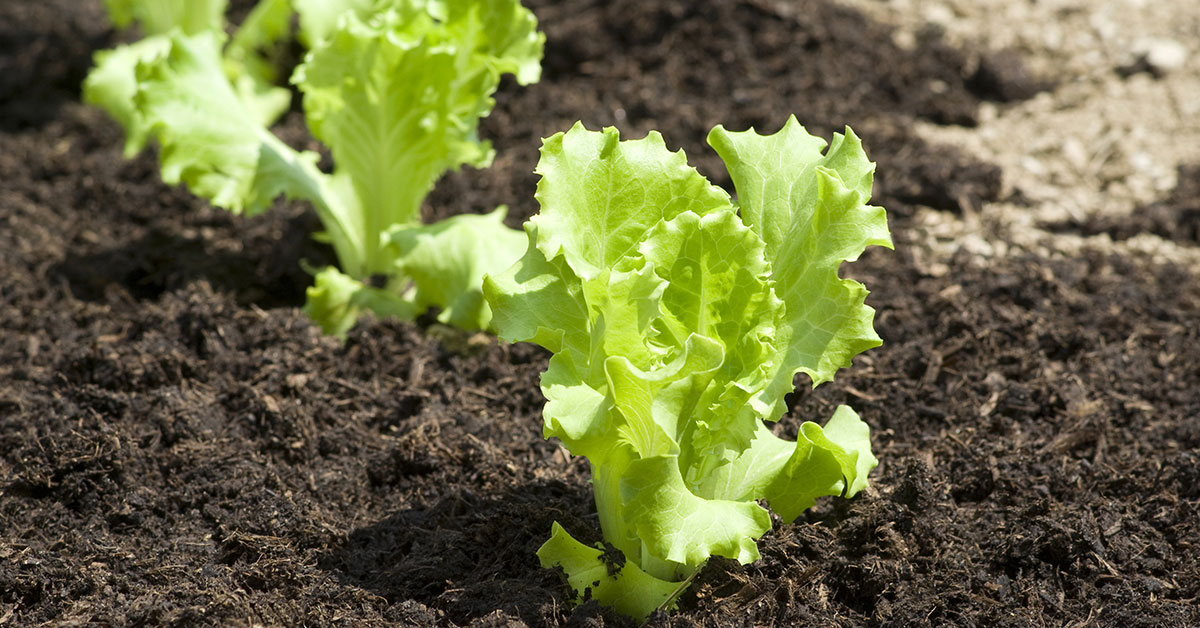

Welcome to the world of growing lettuce in Vermont! If you’re passionate about growing your own fresh and delicious lettuce, you’ve come to the right place. Vermont’s climate poses certain challenges, but with the right timing and care, you can enjoy a bountiful lettuce harvest.
In this article, we will guide you through the best time to plant lettuce in Vermont, taking into consideration the state’s short growing season and fluctuating weather patterns. Whether you’re a seasoned gardener or a beginner with a green thumb, read on to discover the optimal planting dates, recommended lettuce varieties, and essential tips to ensure a successful lettuce crop in the beautiful state of Vermont.
Best lettuce varieties to grow in Vermont
In Vermont, there are several varieties of lettuce that are well-suited for the climate and growing conditions. Here are a few popular options:
- ‘Black-Seeded Simpson’: This variety is a classic choice for Vermont gardens. It has tender, green leaves and is known for its early maturity and resistance to bolting.
- ‘Vermont Butterhead’: As the name suggests, this lettuce variety is well-adapted to the Vermont climate. It forms loose heads with tender, buttery leaves and has good heat tolerance.
- ‘Red Salad Bowl’: If you prefer a more colorful lettuce, ‘Red Salad Bowl’ is a great choice. It has deeply lobed, burgundy leaves with a mild flavor, and it is slow to bolt.
- ‘Romaine’: Romaine lettuce varieties, such as ‘Parris Island’ or ‘Jericho,’ can also be grown successfully in Vermont. Romaine lettuces have crisp, upright heads and are known for their excellent flavor.
- ‘Mesclun Mix’: If you enjoy a mix of different lettuce varieties, consider planting a mesclun mix. These blends typically include a combination of lettuce types, such as oak leaf, Lollo Rossa, and other cut-and-come-again varieties.
Remember to consider your specific location in Vermont and any microclimates you may have in your garden. Additionally, it’s always a good idea to consult with local nurseries or experienced gardeners in your area for variety recommendations based on your specific gardening conditions.
When to plant Lettuce in Vermont
In Vermont, the hardiness zones range from 3a to 5b. These zones are determined based on the average minimum winter temperatures, which help gardeners determine the suitability of various plant species in their region.
Zone 3a is found in the northern parts of the state, where the average minimum temperature ranges from -40°F to -35°F (-40°C to -37°C). Zone 5b, on the other hand, is found in the southern regions, with average minimum temperatures ranging from -15°F to -10°F (-26°C to -23°C). The difference in hardiness zones across the state is due to the varying elevations and microclimates.
For lettuce, which is a cool-season crop, the best time to plant in Vermont is typically in the early spring or late summer/early fall. Lettuce prefers cool temperatures, with optimum growth occurring between 55°F and 75°F (13°C to 24°C). Planting in the spring allows for a good harvest before the heat of summer, while planting in the fall can provide a late-season crop.
In Zone 3a, it is best to start lettuce indoors around mid to late April and transplant seedlings outdoors in late May or early June, once the soil has warmed up and the threat of frost has passed. In Zone 5b, lettuce can be directly sown in the garden as early as mid-April or in late August for a fall crop.
However, it’s important to note that weather conditions can vary from year to year, so it’s always a good idea to keep an eye on the local weather forecast and adjust your planting schedule accordingly. Additionally, lettuce can tolerate light frosts, but prolonged exposure to freezing temperatures can damage or kill the plants. To protect your lettuce from unexpected late spring or early fall frosts, you can use row covers or cloches to provide some insulation.
Overall, by paying attention to the hardiness zones and the specific needs of lettuce, gardeners in Vermont can enjoy successful lettuce crops in both the spring and fall seasons.
When to harvest Lettuce in Vermont
The optimal time to harvest lettuce in Vermont is typically in the late spring or early summer when the weather is cool. Lettuce prefers cooler temperatures and can start to bolt or become bitter when exposed to too much heat. In Vermont, this is usually around late May to early June. However, the exact timing can vary depending on the specific variety of lettuce you are growing and the weather conditions in a given year. It’s important to monitor your lettuce plants closely and harvest them when the leaves are at their desired size and before they start to flower or become tough.
Other considerations
When growing lettuce in Vermont, there are several other considerations to keep in mind:
- Cold Tolerance: Lettuce is a cool-season crop and can tolerate light frosts. However, in Vermont’s colder climate, it is essential to choose lettuce varieties that are specifically bred for cold tolerance, such as ‘Winter Density’ or ‘Arctic King.’ These varieties can withstand colder temperatures and continue to grow.
- Timing: Start lettuce seeds indoors about 4-6 weeks before the last expected frost date. Transplant young seedlings into the garden when the soil is workable and temperatures are consistently above freezing. In Vermont, this is typically in late April or early May, depending on the specific location.
- Soil Preparation: Lettuce prefers well-drained soil with plenty of organic matter. Before planting, amend the soil with compost or well-rotted manure to improve its fertility and moisture-holding capacity. Consider doing a soil test to determine if any specific nutrients need to be added.
- Sun Exposure: Lettuce prefers partial shade to full sun. In Vermont, where summers can be hot, providing some shade during the hottest part of the day can help prevent lettuce from bolting or becoming bitter.
- Watering: Adequate and consistent moisture is crucial for lettuce. Keep the soil evenly moist, especially during dry spells. Mulching around the plants can help retain moisture and reduce weed growth.
- Pest Control: Vermont has its share of common pests that can damage lettuce, such as slugs, aphids, and cutworms. Monitor your plants regularly and take appropriate action if you notice any signs of pest infestation. Organic pest control methods, such as handpicking or using insecticidal soap, can be effective.
- Harvesting: Lettuce is best harvested when the leaves are young and tender. Depending on the variety, you can start harvesting outer leaves when they reach a suitable size, or you can cut the whole head off at ground level. Harvesting regularly will encourage new growth and prolong the harvest season.
- Succession Planting: To ensure a continuous supply of lettuce throughout the growing season, consider practicing succession planting. Sow new seeds every 2-3 weeks to ensure a steady crop.
By considering these factors, you can increase your chances of successfully growing lettuce in Vermont’s unique climate.