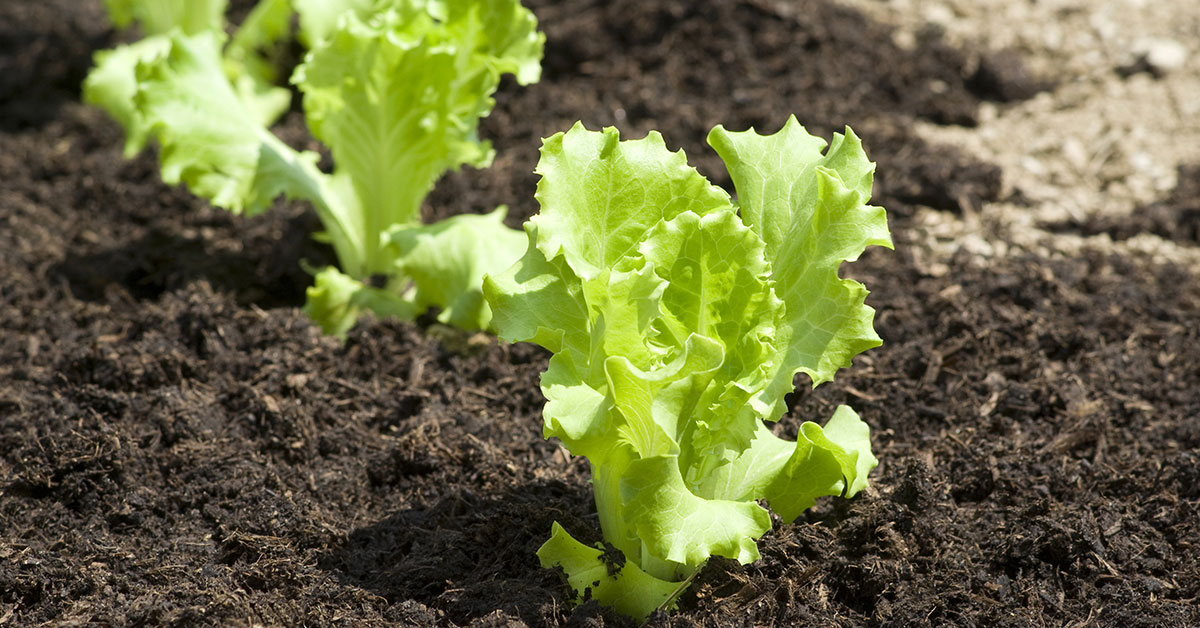

Welcome to the world of growing lettuce in the UK! If you’re looking to grow your own delicious lettuce, you’ve come to the right place. Lettuce is a versatile and nutritious leafy green that can be grown easily in the UK, but timing is key when it comes to planting.
In this article, we will explore the best time to plant lettuce in the UK, taking into consideration the country’s unique climate and seasons. Whether you’re a seasoned gardener or a beginner looking to embark on your first gardening adventure, understanding the optimal planting time for lettuce will set you on the path to success in growing this crisp and refreshing vegetable. So grab your gardening gloves and let’s dive into the world of lettuce planting in the UK!
Best types of lettuce to grow in the UK
There are several great varieties of lettuce that perform well in the UK climate. Here are a few popular choices:
- ‘Little Gem’: This is a compact variety with small, crisp leaves. It is known for its sweet flavor and is great for salads and sandwiches.
- ‘Cos’ or ‘Romaine’: This variety has long, upright leaves and a crunchy texture. It is often used in Caesar salads and adds a nice bite to sandwiches.
- ‘Iceberg’: This classic variety forms a tight head and has a mild flavor. It is commonly used in salads and sandwiches.
- ‘Oakleaf’: This variety has attractive, lobed leaves and a mild, sweet flavor. It is a great choice for mixed salads and adds a nice visual appeal.
- ‘Salad Bowl’: This variety is known for its fast growth and continuous leaf production. It has tender, loose leaves and is perfect for cut-and-come-again harvesting.
- ‘Lollo Rossa’: This variety has frilly, burgundy-red leaves that add a pop of color to salads. It has a mild, slightly bitter flavor.
These are just a few examples of the many lettuce varieties available. It’s always a good idea to experiment with different types to find the ones that suit your taste preferences and growing conditions best.
When to plant Lettuce in the UK
In the UK, the hardiness zones are determined by the Royal Horticultural Society (RHS) and are based on the average minimum winter temperatures experienced in different regions. These zones help gardeners choose plants that are suited to their specific climate. The UK is generally divided into four main hardiness zones: H1 (below -5°C), H2 (-5°C to -1°C), H3 (-1°C to -5°C), and H4 (above -5°C).
When it comes to planting lettuce in the UK, it is important to consider both the hardiness zone and the specific requirements of the lettuce variety you wish to grow. Lettuce is a cool-season crop that prefers mild temperatures and does not tolerate heat well. It can be grown throughout the year, but the best time to plant lettuce in the UK is during the cooler months.
In areas with milder winter temperatures (zones H1 and H2), lettuce can be sown directly into the ground from late summer to early autumn, typically between August and September. This timing allows the lettuce to establish before the onset of colder weather, and it can be harvested in late autumn or early winter.
In regions with colder winter temperatures (zones H3 and H4), it is best to start lettuce indoors or in a greenhouse. Sow the seeds in trays or pots around late winter or early spring, usually in February or March. This will give the lettuce a head start, and once the risk of frost has passed, usually in April or May, you can transplant the seedlings into your garden or containers.
It is important to note that lettuce thrives in fertile, well-draining soil. Ensure that the soil is rich in organic matter and has good moisture retention. Regular watering and protection from excessive heat or prolonged periods of cold are also important for successful lettuce cultivation.
By considering your region’s hardiness zone and following the appropriate planting timeline, you can maximize your chances of growing healthy and delicious lettuce in the UK.
When to harvest Lettuce in the UK
The optimal time to harvest lettuce in the UK depends on the variety and the growing conditions. However, in general, lettuce is ready to harvest when it has reached a desirable size and the leaves are tender and crisp.
For loose-leaf lettuce varieties, you can begin harvesting individual leaves as soon as they reach around 2-3 inches in length. This allows the plant to continue growing and producing more leaves for multiple harvests.
For head lettuce varieties, you can harvest the entire head when it has formed a tight, compact shape and feels firm to the touch. This usually occurs around 8-12 weeks after planting, but it can vary depending on the specific variety.
It’s important to monitor the growth of your lettuce plants regularly and harvest them before they bolt or develop a bitter taste. Bolting is when the lettuce plant starts to produce a tall flower stalk, which indicates that it is nearing the end of its life cycle.
In the UK, lettuce can be grown in both spring and autumn. In spring, you can start harvesting lettuce as early as April, depending on the weather and when you planted the seeds. In autumn, you can start harvesting lettuce from September until the first frost.
Remember to harvest lettuce in the early morning or evening when the temperatures are cooler, as this helps to maintain its crispness and flavor.
Other considerations
When growing lettuce in the UK, there are several considerations to keep in mind:
- Climate: Lettuce prefers cool weather, so it is important to choose the right variety that is suitable for the UK climate. Look for varieties that are known to perform well in cooler temperatures.
- Soil: Lettuce grows best in well-draining soil that is rich in organic matter. Before planting, ensure that the soil is loose and fertile. Adding compost or well-rotted manure can help improve the soil’s fertility.
- Sunlight: While lettuce prefers cooler temperatures, it still needs a good amount of sunlight to grow properly. Choose a location that receives at least 6 hours of direct sunlight per day.
- Watering: Lettuce has shallow roots, so it is important to keep the soil evenly moist. Water the plants regularly, especially during dry spells, to prevent them from wilting or bolting.
- Mulching: Applying a layer of organic mulch around lettuce plants can help conserve moisture, suppress weeds, and maintain cooler soil temperatures.
- Pests and diseases: Lettuce can be susceptible to certain pests and diseases, such as aphids, slugs, snails, and downy mildew. Monitor your plants regularly and take appropriate measures, such as using organic pest control methods or companion planting, to prevent or manage these issues.
- Succession planting: Lettuce has a relatively short growing season, so consider planting in succession to ensure a continuous harvest. Sow seeds every few weeks, or plant different varieties with varying maturity dates.
- Harvesting: Lettuce leaves can be harvested when they are young and tender, or you can wait for the heads to fully form. Harvesting outer leaves regularly can encourage the plant to continue producing more leaves.
By considering these factors, you can increase your chances of successfully growing lettuce in the UK.