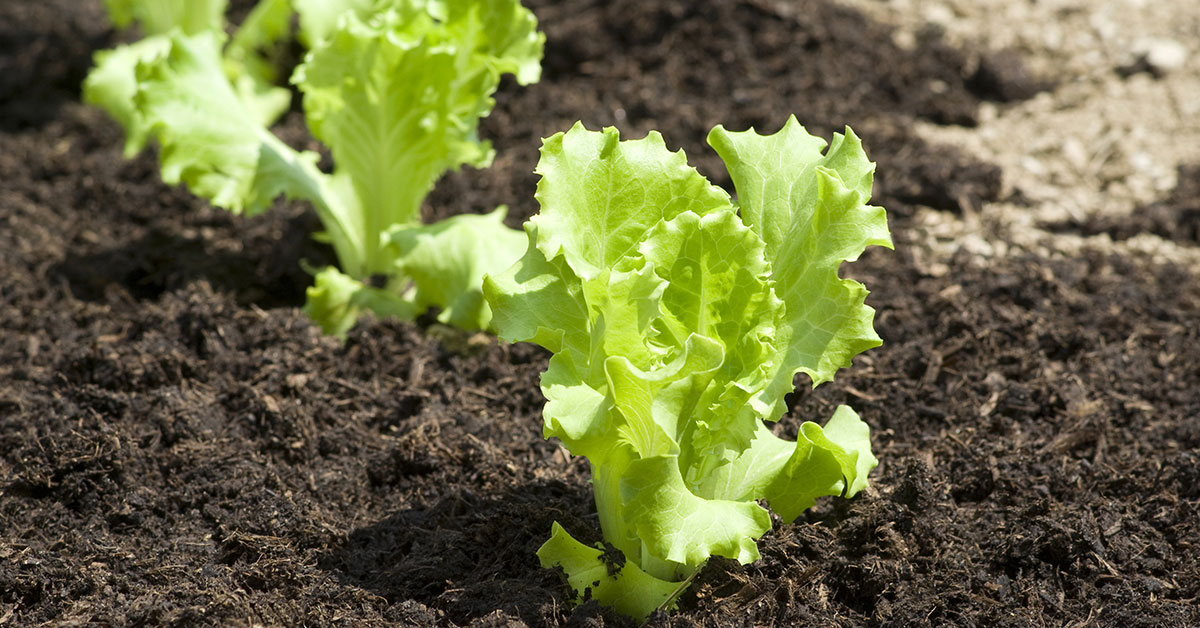

If you’re a resident of Tennessee and have a green thumb, you may be wondering about the best time to plant lettuce in Tennessee. Lettuce, a cool-season vegetable, thrives in moderate temperatures and can be a delightful addition to any garden.
Timing is crucial when it comes to planting lettuce, as planting too early or too late can lead to poor germination, bolting, or stunted growth. In this article, we will delve into the optimal time to sow lettuce seeds or transplant seedlings in Tennessee, taking into account the state’s climate and seasonal changes.
Whether you’re a seasoned gardener or a beginner, understanding the ideal planting window will help you achieve a bountiful harvest of crisp and flavorful lettuce leaves.
Best lettuce varieties to grow in Tennessee
There are several lettuce varieties that grow well in Tennessee’s climate. Some popular choices include:
- Butterhead Lettuce (e.g., Bibb, Boston, or Buttercrunch): These varieties have tender leaves and a sweet, buttery flavor. They form loose heads and are known for their hearty growth.
- Romaine Lettuce: Romaine lettuce has elongated, upright leaves with a crispy texture and slightly bitter taste. It is a great option for salads and sandwiches.
- Looseleaf Lettuce: This type of lettuce includes varieties like Red Sails, Salad Bowl, and Black Seeded Simpson. They have loose, non-heading leaves and come in various colors, providing a beautiful mix for salads.
- Oakleaf Lettuce: Oakleaf lettuce has distinctive lobed leaves resembling oak tree leaves. It comes in both green and red varieties and has a mild, delicate flavor.
- Crisphead Lettuce (Iceberg): While iceberg lettuce can be challenging to grow in hotter climates, with proper care and attention, it can be successful in Tennessee. It forms tight, compact heads with crisp leaves.
Remember to choose lettuce varieties that are suitable for your specific planting zone within Tennessee and consider factors such as heat tolerance and disease resistance.
When to plant Lettuce in Tennessee
Tennessee is divided into four main hardiness zones: Zone 6a, Zone 6b, Zone 7a, and Zone 7b. These zones are determined by the average minimum winter temperatures in each region, which helps gardeners select plants that can thrive in their specific climate.
In Zone 6a, the average minimum winter temperature ranges from -10 to -5 degrees Fahrenheit (-23 to -21 degrees Celsius). In Zone 6b, the average minimum winter temperature ranges from -5 to 0 degrees Fahrenheit (-21 to -18 degrees Celsius). These regions experience colder winters, and the growing season typically starts in early to mid-April.
In Zone 7a, the average minimum winter temperature ranges from 0 to 5 degrees Fahrenheit (-18 to -15 degrees Celsius). In Zone 7b, the average minimum winter temperature ranges from 5 to 10 degrees Fahrenheit (-15 to -12 degrees Celsius). These regions have milder winters compared to Zone 6, and the growing season starts in mid to late March.
Now, let’s talk about when to plant lettuce in Tennessee. Lettuce is a cool-season crop that prefers temperatures between 45 and 75 degrees Fahrenheit (7 to 24 degrees Celsius). It grows well in early spring and fall when temperatures are cooler.
For Zone 6a and 6b, the best time to plant lettuce is in early to mid-April when the soil has warmed up and the risk of frost has passed. You can also plant lettuce in late summer for a fall crop, starting around mid-August.
In Zone 7a and 7b, you can start planting lettuce a bit earlier, around mid-March, as these regions have milder winters. You can also plant lettuce in late summer for a fall crop, starting in late August.
It’s important to note that these are general guidelines, and weather conditions can vary from year to year. It’s always a good idea to check the local weather forecast and monitor soil temperatures before planting. Additionally, consider using row covers or other protective measures to extend the growing season and protect the lettuce from any unexpected late frosts.
When to harvest Lettuce in Tennessee
The optimal time to harvest lettuce in Tennessee depends on the variety of lettuce you are growing and the weather conditions. However, in general, lettuce is a cool-season crop and is typically ready for harvest when the leaves are large enough to be used but before they start to bolt (go to seed) or become bitter.
In Tennessee, the spring and fall seasons are ideal for growing lettuce. In the spring, you can start harvesting lettuce around 30-45 days after planting, depending on the specific variety and weather conditions. Lettuce can tolerate light frosts, so you can start harvesting even earlier if you have protected your plants from extreme cold.
During the fall season, you can sow lettuce seeds around mid to late August or early September to ensure a good harvest. Harvesting can begin 40-60 days after sowing, again depending on the variety and weather.
It’s important to monitor your lettuce plants closely and harvest leaves as needed. You can either harvest the outer leaves while leaving the central ones to continue growing or cut the entire lettuce head at the base, depending on the type of lettuce you are growing.
Remember to keep an eye on the weather forecast, as extreme heat can cause lettuce to bolt and turn bitter. Providing shade or using row covers can help prolong the harvest period during warmer months.
Overall, regularly monitoring your lettuce plants and harvesting when the leaves are at their prime will ensure the best flavor and texture for your harvest in Tennessee.
Other considerations
When growing lettuce in Tennessee, there are several other considerations to keep in mind:
- Temperature: Lettuce prefers cool temperatures and can be sensitive to heat. In Tennessee, it is important to plan your lettuce planting around the weather. Spring and fall are typically the best times to grow lettuce in this region, as the temperatures are cooler. You can also choose to grow lettuce in shade or use shade cloth to protect it from excessive heat during the summer months.
- Soil: Lettuce prefers well-draining soil that is rich in organic matter. Before planting, amend the soil with compost or well-rotted manure to improve its fertility and moisture-retaining capacity. Conduct a soil test to determine if any additional nutrients are needed, and adjust the pH level if necessary. Aim for a slightly acidic soil pH of around 6.0 to 6.5.
- Watering: Adequate and consistent watering is crucial for lettuce. In Tennessee’s warmer climate, lettuce may require more frequent watering to prevent the soil from drying out. Water deeply and evenly, making sure the soil remains consistently moist but not waterlogged. Mulching around the plants can help retain moisture and reduce weed growth.
- Pest and disease management: Keep an eye out for common pests such as aphids, slugs, snails, and flea beetles. Regularly inspect your plants for signs of damage and take appropriate measures, such as hand-picking pests or using organic insecticides if necessary. Additionally, diseases like powdery mildew and downy mildew can affect lettuce. To minimize the risk, provide adequate air circulation by spacing plants properly, avoid overhead watering, and promptly remove any infected leaves or plants.
- Crop rotation: Rotate your lettuce crops each year to prevent the buildup of pests and diseases in the soil. Avoid planting lettuce in the same spot more than once every three years. This practice helps maintain soil health and reduces the risk of plant-specific issues.
- Varieties: Choose lettuce varieties that are heat-tolerant or bolt-resistant, as they are better suited for Tennessee’s climate. Some recommended varieties include ‘Jericho’, ‘Red Sails’, ‘Buttercrunch’, and ‘Black Seeded Simpson’. Check with your local cooperative extension or garden center for specific cultivars suited to your region.
By considering these factors and implementing appropriate strategies, you can successfully grow lettuce in Tennessee and enjoy a bountiful harvest.