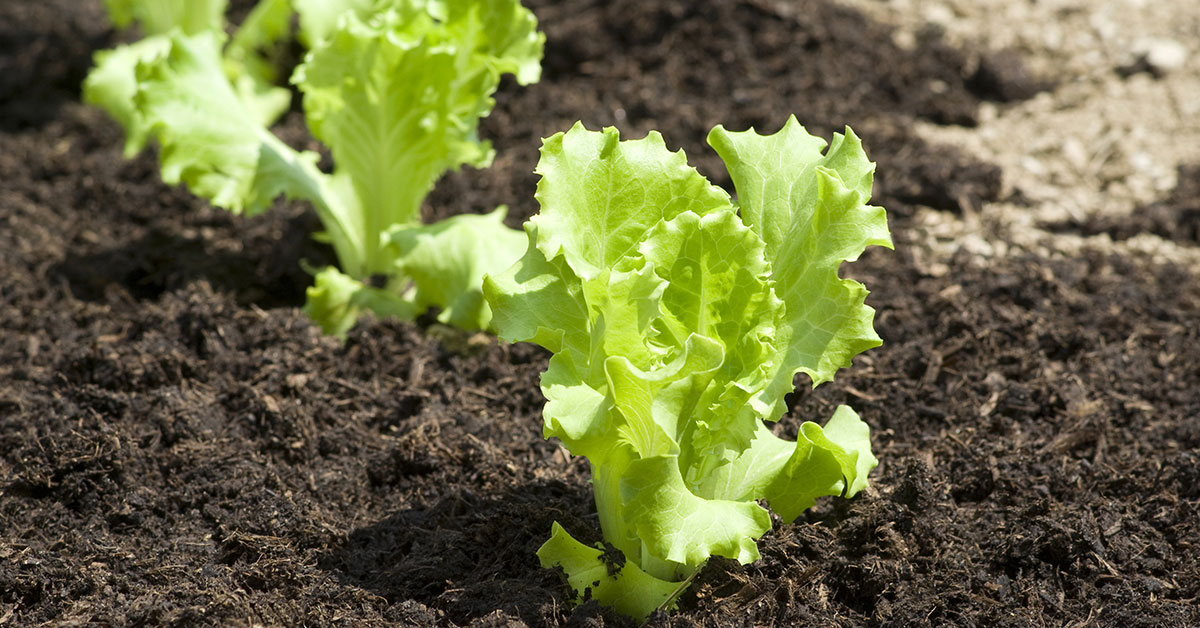

Lettuce, with its crisp and refreshing taste, is a staple in many salads and sandwiches. If you’re a gardening enthusiast in South Dakota, you may be wondering when the best time is to plant lettuce in this region. With its unique climate and growing conditions, growing lettuce in South Dakota presents its own set of challenges and opportunities.
In this article, we will delve into the factors you need to consider and the ideal planting times to ensure a successful lettuce harvest in South Dakota. So, grab your gardening tools and get ready to learn all about when to plant lettuce in the great state of South Dakota!
Best lettuce varieties for South Dakota gardens
When it comes to growing lettuce in South Dakota, it’s important to choose varieties that are well-suited to the region’s climate and growing conditions. Lettuce is a cool-season crop that thrives in moderate temperatures, making it a popular choice for gardeners in this area. Here are some of the best lettuce varieties that you can consider for your South Dakota garden:
- Butterhead Lettuce: Butterhead lettuce, also known as Bibb or Boston lettuce, is a popular choice for its tender leaves and mild flavor. Varieties like ‘Buttercrunch’ and ‘Bibb’ are well-suited to South Dakota’s climate. These varieties form loose heads and are relatively easy to grow.
- Romaine Lettuce: Romaine lettuce is another excellent option for South Dakota gardeners. Its crisp texture and slightly bitter taste make it a favorite for salads and sandwiches. Varieties like ‘Parris Island’ and ‘Romaine’ are good choices for this region. Romaine lettuce tends to be more heat-tolerant compared to other lettuce types.
- Loose-leaf Lettuce: Loose-leaf lettuce varieties are among the easiest to grow and offer a wide range of colors and textures. Varieties like ‘Red Salad Bowl’ and ‘Black Seeded Simpson’ are ideal for South Dakota gardens. These lettuces do not form tight heads and can be harvested leaf by leaf.
- Crisphead Lettuce: While crisphead lettuce, also known as iceberg lettuce, requires more care and attention, it can still be grown successfully in South Dakota. Varieties like ‘Iceberg’ and ‘Great Lakes’ are well-suited to this region. Crisphead lettuce forms tight, compact heads and has a refreshing crunch.
- Leaf Lettuce Mixes: If you want to enjoy a variety of lettuce flavors and textures, consider planting a mix of different leaf lettuce varieties. These mixes often include a combination of red and green lettuces, providing a beautiful and tasty assortment for your salads.
When selecting lettuce varieties for South Dakota, it’s important to consider the average temperatures, sunlight, and available garden space. Additionally, pay attention to the days to maturity, as some varieties mature faster than others. By choosing the right lettuce varieties for your South Dakota garden, you can enjoy a bountiful harvest of fresh, homegrown lettuce throughout the growing season.
When to plant Lettuce in South Dakota
Lettuce is a versatile and nutritious leafy green that can be easily grown in home gardens. However, the success of growing lettuce largely depends on the timing of planting. In South Dakota, where the climate can be challenging, it is important to consider the region’s USDA hardiness zone when deciding when to plant lettuce. In this section, we will explore the ideal time to sow lettuce seeds or transplant seedlings in South Dakota, based on the USDA hardiness zone classification.
The USDA hardiness zone map is a valuable tool for gardeners as it provides information on the average minimum winter temperatures in different regions. This information helps gardeners select plants that are suitable for their specific climate conditions. South Dakota falls under USDA hardiness zones 3 to 5, which means the state experiences cold winters with temperatures ranging from -40°F to -10°F (-40°C to -23°C).
Lettuce is a cool-season crop that thrives in cooler temperatures, making it suitable for planting in South Dakota’s spring and fall seasons. Here’s a general guideline for planting lettuce in South Dakota based on the USDA hardiness zone:
Zone 3:
In Zone 3, the average last frost date typically occurs in late May. It is advisable to wait until after the last frost to plant lettuce seeds directly in the ground or transplant seedlings. Alternatively, you can start lettuce seeds indoors 4 to 6 weeks before the last frost date and then transplant the seedlings into the garden once the risk of frost has passed.
Zone 4:
In Zone 4, the average last frost date usually falls in mid to late May. Similar to Zone 3, it is best to wait until after the last frost to sow lettuce seeds or transplant seedlings. Starting seeds indoors a few weeks before the last frost can give you a head start on the growing season.
Zone 5:
Zone 5 has an average last frost date in early to mid-May. You can start planting lettuce seeds or transplanting seedlings directly in the ground around this time. However, keep an eye on the weather forecast and be prepared to protect young lettuce plants from any unexpected late frosts.
Knowing the USDA hardiness zone of your region is crucial for successful lettuce cultivation in South Dakota. By following the planting guidelines mentioned above, you can ensure that your lettuce plants have the best chance of thriving in the state’s sometimes harsh climate. With proper timing and care, you can enjoy a bountiful harvest of fresh, crisp lettuce from your own backyard.
When to harvest Lettuce in South Dakota
Lettuce is a popular crop in South Dakota, and knowing the right time to harvest it is essential for a successful yield. Timing is crucial as harvesting too early or too late can affect the taste, quality, and overall success of your lettuce crop. In this blog section, we will discuss the optimal time to harvest lettuce in South Dakota.
- Look for the right size: The size of the lettuce head is a good indicator of its readiness for harvest. Most lettuce varieties are ready to be harvested when they have formed a firm head or reached a desirable size. The size can vary depending on the specific lettuce variety you are growing, but generally, you should aim for heads that are compact, full, and mature.
- Check the color and texture: The color and texture of the lettuce leaves can also provide clues about its readiness for harvest. Ideally, the leaves should be vibrant green and crisp. Avoid harvesting lettuce with leaves that are yellowing, wilting, or showing signs of disease or pest damage. These indicators may suggest that the lettuce is past its prime and may not taste as good.
- Consider the weather: South Dakota’s weather conditions can greatly impact lettuce growth and maturity. Pay attention to the temperature and weather patterns in your region. Lettuce grows best in cooler temperatures, so if the weather becomes consistently warm, it may be time to harvest your lettuce before it bolts or becomes bitter. Keep an eye on the forecast and plan your harvest accordingly.
- Conduct taste tests: If you are unsure about the readiness of your lettuce, conduct taste tests. Harvest a small leaf or two from different plants and sample them. If the flavor is mild, fresh, and pleasing, it’s a good indication that your lettuce is ready to be harvested. However, if the taste is bitter or overly strong, it may be a sign that the lettuce has matured beyond its peak.
- Harvest in the morning: For the best quality and flavor, it is recommended to harvest lettuce in the morning when the leaves are crisp and full of moisture. Avoid harvesting lettuce when it is wet from rain or irrigation, as this can increase the risk of spoilage during storage.
Remember, lettuce is a fast-growing crop, and timing is crucial. Harvesting at the right time will ensure that you enjoy the freshest and most flavorful lettuce from your South Dakota garden. By considering the size, color, texture, weather conditions, and conducting taste tests, you can confidently harvest your lettuce at its peak for a delicious and satisfying crop.
Other considerations for growing Lettuce in South Dakota
When it comes to growing lettuce in South Dakota, there are a few other considerations that are important to keep in mind. While lettuce is a relatively easy crop to grow, understanding these additional factors can help ensure a successful harvest. In this section, we will explore three key considerations for growing lettuce in South Dakota: soil conditions, temperature, and water requirements.
- Soil Conditions:
Lettuce grows best in loose, well-draining soil that is rich in organic matter. In South Dakota, the soil tends to be heavy clay or sandy, which can pose some challenges for lettuce cultivation. To improve the soil structure, consider adding compost or well-rotted manure before planting. This will enhance drainage, increase nutrient availability, and promote healthy root development. Additionally, regular soil testing can help you understand the nutrient composition of your soil and determine any necessary amendments. - Temperature:
Lettuce is a cool-season crop that thrives in temperatures between 45°F and 75°F (7°C to 24°C). In South Dakota, the climate can be quite variable, with cold winters and hot summers. To successfully grow lettuce, it’s important to take advantage of the cooler seasons. Start planting lettuce seeds as soon as the soil can be worked in the spring, typically around late April or early May. To extend the growing season, consider using row covers or cold frames to protect the lettuce from frost in the fall. - Water Requirements:
Lettuce has shallow roots and requires consistent moisture to grow well. In South Dakota, where rainfall may be sporadic, it’s crucial to monitor soil moisture levels and provide adequate irrigation. Aim to keep the soil evenly moist but not waterlogged. Mulching around the lettuce plants can help retain moisture and prevent weed growth. Additionally, watering in the early morning or late afternoon will minimize evaporation and ensure that the plants have enough time to dry before cooler evening temperatures set in, reducing the risk of disease.
By considering these factors, you can overcome some of the challenges specific to growing lettuce in South Dakota. With proper soil preparation, attention to temperature, and careful watering practices, you can enjoy a bountiful harvest of fresh, crisp lettuce leaves right from your own garden. Stay tuned for the next section, where we will discuss pest and disease management strategies for growing lettuce in South Dakota.