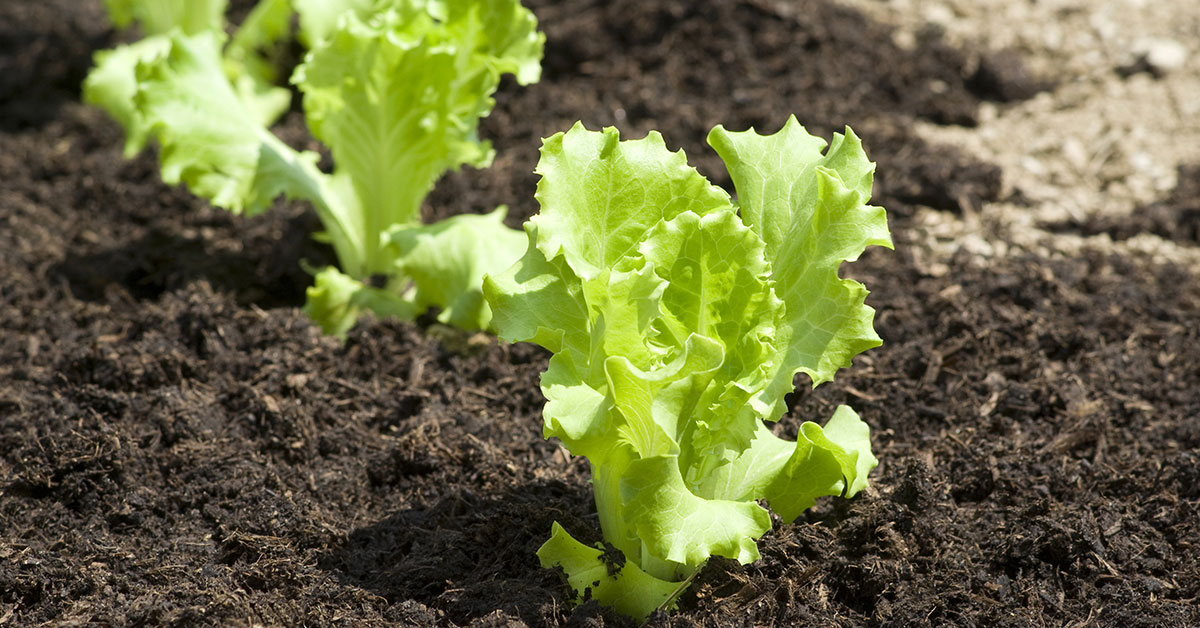

When it comes to growing your own vegetables, there’s nothing quite as satisfying as the crisp, fresh taste of homegrown lettuce. Whether you’re a seasoned gardener or a beginner looking to try your hand at growing your own food, knowing the right time to plant lettuce in Oklahoma is crucial for a successful harvest.
With its mild winters and hot summers, Oklahoma presents a unique set of challenges and opportunities for lettuce growers. In this article, we will explore the optimal planting times, best varieties to choose from, and essential tips to help you cultivate a thriving lettuce crop in the Sooner State. So, grab your gardening gloves and let’s dive into the world of lettuce cultivation in Oklahoma!
Best lettuce varieties for Oklahoma gardens
When it comes to growing lettuce in Oklahoma, selecting the right varieties is crucial for a successful harvest. The state’s unique climate and weather patterns require lettuce varieties that can tolerate both hot summers and occasional cold snaps. Here are some of the top lettuce varieties that thrive in Oklahoma:
- Black Seeded Simpson: This heirloom lettuce variety is a favorite among Oklahoma gardeners. It has loose, tender leaves that are light green in color. Black Seeded Simpson is known for its heat tolerance and ability to grow quickly, making it an ideal choice for Oklahoma’s hot summers.
- Buttercrunch: Buttercrunch lettuce is a popular choice for its sweet, buttery flavor and crisp texture. It forms loose heads with slightly ruffled leaves. This variety is well-suited for Oklahoma’s cooler spring and fall seasons, as it can withstand light frosts.
- Red Sails: If you’re looking to add a pop of color to your garden, Red Sails lettuce is an excellent choice. This variety features attractive, deep red leaves that add visual interest to salads. Red Sails is heat tolerant and slow to bolt, making it suitable for Oklahoma’s unpredictable weather.
- Oakleaf: Oakleaf lettuce is prized for its delicate, oak-shaped leaves and mild flavor. It comes in both green and red varieties and is known for its resistance to bolting in hot weather. Oakleaf lettuce can be harvested as young, tender leaves or left to grow into loose heads.
- Romaine: Romaine lettuce is a classic choice for salads and sandwiches. It has elongated, sturdy leaves and a crisp texture. Romaine lettuce is known for its heat tolerance and resistance to bolting, making it a reliable option for Oklahoma gardeners.
Remember, the success of your lettuce crop not only depends on the variety you choose but also on proper care and maintenance. Adequate watering, regular fertilization, and protection from extreme weather conditions are essential for a bountiful harvest.
By selecting the right lettuce varieties for Oklahoma’s climate, you can enjoy a continuous supply of fresh, homegrown lettuce throughout the growing season. Whether you prefer the classic crunch of Romaine or the vibrant color of Red Sails, these lettuce varieties are sure to thrive in your Oklahoma garden.
When to plant Lettuce in Oklahoma
Welcome to our blog post about growing lettuce in Oklahoma! If you’re a gardening enthusiast or simply interested in growing your own fresh produce, this post is for you. In this article, we will discuss the best time to plant lettuce in Oklahoma, taking into consideration the region’s USDA hardiness zone. So, let’s dive in and learn more about growing lettuce in the Sooner State!
Before we delve into when to plant lettuce in Oklahoma, it’s important to understand the concept of USDA hardiness zones. These zones categorize regions based on their average annual minimum temperature, helping gardeners determine which plants are most likely to thrive in their area.
Oklahoma is located in USDA hardiness zones 6 and 7, with the western part of the state falling mostly in zone 6 and the eastern part in zone 7. These zones provide valuable information regarding the types of plants that can withstand the local climate and temperature fluctuations.
Now that we have a better understanding of Oklahoma’s USDA hardiness zones, let’s discuss the ideal time to plant lettuce in this region. Lettuce is a cool-season crop that prefers mild temperatures and can tolerate light frosts.
For Oklahoma gardeners, the best time to plant lettuce is typically in early spring and fall. In the spring, aim for planting lettuce seeds or seedlings around mid-March to early April, depending on the specific zone you are in. This allows lettuce to establish before the temperatures rise too high.
In the fall, you can plant lettuce in Oklahoma around mid to late August, ensuring that it has sufficient time to mature before the first frost. Be sure to check your local frost dates to determine the exact timing for fall planting.
To maximize your success in growing lettuce in Oklahoma, here are a few tips to keep in mind:
- Soil Preparation: Prior to planting, prepare your soil by removing any weeds and adding organic matter, such as compost, to improve drainage and fertility.
- Sun and Shade: While lettuce prefers cooler temperatures, it still requires adequate sunlight. Choose a location that receives partial shade in hotter months but still gets at least 4-6 hours of sunlight per day.
- Watering: Lettuce has shallow roots and needs consistent moisture. Water regularly, aiming to keep the soil evenly moist but not waterlogged.
- Mulching: Apply a layer of organic mulch around your lettuce plants to help retain moisture, control weed growth, and regulate soil temperature.
- Succession Planting: To extend your lettuce harvest, consider planting new seeds or seedlings every 2-3 weeks. This way, you can enjoy a continuous supply of fresh lettuce throughout the growing season.
Growing lettuce in Oklahoma can be a rewarding experience, especially when you time your plantings correctly. By understanding your region’s USDA hardiness zone and following the recommended planting schedule, you can cultivate a bountiful crop of delicious, homegrown lettuce. Remember to provide the right conditions, such as adequate sunlight, consistent watering, and regular maintenance, to ensure your lettuce thrives. Happy gardening!
When to harvest Lettuce in Oklahoma
Lettuce is a popular and versatile leafy green that can be grown successfully in Oklahoma. However, knowing the right time to harvest your lettuce is crucial to ensure you enjoy the freshest and most flavorful leaves. Here are some tips on when to harvest lettuce in Oklahoma.
- Consider the variety: Different lettuce varieties have varying maturity dates. Some lettuce types, such as loose-leaf lettuce, can be harvested at any stage of growth, while others, like romaine or iceberg lettuce, need to reach a certain size before harvesting. Check the seed packet or plant label for specific information on the expected maturity date for your lettuce variety.
- Watch for visual cues: Lettuce leaves are ready for harvest when they have reached a desirable size and shape. For loose-leaf lettuce, you can begin harvesting individual leaves when they are about 3-4 inches long. For head lettuce varieties, wait until the heads are fully formed and firm, with a tight center.
- Taste test: One of the best ways to determine if your lettuce is ready for harvest is to taste it. Take a small leaf from the plant and sample it. If the flavor is mild and not bitter, it is likely ready for harvest. If the taste is bitter, it could indicate that the lettuce has bolted or is past its prime.
- Consider the weather: Oklahoma’s climate can be unpredictable, with hot summers and occasional heatwaves. Lettuce is a cool-season crop that prefers temperatures between 45-75°F. If the weather forecast predicts extreme heat or prolonged periods of high temperatures, it’s best to harvest your lettuce before the temperature rises to prevent it from bolting and becoming bitter.
- Harvest in the morning: For the freshest and crispiest lettuce, harvest in the early morning when the leaves are still cool and hydrated. This will help preserve the texture and flavor of the lettuce.
- Cut and store properly: To harvest lettuce, use a sharp knife or scissors to cut the leaves or heads at the base. Avoid tearing the leaves, as this can lead to bruising and spoilage. After harvesting, gently wash the lettuce to remove any dirt or debris and pat it dry. Store the lettuce in a plastic bag or airtight container in the refrigerator to maintain its freshness.
By following these guidelines, you can ensure that your lettuce harvest in Oklahoma is successful and that you can enjoy the bounty of your garden in salads, sandwiches, and other delicious dishes. Happy harvesting!
Other considerations
When it comes to growing lettuce in Oklahoma, there are a few other considerations that can greatly impact the success of your crop. Lettuce is a cool-season vegetable, which means it thrives in cooler temperatures. However, Oklahoma’s climate can be quite challenging for lettuce cultivation due to its hot summers and unpredictable weather patterns. Here are some additional factors to consider when growing lettuce in Oklahoma:
- Soil preparation: Lettuce prefers well-drained soil that is rich in organic matter. Before planting, it is important to prepare the soil by removing any debris, weeds, or rocks. Adding compost or aged manure can improve the soil’s fertility and moisture-holding capacity. Testing the soil’s pH level can also be beneficial to ensure optimal growing conditions.
- Watering: Adequate watering is crucial for lettuce, especially during the hot summer months in Oklahoma. Lettuce plants require consistent moisture to prevent wilting and bolting (premature flowering). It is recommended to water lettuce deeply and regularly, aiming for about 1 inch of water per week. However, be cautious not to overwater, as excessive moisture can lead to root rot or other fungal diseases.
- Shade and protection: In Oklahoma’s scorching summers, lettuce can benefit from some shade protection. Consider planting lettuce in a location that receives partial shade during the hottest part of the day. Alternatively, you can provide shade using shade cloth or by planting taller crops nearby that can provide some natural shade.
- Timing and succession planting: Due to Oklahoma’s fluctuating weather patterns, it is important to time your lettuce planting carefully. Lettuce can be sown directly in the ground in early spring or late summer for a fall crop. You can also start lettuce indoors and transplant seedlings once the weather is more favorable. Additionally, practicing succession planting, which involves sowing small batches of lettuce every few weeks, can ensure a continuous harvest throughout the season.
- Pest and disease management: Oklahoma’s warm climate can attract various pests and diseases that can harm lettuce plants. Common pests include aphids, slugs, and snails. Implementing organic pest control methods, such as handpicking pests or using natural insecticides, can help manage pest infestations. It is also important to monitor for any signs of diseases like powdery mildew or bacterial leaf spot and take appropriate preventive measures, such as providing good air circulation and avoiding overhead watering.
By considering these additional factors, you can increase your chances of successfully growing lettuce in Oklahoma. With the right preparation, care, and attention to detail, you can enjoy a bountiful harvest of fresh, crisp lettuce straight from your own garden.