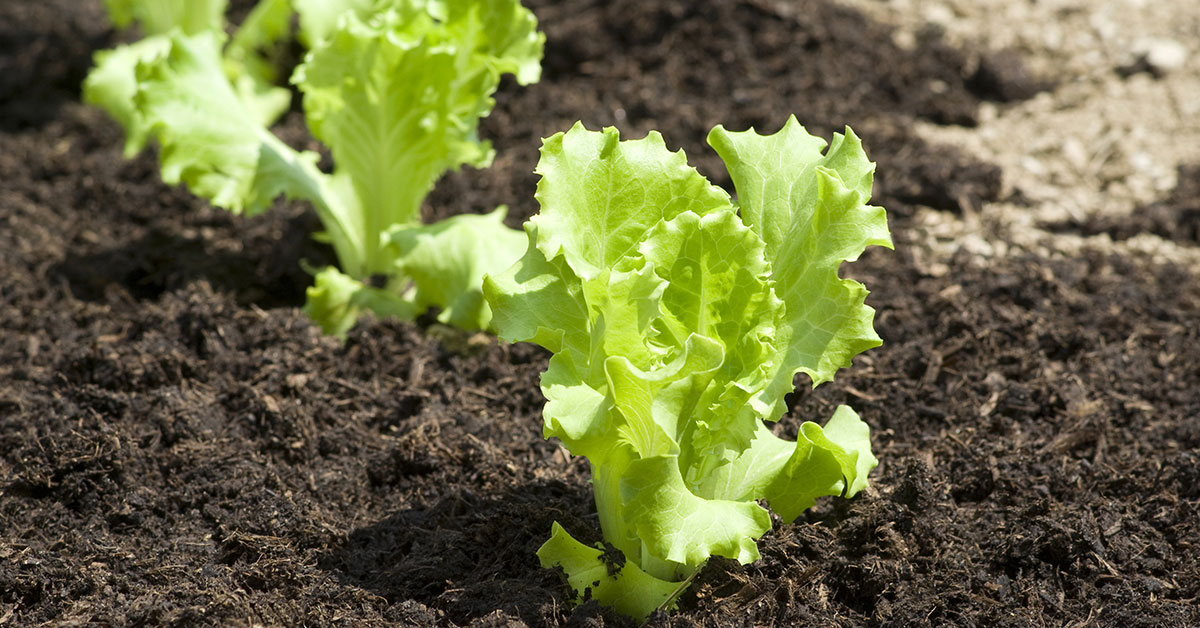

Do you want to grow lettuce in New York? If you’re ready to embark on your own lettuce-growing adventure, you’ve come to the right place! As an experienced gardener, I understand the importance of timing when it comes to planting different crops, and lettuce is no exception.
In this article, we will delve into the best time to plant lettuce in New York, taking into consideration the climate, soil conditions, and various lettuce varieties. Whether you have a spacious backyard or a small balcony garden, by following these guidelines, you’ll be well on your way to enjoying a bountiful harvest of fresh, crisp lettuce leaves that will elevate your salads to a whole new level.
So, get your gardening tools ready, and let’s dive into the world of lettuce planting in the concrete jungle!
Best lettuce varieties to grow in New York
There are several good varieties of lettuce that grow well in New York. Here are a few popular options:
- ‘New Red Fire’: This variety produces vibrant, deep red leaves with a mild and sweet flavor. It is heat tolerant and can be grown throughout the summer.
- ‘Black Seeded Simpson’: This variety is known for its large, tender, and light green leaves. It is a fast-growing lettuce with a mild flavor and is great for salads.
- ‘Buttercrunch’: This variety forms loose heads with a crisp texture and sweet flavor. It is heat tolerant and slow to bolt, making it suitable for summer cultivation.
- ‘Romaine’: Romaine lettuce is a classic choice with long, sturdy leaves and a slightly bitter taste. It is a popular choice for Caesar salads and wraps.
- ‘Mesclun Mix’: This is not a specific variety but a mix of various lettuce types. It typically includes different colors, textures, and flavors, providing a diverse and flavorful salad mix.
Remember to check the specific growing requirements for each variety, such as sun exposure and soil preferences, to ensure successful cultivation.
When to plant Lettuce in New York
New York State is divided into several hardiness zones, which are determined by the average annual minimum temperature. Understanding the hardiness zone is crucial for successful gardening as it helps determine the types of plants that can thrive in a particular region. Here is a breakdown of the hardiness zones in New York:
- Zone 3a: This zone covers the northernmost parts of the state, including areas such as Tupper Lake and Saranac Lake. It experiences extremely cold winters, with average minimum temperatures ranging from -40°F to -35°F (-40°C to -37°C).
- Zone 3b: This zone encompasses parts of the Adirondack Mountains, such as Lake Placid. The average minimum temperatures range from -35°F to -30°F (-37°C to -34°C).
- Zone 4a: This zone covers areas like Massena, Plattsburgh, and Watertown. The average minimum temperatures range from -30°F to -25°F (-34°C to -32°C).
- Zone 4b: This zone includes locations such as Saratoga Springs, Albany, and Poughkeepsie. The average minimum temperatures range from -25°F to -20°F (-32°C to -29°C).
- Zone 5a: This zone covers parts of the Hudson Valley, including Newburgh, Kingston, and Middletown. The average minimum temperatures range from -20°F to -15°F (-29°C to -26°C).
- Zone 5b: This zone includes areas like Yonkers, White Plains, and New Rochelle. The average minimum temperatures range from -15°F to -10°F (-26°C to -23°C).
- Zone 6a: This zone covers locations such as New York City, Brooklyn, and Queens. The average minimum temperatures range from -10°F to -5°F (-23°C to -21°C).
- Zone 6b: This zone includes areas like Staten Island, Long Island, and parts of the Hudson Valley. The average minimum temperatures range from -5°F to 0°F (-21°C to -18°C).
Now, let’s discuss the best time to plant lettuce in New York. Lettuce is a cool-season crop that prefers moderate temperatures for germination and growth. It can tolerate frost but does not do well in extreme heat. In New York, the ideal time to plant lettuce is during the spring and fall seasons.
- Spring planting: As soon as the soil can be worked in early spring, typically around April, you can sow lettuce seeds directly into the ground. The soil temperature should be around 40°F to 70°F (4°C to 21°C) for optimal germination. Choose lettuce varieties that mature quickly, like leaf lettuce or mesclun mixes, as they are better suited for the shorter spring growing season.
- Fall planting: In late summer or early fall, around mid-August to mid-September, you can sow lettuce seeds again for a fall harvest. The soil temperature should be around 60°F to 70°F (15°C to 21°C). Lettuce grows well in cooler temperatures, and the fall season offers a more extended growing period as the plants can tolerate light frost.
To ensure successful lettuce cultivation, it’s essential to provide the plants with ample sunlight (at least 6 hours a day), well-drained soil, and consistent moisture. Additionally, using row covers or cold frames can extend the growing season by protecting the plants from early frosts.
Remember to check specific lettuce varieties for their days to maturity, as it can vary between 45 to 80 days. This information will help you plan your planting schedule accordingly.
When to harvest Lettuce in New York
The optimal time to harvest lettuce in New York depends on the variety and the growing conditions. Generally, lettuce is a cool-season crop and can be harvested when the leaves are fully formed but still tender and before they begin to bolt or go to seed.
In New York, lettuce can be planted in early spring for a spring harvest or in late summer for a fall harvest. For spring lettuce, you can start harvesting when the leaves reach a desirable size, usually around 4-6 weeks after planting. It is important to monitor the weather as lettuce can bolt prematurely in hot temperatures.
For fall lettuce, you can start harvesting when the leaves are mature and before the first frost. Lettuce can tolerate light frosts, but a hard frost can damage the leaves. It is recommended to harvest the entire plant before a hard frost is expected.
Remember to check the specific variety you are growing for any additional guidelines on harvesting times.
Other considerations
When growing lettuce in New York, there are several other considerations to keep in mind:
- Temperature: Lettuce prefers cooler temperatures and can tolerate light frosts. In New York, it is important to choose lettuce varieties that are suitable for the local climate and can handle both cool springs and hot summers. Consider planting lettuce in early spring or late summer/fall to avoid extreme heat.
- Sunlight: Lettuce generally prefers partial shade or filtered sunlight, especially during hot summer months. If your garden receives full sun, you may need to provide some shade with shade cloth or by planting lettuce near taller plants that can provide some relief from the intense sun.
- Soil: Lettuce requires well-draining soil that is rich in organic matter. Before planting, amend the soil with compost or well-rotted manure to improve its fertility and moisture-holding capacity. Additionally, maintaining a slightly acidic soil pH (around 6.0 to 6.5) is ideal for lettuce growth.
- Watering: Lettuce has shallow roots, so it requires consistent and even moisture to prevent the leaves from becoming bitter or developing a woody texture. Water the plants regularly, providing about 1 inch of water per week. Be cautious not to overwater, which can lead to root rot and other diseases.
- Fertilization: Lettuce is a leafy green vegetable that benefits from regular feeding. Apply a balanced, slow-release organic fertilizer at planting time, and supplement with additional side dressings of compost or a nitrogen-rich fertilizer throughout the growing season. Avoid over-fertilizing, as it can result in excessive leaf growth at the expense of flavor.
- Pests and diseases: Keep an eye out for common pests like slugs, snails, aphids, and cabbage loopers that can damage lettuce leaves. Implement organic pest control methods like handpicking, using row covers, or applying natural insecticides if necessary. Also, be vigilant about preventing fungal diseases like powdery mildew by providing good air circulation and avoiding overhead watering.
- Succession planting: To ensure a continuous harvest, consider practicing succession planting. Start new lettuce seeds or transplants every few weeks to have a steady supply of fresh lettuce throughout the growing season.
By considering these factors, you can optimize your lettuce growing experience in New York and enjoy a bountiful harvest.