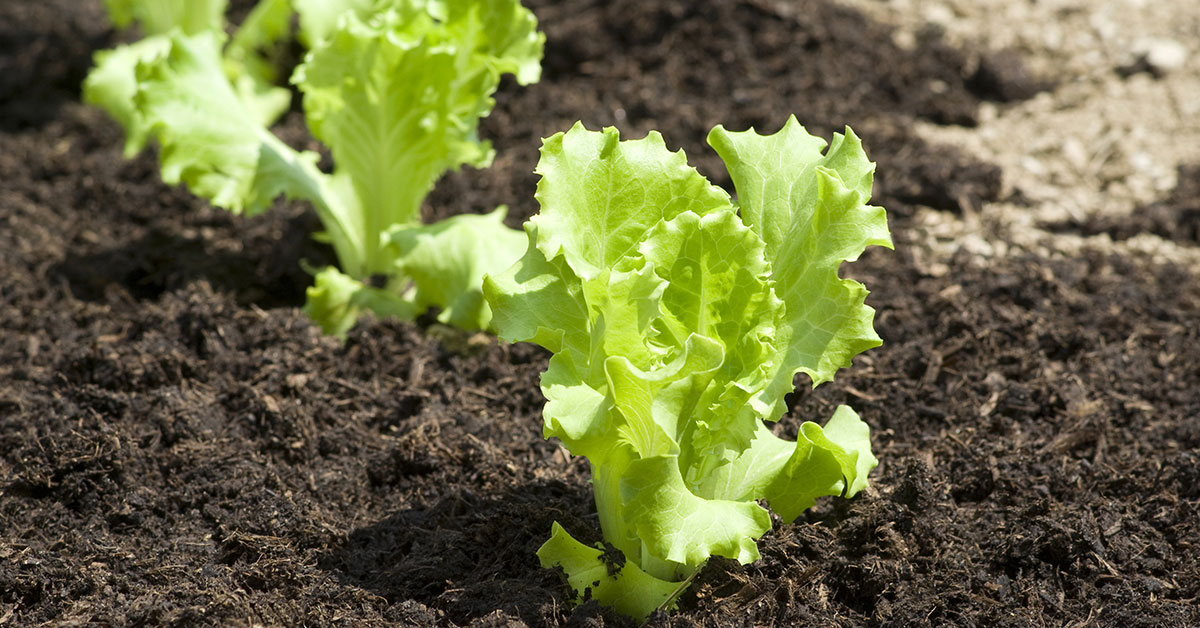

Welcome to the world of gardening in New Hampshire! As an experienced gardener, I understand the importance of timing when it comes to planting different vegetables. When it comes to lettuce, timing is crucial to ensure a successful and bountiful harvest. In this article, we will explore the best time to plant lettuce in the beautiful state of New Hampshire.
From understanding the climate and frost dates to selecting the right lettuce varieties for your region, we will cover all the essential information you need to know to maximize your lettuce-growing success. So, grab your gardening gloves and let’s dive into the world of lettuce planting in New Hampshire!
Best lettuce varieties to grow in New Hampshire
In New Hampshire, where the climate can be cool and variable, it is important to choose lettuce varieties that are well-suited to the region. Here are a few recommended lettuce varieties for New Hampshire:
- ‘Buttercrunch’: This variety is known for its tender leaves and excellent flavor. It forms loose heads and is slow to bolt, making it a good choice for New Hampshire’s cooler spring and fall seasons.
- ‘Black Seeded Simpson’: This lettuce variety is a popular choice for its heat tolerance and fast growth. It produces large, loose leaves that are tender and slightly sweet.
- ‘Red Sails’: This variety is known for its attractive red-tinged leaves. It has a mild flavor and is slow to bolt, making it a great choice for New Hampshire’s longer growing season.
- ‘Oakleaf’: This lettuce variety is characterized by its distinctive lobed leaves that resemble oak leaves. It has a mild flavor and is quick to mature. It can tolerate cooler temperatures and is a good choice for early spring and fall plantings.
- ‘Romaine’: Romaine lettuce, such as ‘Little Gem’ or ‘Parris Island’, is an excellent choice for New Hampshire. Romaine lettuce is known for its crisp texture and slightly bitter flavor. It is also relatively heat-tolerant and slow to bolt.
Remember to consider your specific growing conditions, such as sunlight, soil type, and available space, when choosing lettuce varieties. Additionally, you can experiment with different lettuce varieties to find the ones that best suit your preferences and growing conditions.
When to plant Lettuce in New Hampshire
New Hampshire is located in USDA Hardiness Zones 4-6, which means it experiences cold winters and relatively short growing seasons. The state is divided into three main zones:
- Zone 4: This zone covers the northern part of New Hampshire, where winter temperatures can drop to -30°F (-34°C). The growing season usually lasts from late May to early September.
- Zone 5: This zone encompasses the central part of the state and includes cities like Concord and Manchester. Winter temperatures can reach -20°F (-29°C), and the growing season typically runs from late May to early September.
- Zone 6: This zone covers the southernmost part of New Hampshire, including cities like Nashua and Portsmouth. Winter temperatures can go as low as -10°F (-23°C), and the growing season generally extends from mid-May to mid-October.
Considering the hardiness zones in New Hampshire, the best time to plant lettuce would be during the spring and fall seasons. Lettuce is a cool-season crop that prefers mild temperatures between 45°F (7°C) and 75°F (24°C). Here are some guidelines for planting lettuce in New Hampshire:
- Spring planting: Start planting lettuce outdoors in early spring, once the soil has thawed and temperatures are consistently above freezing. This is typically around late April or early May in Zone 4, and a bit earlier in Zones 5 and 6. You can also start lettuce seeds indoors 4-6 weeks before the last expected frost date and transplant the seedlings outdoors once the soil is workable.
- Fall planting: Lettuce can also be planted in late summer for a fall harvest. Sow seeds directly in the garden around mid to late August in Zone 4, and a bit later in Zones 5 and 6. This allows the lettuce to mature before the first frost, providing a fresh harvest until the colder temperatures set in.
To ensure successful lettuce growth, make sure to choose a location that receives partial shade during hot summer months and has well-draining soil. Regular watering and proper spacing between plants will also help promote healthy growth and prevent diseases.
When to harvest Lettuce in New Hampshire
The optimal time to harvest lettuce in New Hampshire is typically in the late spring or early summer. Lettuce is a cool-season crop and prefers temperatures between 45-75°F (7-24°C). In New Hampshire, this temperature range is usually reached from late April to early June. It’s important to monitor the weather and soil conditions as well, as lettuce can bolt (go to seed) quickly in hot weather. Harvesting lettuce when the leaves are young and tender will result in the best flavor and texture.
Other considerations
When growing lettuce in New Hampshire, there are a few other considerations to keep in mind:
- Temperature: Lettuce prefers cooler temperatures, so it is important to plan your planting accordingly. In New Hampshire, you can start planting lettuce in early spring as soon as the ground can be worked, and continue to sow seeds every few weeks for a continuous harvest throughout the growing season. However, lettuce can bolt and turn bitter when exposed to high temperatures, so providing some shade or using heat-resistant varieties can be beneficial in the hot summer months.
- Soil: Lettuce grows best in well-draining soil that is rich in organic matter. Before planting, work compost or well-rotted manure into the soil to improve its fertility and drainage. Additionally, maintaining a slightly acidic to neutral soil pH (around 6.0 to 7.0) is ideal for lettuce growth.
- Watering: Lettuce requires consistent moisture to thrive. It is important to keep the soil evenly moist, but not waterlogged. Mulching around the plants can help retain moisture and reduce weed competition. Avoid overhead watering, as it can increase the risk of disease. Instead, use drip irrigation or water at the base of the plants.
- Pest and disease management: Common pests that may affect lettuce include slugs, aphids, and flea beetles. Regularly inspect your plants and take appropriate measures to control these pests, such as handpicking or using organic insecticides. Additionally, watch out for common lettuce diseases like powdery mildew and downy mildew. Proper spacing, good air circulation, and avoiding overhead watering can help prevent these diseases.
- Crop rotation: To minimize the risk of soil-borne diseases and nutrient depletion, it is recommended to practice crop rotation. Avoid planting lettuce in the same spot each year and rotate it with other plant families, such as beans or tomatoes.
- Variety selection: Selecting lettuce varieties that are suitable for New Hampshire’s climate and growing conditions is essential. Look for varieties that are heat-resistant for summer planting and cold-hardy for early spring and fall planting. Some popular lettuce varieties for New Hampshire include ‘Black Seeded Simpson’, ‘New Red Fire’, ‘Buttercrunch’, and ‘Romaine’.
By considering these factors, you can increase your chances of success when growing lettuce in New Hampshire. Happy gardening!