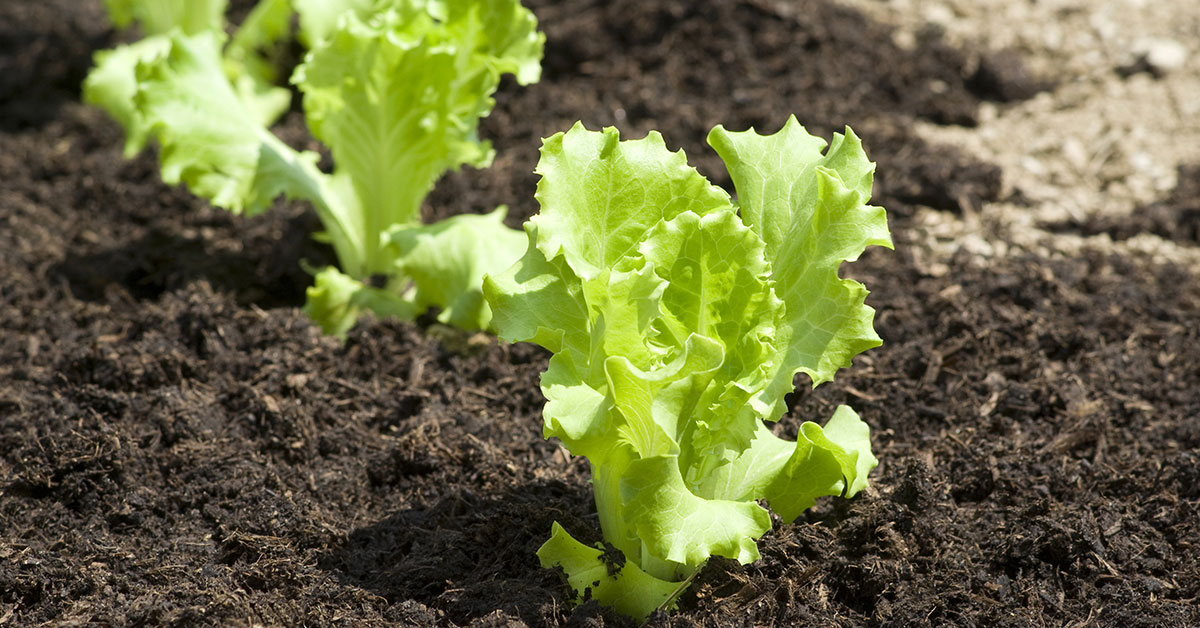

Are you an Indiana gardener with a hankering for fresh, crisp lettuce straight from your own backyard? Well, you’re in luck! Lettuce, a cool-season vegetable, can thrive in the fertile soils and moderate climate of the Hoosier state. However, to ensure a successful lettuce crop, it’s crucial to understand the optimal time for planting lettuce in Indiana.
In this article, we will explore the best timing for planting lettuce in Indiana, taking into account both the average frost dates and the specific lettuce varieties that fare well in this region. Whether you’re a seasoned gardener or a novice just starting out, this guide will help you make the most of your lettuce-growing endeavors and enjoy a bountiful harvest in no time.
Best varieties of lettuce to grow in Indiana
There are several lettuce varieties that do well in Indiana’s climate. Here are a few popular ones:
- ‘Black Seeded Simpson’: This is a leaf lettuce variety with tender, light green leaves. It matures quickly and is known for its mild flavor.
- ‘Buttercrunch’: A popular choice for home gardens, Buttercrunch lettuce forms tight, compact heads with sweet, buttery leaves. It is heat-tolerant and slow to bolt.
- ‘Red Salad Bowl’: This variety has attractive burgundy-red leaves that add color to salads. It has a mild flavor and is slow to bolt.
- ‘Romaine’: Romaine lettuce is known for its long, upright heads and crisp texture. It has a slightly stronger flavor compared to other lettuces and is excellent for Caesar salads.
- ‘Iceberg’: Iceberg lettuce is a classic choice for its crunchy texture and mild flavor. It forms tight, compact heads that are great for salads and sandwiches.
Remember to choose varieties that are suitable for your specific location in Indiana and consider factors such as sun exposure and soil conditions.
When to plant Lettuce in Indiana
Indiana is located in USDA hardiness zones 5a to 6b. These zones are determined based on the average minimum winter temperatures experienced in the region. Zone 5a has an average minimum temperature range of -20 to -15°F (-28.9 to -26.1°C), while zone 6b has an average minimum temperature range of -5 to 0°F (-20.6 to -17.8°C).
Considering the hardiness zones in Indiana, the best time to plant lettuce will depend on the specific zone and the desired lettuce variety. Lettuce is a cool-season crop that prefers cooler temperatures for optimal growth and quality.
In zone 5a, the average last frost date typically falls between April 15th and April 30th. It is recommended to start planting lettuce seeds indoors about 6-8 weeks before the last frost date. Transplanting seedlings outdoors can be done once the soil temperature reaches around 40°F (4.4°C), which usually occurs in early to mid-April. Direct sowing of lettuce seeds outdoors can be done about 2-3 weeks before the last frost date.
In zone 6b, the average last frost date ranges from April 1st to April 15th. Following the same guidelines as zone 5a, starting lettuce seeds indoors 6-8 weeks before the last frost date is recommended. Transplanting can be done when the soil temperature reaches around 40°F (4.4°C), which typically occurs in late March to early April. Direct sowing can be done about 2-3 weeks before the last frost date.
It is important to note that lettuce is a cool-season crop that prefers temperatures between 45°F (7.2°C) and 75°F (23.9°C) for optimal growth. Lettuce can tolerate light frosts but may bolt (go to seed) in hot weather. To extend the lettuce growing season, you can also consider planting in late summer or early fall for a second harvest.
Overall, the best time to plant lettuce in Indiana is in early spring, around 2-3 weeks before the average last frost date, or in late summer/early fall for a second harvest. Monitoring the soil temperature and weather conditions in your specific area will help determine the ideal planting time for lettuce.
When to harvest Lettuce in Indiana
The optimal time to harvest lettuce in Indiana depends on the variety and the growing conditions. However, in general, lettuce can be harvested when the leaves are large enough to be picked but still tender and before they start to bolt (produce a flower stalk).
For most lettuce varieties, this usually occurs around 40 to 60 days after planting. In Indiana, this typically falls between late spring and early summer, approximately May to June.
To determine if lettuce is ready for harvest, check the size of the outer leaves. They should be around 4 to 6 inches long, depending on the variety. Gently tug on a leaf, and if it comes off easily, it’s likely ready to be harvested.
It’s important to monitor the weather and temperature to prevent lettuce from bolting prematurely. If temperatures rise too quickly, you may need to harvest sooner to avoid bitterness in the leaves.
Remember to harvest lettuce in the morning when the leaves are crisp and hydrated, as they can wilt quickly in the heat of the day.
Other considerations
When growing lettuce in Indiana, there are a few additional considerations to keep in mind:
- Temperature: Lettuce prefers cool temperatures and can tolerate light frost. In Indiana, the weather can be unpredictable, so it’s important to monitor the temperature and protect your lettuce plants during sudden drops in temperature. Consider using row covers or cold frames to provide some insulation.
- Sunlight: Lettuce generally prefers partial shade or filtered sunlight. In Indiana, the summer months can be hot, so providing some shade during the hottest part of the day can help prevent the lettuce from bolting (going to seed) prematurely.
- Soil: Lettuce grows best in well-draining soil with a pH level between 6.0 and 7.0. Before planting, amend the soil with organic matter such as compost to improve its fertility and drainage. Regularly monitor the moisture levels to ensure the soil doesn’t become waterlogged.
- Watering: Lettuce requires consistent moisture to thrive. Water the plants regularly, especially during dry periods. Avoid overhead watering if possible, as it can increase the risk of foliar diseases. Instead, water at the base of the plants to keep the leaves dry.
- Pest control: Keep an eye out for common pests that can affect lettuce, such as slugs, snails, aphids, and cutworms. Consider using organic pest control methods like handpicking or using insecticidal soaps to address any infestations.
- Succession planting: To enjoy a continuous harvest, consider practicing succession planting. Start by sowing a small batch of lettuce seeds every few weeks to ensure a constant supply of fresh lettuce throughout the growing season.
- Companion planting: Certain plants can benefit lettuce by deterring pests or providing shade. Consider planting lettuce alongside companion plants like radishes, carrots, or marigolds.
Remember to regularly monitor your lettuce plants for signs of disease or nutrient deficiencies and address them promptly. With proper care and attention, you can enjoy a bountiful harvest of lettuce in Indiana.