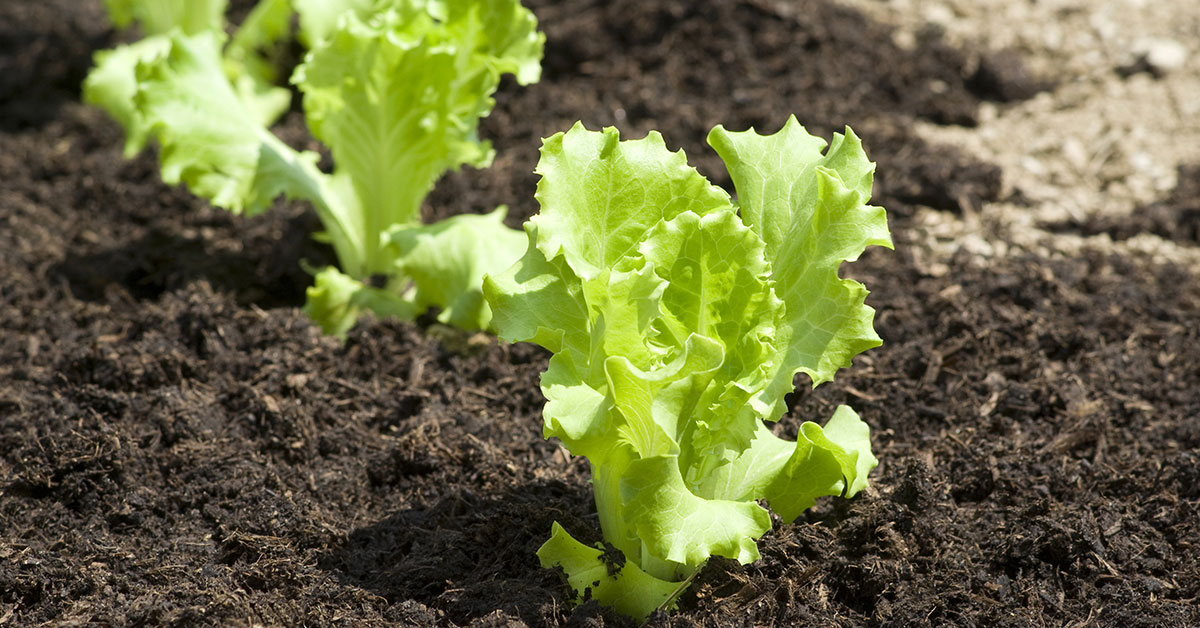

Welcome to the world of gardening in Illinois! If you’re a lettuce lover and are wondering about the best time to plant this delicious leafy vegetable in the Land of Lincoln, you’ve come to the right place. In this article, we will explore the optimal planting times for lettuce in Illinois, taking into consideration the state’s climate, soil conditions, and the various lettuce varieties available.
Whether you’re a seasoned gardener or a beginner, by following our expert advice, you’ll be well on your way to growing an abundant and healthy lettuce harvest right in your own backyard. So grab your gardening tools and let’s dive into the fascinating world of lettuce cultivation in Illinois!
Best lettuce varieties to grow in Illinois
In Illinois, there are several lettuce varieties that grow well due to the climate and soil conditions. Here are a few recommended varieties:
- Buttercrunch Lettuce: This variety is known for its tender, buttery leaves and is a popular choice for salads. It forms loose heads and has a sweet flavor.
- Romaine Lettuce: Romaine lettuce is a classic variety with elongated, sturdy leaves. It is a great choice for Caesar salads and sandwiches due to its crisp texture and slightly bitter taste.
- Red Leaf Lettuce: Red leaf lettuce varieties, such as Lolla Rossa or Red Sails, add vibrant color to salads. They have a mild flavor and are tender, making them a great addition to mixed greens.
- Green Leaf Lettuce: Green leaf lettuce varieties, like Black-Seeded Simpson or Salad Bowl, are easy to grow and have a delicate, mild flavor. They are often used in salads and sandwiches.
- Bibb Lettuce: Bibb lettuce, also known as butterhead lettuce, has small, loose heads with soft leaves. It has a mild, buttery flavor and is a popular choice for gourmet salads.
These varieties can be grown in both home gardens and larger-scale farms in Illinois. It’s always a good idea to check with local nurseries or gardening experts for specific recommendations based on your location within the state.
When to plant Lettuce in Illinois
Illinois is divided into three hardiness zones: Zone 5a, Zone 5b, and Zone 6a. These zones are determined based on the average minimum winter temperatures experienced in each region.
In Zone 5a, the average minimum winter temperature ranges from -20 to -15°F (-28.9 to -26.1°C). In Zone 5b, the average minimum winter temperature ranges from -15 to -10°F (-26.1 to -23.3°C). In Zone 6a, the average minimum winter temperature ranges from -10 to -5°F (-23.3 to -20.6°C).
Lettuce is a cool-season vegetable that thrives in cooler temperatures. It prefers to grow in the spring and fall when the weather is mild. In Illinois, the best time to plant lettuce is in early spring, as soon as the soil can be worked and the danger of frost has passed.
For Zone 5a, the recommended planting window for lettuce is typically from mid-April to early May. This allows the lettuce to establish before the summer heat sets in. In Zone 5b, you can start planting lettuce a little earlier, around late March to mid-April. In Zone 6a, you can begin planting lettuce even earlier, starting in late February to early March.
When planting lettuce, choose a sunny location with well-draining soil. Prepare the soil by removing any weeds or debris and adding compost or organic matter to improve its fertility. Sow the lettuce seeds directly into the soil, following the recommended spacing for the variety you are planting. Lightly cover the seeds with soil, water gently, and keep the soil consistently moist throughout the growing season.
To extend the lettuce harvest, consider succession planting every 2-3 weeks until late spring. This will ensure a continuous supply of fresh lettuce throughout the season. Additionally, you can plant lettuce again in late summer or early fall for a second harvest.
Remember to monitor the weather conditions in your specific area and adjust your planting schedule accordingly.
When to harvest Lettuce in Illinois
The optimal time to harvest lettuce in Illinois depends on the specific variety of lettuce you are growing. However, in general, lettuce is typically ready for harvest when the leaves have reached a size of 4-6 inches in length and are crisp and tender.
For most lettuce varieties, you can start harvesting leaves when they are young and small, known as “cut and come again” harvesting. This involves cutting outer leaves from the plant, allowing the inner leaves to continue growing. This way, you can enjoy a continuous harvest throughout the growing season.
In Illinois, lettuce is typically grown in the spring and fall when temperatures are cooler. Depending on the specific variety and weather conditions, you can expect to start harvesting lettuce approximately 40-50 days after sowing the seeds.
It is important to monitor the plants closely and harvest before the leaves become tough or bitter. Regularly check the lettuce plants and harvest as needed to ensure the best taste and quality.
Other considerations
When growing lettuce in Illinois, there are a few additional considerations to keep in mind:
- Temperature: Lettuce prefers cool temperatures, so it is important to choose the right time to plant. In Illinois, it is best to plant lettuce in early spring or fall when temperatures are cooler. Lettuce can bolt or turn bitter in hot weather, so providing shade or using row covers can help protect the plants during the summer months.
- Soil: Lettuce grows best in well-draining soil that is rich in organic matter. Before planting, amend the soil with compost or well-rotted manure to improve fertility and moisture retention. Additionally, ensure that the soil pH is between 6.0 and 7.0, as lettuce prefers slightly acidic to neutral soil.
- Watering: Lettuce has shallow roots and requires consistent moisture to thrive. It is important to water regularly, especially during dry periods. Aim to keep the soil evenly moist, but be cautious not to overwater, as excessive moisture can lead to root rot or fungal diseases.
- Mulching: Applying a layer of organic mulch around lettuce plants can help conserve moisture, regulate soil temperature, and suppress weed growth. Mulching also reduces the likelihood of soil splashing onto the leaves, which can introduce diseases.
- Fertilizer: Lettuce is a leafy vegetable that requires a steady supply of nutrients for optimal growth. Prior to planting, incorporate a balanced organic fertilizer into the soil. Additionally, you can apply a side dressing of compost or a nitrogen-rich fertilizer during the growing season to promote healthy leaf development.
- Pest and disease management: Keeping an eye out for common pests such as aphids, slugs, and snails is important. Regularly inspect the plants and take appropriate measures to control them if necessary, such as using organic insecticides or traps. Additionally, practicing crop rotation and providing adequate spacing between plants can help minimize the risk of diseases such as lettuce mosaic virus and downy mildew.
- Harvesting: Lettuce leaves can be harvested when they reach the desired size, typically around 4-6 weeks after planting. Harvesting outer leaves while leaving the inner ones intact allows the plant to continue producing for an extended period. It is best to harvest lettuce in the morning when the leaves are crisp and before the sun becomes too intense.
By considering these factors, you can increase your chances of successfully growing lettuce in Illinois and enjoy a bountiful harvest.