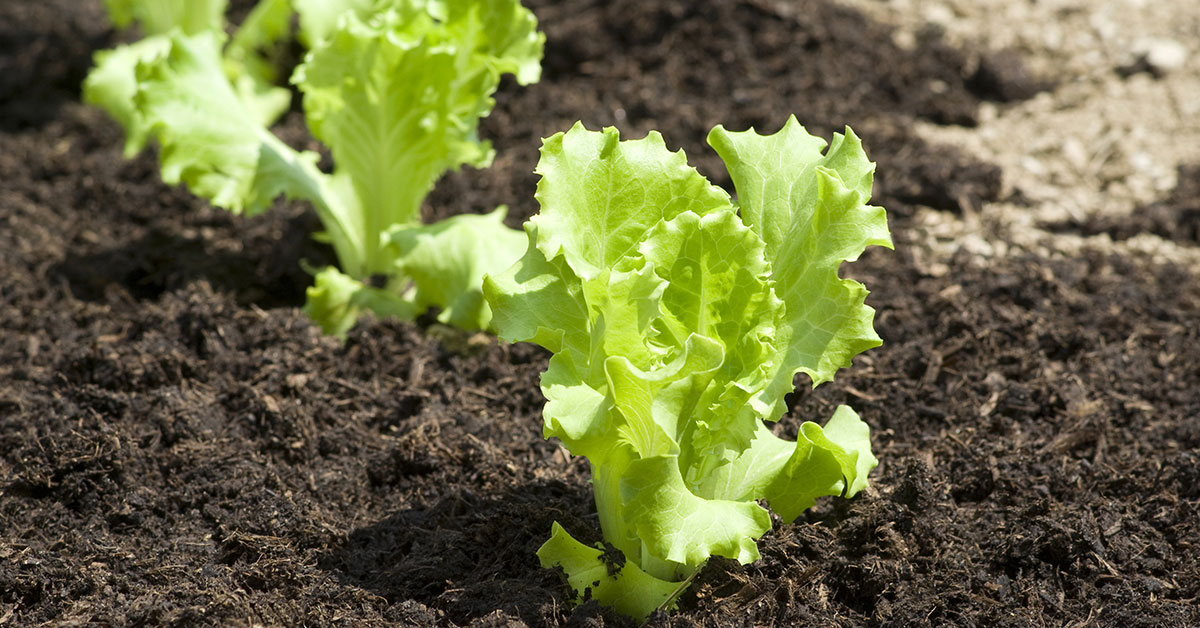

Are you a lettuce lover living in Delaware, eager to grow your own crisp and fresh salad greens? Well, you’re in luck! In this article, we will explore the optimal time to plant lettuce in Delaware, taking into consideration the climate and growing conditions of the region. Whether you’re a seasoned gardener or a beginner looking to try your hand at growing your own vegetables, read on to discover the best time to sow your lettuce seeds and get ready for a bountiful harvest!
Best lettuce varieties for Delaware gardens
When it comes to growing lettuce in Delaware, it’s important to choose varieties that are well-suited to the local climate and growing conditions. Delaware experiences a humid subtropical climate, which means hot summers and mild winters. Lettuce is a cool-season crop that thrives in cooler temperatures, so selecting the right varieties is crucial for a successful harvest.
- Butterhead Lettuce: Butterhead lettuce varieties, such as Bibb or Boston types, are known for their soft, buttery leaves and mild flavor. They have loose heads and are perfect for salads and sandwiches. These varieties are ideal for growing in Delaware as they tolerate both cool temperatures and humidity well.
- Romaine Lettuce: Romaine lettuce is another popular choice for Delaware gardeners. This variety has sturdy, upright leaves and a slightly bitter taste. Romaine lettuce is known for its excellent crunch and is often used in Caesar salads. Look for varieties like “Crisphead” or “Parris Island” that have good heat tolerance to thrive in Delaware’s summer conditions.
- Looseleaf Lettuce: Looseleaf lettuce is a versatile option that comes in various colors and leaf shapes. They are easy to grow and quick to mature, making them a popular choice for many gardeners. Varieties like “Red Sails” or “Salad Bowl” are perfect for Delaware’s growing conditions as they have good heat tolerance.
- Crisphead Lettuce: Crisphead lettuce, also known as iceberg lettuce, is a classic choice for salads and sandwiches. This variety forms tight, compact heads with crisp leaves. While iceberg lettuce can be more challenging to grow in Delaware due to its heat sensitivity, there are some heat-tolerant varieties available, such as “Summertime” or “Great Lakes.”
- Winter Lettuce: For those interested in growing lettuce during the winter months in Delaware, there are several cold-tolerant varieties available. Look for options like “Winter Density” or “Arctic King” that can withstand frost and lower temperatures.
Remember to consider your specific gardening conditions, such as sunlight exposure and soil type, when selecting lettuce varieties. Additionally, it’s a good practice to rotate your lettuce crops each year to prevent the buildup of pests and diseases in the soil.
By choosing the right lettuce varieties for Delaware’s climate, you can enjoy a bountiful harvest of fresh, crisp, and delicious lettuce throughout the growing season. Happy gardening!
When to plant lettuce in Delaware
In Delaware, the optimal time to plant lettuce depends on the specific USDA hardiness zone you are in. Here’s a breakdown of the different zones and the recommended planting times for lettuce:
- USDA Hardiness Zone 7a: This zone covers parts of northern Delaware, including areas around Wilmington. The recommended planting time for lettuce in Zone 7a is typically in early spring, around March or early April. Lettuce prefers cool temperatures and can tolerate light frosts, making it an excellent choice for early-season planting.
- USDA Hardiness Zone 7b: This zone covers central parts of Delaware, including areas around Dover. The recommended planting time for lettuce in Zone 7b is similar to Zone 7a, around March or early April.
- USDA Hardiness Zone 8a: This zone covers southern parts of Delaware, including areas around Georgetown. The recommended planting time for lettuce in Zone 8a is typically in late winter or early spring, around February or March. The milder climate allows for an earlier planting window.
It’s important to note that lettuce is a cool-season crop and does not thrive in hot summer temperatures. To ensure a successful lettuce crop, it’s best to plant it during the cooler parts of the year and avoid planting when temperatures consistently exceed 75°F (24°C).
In addition to the USDA hardiness zones, microclimates within each zone can influence planting times. Factors such as local weather patterns, frost dates, and specific garden conditions should also be taken into consideration. Consulting with local gardening resources, agricultural extension offices, or experienced gardeners in your specific area can provide more precise planting recommendations tailored to your location in Delaware.
Remember to provide your lettuce with well-drained soil, regular watering, and partial shade in warmer months to prevent bolting (premature flowering). By adhering to the appropriate planting times and considering the specific needs of lettuce, you can enjoy a bountiful harvest throughout the growing season.
When to harvest lettuce in Delaware
The timing for harvesting lettuce in Delaware depends on the specific variety you are growing and the growing conditions in your area. Here are some general guidelines to help you determine when to harvest lettuce:
- Leaf Lettuce: Leaf lettuce varieties are typically harvested on an ongoing basis as the leaves reach a desirable size. You can begin harvesting individual leaves for baby greens as soon as they are large enough to use. For mature leaves, you can harvest them when they have reached full size but are still tender and before they start to develop a bitter taste. Continuous harvesting of outer leaves allows the center of the plant to continue producing new growth.
- Butterhead Lettuce: Butterhead lettuce varieties, such as Bibb or Boston lettuce, form loose heads that are ready to harvest when they reach full size. The heads should be firm but not overly dense. Harvest the entire head by cutting it at the base just above the soil level.
- Romaine Lettuce: Romaine lettuce forms elongated heads with tightly packed leaves. It’s usually harvested when the heads reach a mature size but are still tender and crisp. To harvest, cut the entire head at the base above the soil level or, alternatively, you can harvest individual outer leaves as needed while allowing the inner leaves to continue growing.
In Delaware, lettuce is typically grown as a cool-season crop, and the harvest period generally falls within the spring and early summer months. The exact timing for harvest depends on the planting date, weather conditions, and the specific variety you are growing.
To determine if your lettuce is ready for harvest, visually assess the size and appearance of the leaves or heads, depending on the variety. Additionally, taste-testing the leaves can help you gauge their flavor and tenderness.
It’s important to note that lettuce can bolt (produce a flowering stalk) and turn bitter when exposed to prolonged hot temperatures. Harvesting lettuce before or during bolting is advisable to ensure optimal flavor and quality.
These guidelines are general recommendations, and it’s always a good idea to refer to the specific instructions provided with the lettuce variety you are growing. Additionally, consulting with local gardening resources, experienced gardeners, or agricultural extension offices in Delaware can provide more precise advice based on your location and growing conditions.
Other considerations for growing Lettuce in Delaware
When it comes to growing lettuce in Delaware, there are a few other considerations you should keep in mind. While lettuce is generally a relatively easy crop to grow, there are some specific factors that can affect its success in this particular region. In this section, we will explore these considerations and provide you with some tips to help ensure a successful lettuce harvest.
- Climate and Seasonality: Delaware experiences a humid subtropical climate, with hot and humid summers, and cool to cold winters. Lettuce is a cool-season crop, preferring temperatures between 45°F and 75°F (7°C to 24°C). It thrives in spring and fall, but can struggle during the heat of summer. To overcome this, consider planting lettuce in shaded areas or using shade cloth to protect the plants from excessive heat and sun.
- Soil Preparation: Lettuce prefers well-drained soil with a pH level between 6.0 and 7.0. Before planting, make sure to prepare the soil by removing any weeds, rocks, or debris. Incorporate organic matter, such as compost or well-rotted manure, to improve soil fertility and drainage. It is also beneficial to perform a soil test to determine if any amendments, such as lime or sulfur, are needed to adjust the pH level.
- Watering: Adequate watering is crucial for lettuce, as it prefers consistently moist soil. However, overwatering can lead to root rot and other diseases. It is important to strike a balance by watering deeply and infrequently, allowing the soil to dry out slightly between waterings. Consider using drip irrigation or soaker hoses to deliver water directly to the root zone and minimize moisture on the leaves, which can encourage disease development.
- Pest and Disease Management: Lettuce can be susceptible to various pests and diseases, including aphids, slugs, snails, and fungal infections like powdery mildew. To manage these issues, practice good garden hygiene by removing any dead or decaying plant material. You can also employ physical barriers, such as row covers or netting, to protect your lettuce from pests. Additionally, consider using organic pest control methods, like insecticidal soaps or neem oil, to minimize damage from insects.
- Succession Planting: To ensure a continuous harvest throughout the growing season, consider practicing succession planting. Instead of planting all your lettuce seeds at once, stagger the plantings every few weeks. This will allow you to have a steady supply of fresh lettuce, rather than a single large harvest that may go to waste. Remember to choose lettuce varieties with different maturity dates to optimize your successional plantings.
By taking these considerations into account, you can increase your chances of growing a bountiful crop of lettuce in Delaware. Enjoy the satisfaction of harvesting your own fresh, crisp lettuce leaves, and savor the delicious flavors that homegrown produce has to offer. Happy gardening!