
When it comes to growing kale in New Zealand, timing is crucial for a successful harvest. Kale, a nutrient-dense leafy green vegetable, thrives in the cool climate and fertile soils of New Zealand. With its ability to withstand frost and adapt to various growing conditions, kale has become a popular choice among home gardeners and commercial growers alike. However, to ensure optimal growth and flavor, it is essential to know the right time to plant kale in New Zealand.
This article will provide a comprehensive guide on when and how to plant kale, taking into account the diverse climate zones and seasonal variations across the country. Whether you are a seasoned gardener or a beginner looking to add this superfood to your garden, read on to discover the best time to sow kale seeds or transplant seedlings, along with valuable tips for a bountiful kale harvest.
Best varieties of Kale to grow in New Zealand
In New Zealand, there are several varieties of kale that grow well in our climate. Here are some popular choices:
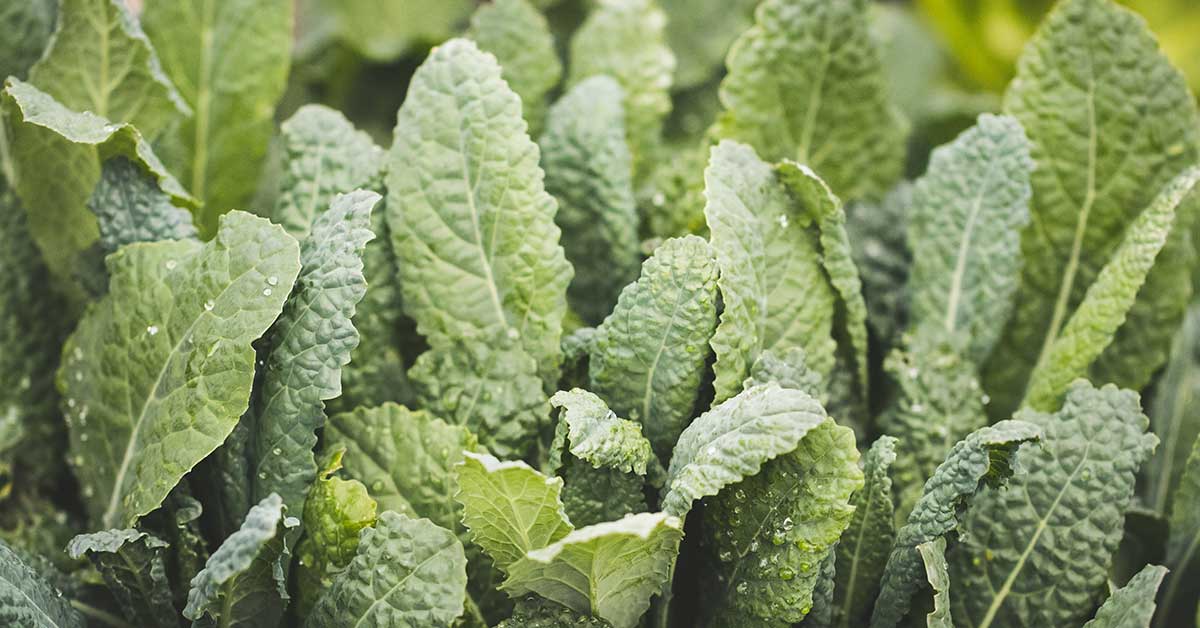
- Tuscan Kale (also known as Cavolo Nero or Dinosaur Kale): This variety has dark green, bumpy leaves and is known for its robust flavor. It is a hardy plant that can withstand cooler temperatures and is resistant to common kale pests.
- Red Russian Kale: This variety has beautiful red-veined leaves and a milder flavor compared to other kales. It is quick-growing and can be harvested at a young age for baby greens or left to mature for larger leaves.
- Curly Kale: Curly kale is a classic variety with ruffled leaves and a slightly bitter taste. It is a reliable grower in New Zealand and can tolerate a range of conditions. This variety is often used in salads, stir-fries, and smoothies.
- Dwarf Blue Curled Kale: This compact variety is perfect for smaller gardens or containers. It has tightly curled blue-green leaves and a sweet flavor. Dwarf Blue Curled Kale is cold-hardy and can be harvested throughout the year.
- Redbor Kale: This ornamental kale variety features deep purple leaves that add a pop of color to your garden. It is also edible and has a mild flavor. Redbor kale is a good choice for adding visual interest to your vegetable beds or mixed borders.
Remember to provide your kale plants with well-draining soil, regular watering, and protection from strong winds. Kale is a cool-season crop, so it thrives in New Zealand’s mild climate, especially during spring and autumn.
When to plant Kale in New Zealand
The best time to plant kale in New Zealand is during the cooler months, specifically in late summer or early autumn (February to April) and in early spring (September to October). Kale is a cool-season crop that thrives in temperatures between 10-25 degrees Celsius. Planting during these times will ensure that the kale has enough time to establish before the extreme heat of summer or the frosts of winter.
When to harvest Kale in New Zealand
Kale can be harvested in New Zealand throughout the year, but the best time to harvest depends on the variety and growing conditions. Generally, kale is ready to be harvested when the leaves are large and firm, but before they become tough and bitter.
In cooler regions of New Zealand, such as the South Island, kale can be grown as a winter crop and harvested from late autumn to early spring. The colder temperatures actually improve the flavor of kale by reducing its bitterness.
In warmer regions, such as the North Island, kale can be grown as a year-round crop. However, during the hot summer months, kale may bolt (go to seed) and become less desirable for consumption. To prevent bolting, it is recommended to harvest kale before the temperatures get too high.
To harvest kale, simply cut the outer leaves from the plant, leaving the inner leaves to continue growing. This allows for a continuous harvest as the plant will produce new leaves from the center. Harvesting young leaves will also result in a more tender and flavorful kale.
Other considerations
When growing kale in New Zealand, there are several important considerations to keep in mind:
- Climate: Kale is a cool-season crop and thrives in cooler temperatures. In New Zealand, it is best to grow kale during the cooler months, such as autumn and spring. It can tolerate light frosts, but prolonged exposure to freezing temperatures can damage the plants.
- Soil: Kale prefers well-draining soil that is rich in organic matter. Before planting, amend the soil with compost or well-rotted manure to improve its fertility and structure. A slightly acidic to neutral pH level (around 6.0-7.0) is ideal for kale.
- Sunlight: Kale requires at least 6 hours of direct sunlight per day to grow well. Choose a sunny spot in your garden that receives ample sunlight throughout the day.
- Watering: Adequate watering is crucial for kale, especially during dry periods. Keep the soil consistently moist but not waterlogged. Mulching around the plants can help retain soil moisture and prevent weed growth.
- Fertilization: Kale is a heavy feeder and benefits from regular fertilization. Apply a balanced organic fertilizer or a slow-release granular fertilizer at planting time. Additionally, side-dress the plants with compost or a nitrogen-rich fertilizer every few weeks to promote healthy growth.
- Pests and Diseases: Keep an eye out for common pests such as aphids, cabbage worms, and slugs, which can damage kale leaves. Regularly inspect the plants and take appropriate measures, such as handpicking pests or using organic pest control methods. Diseases like clubroot and black rot can also affect kale, so practice crop rotation and maintain good garden hygiene to minimize the risk.
- Harvesting: Kale leaves can be harvested when they reach a suitable size, usually around 8-10 weeks after planting. Start by picking the outer leaves first, allowing the inner leaves to continue growing. Regular harvesting promotes new growth and ensures a continuous supply of fresh kale.
By considering these factors, you can successfully grow kale in New Zealand and enjoy its nutritious and delicious leaves throughout the year.