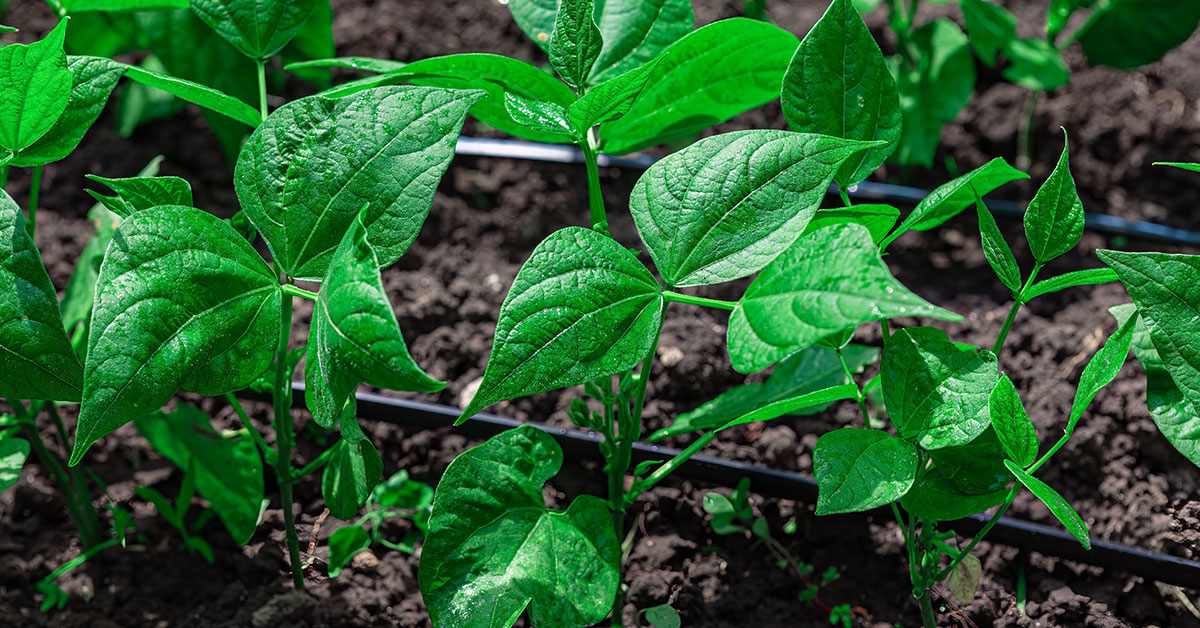

Welcome to the world of gardening in New Zealand, where the lush landscapes and temperate climate provide the perfect conditions for a thriving garden. If you’re a fan of fresh, crisp green beans, you’re in luck! In this article, we will guide you through the optimal time to plant green beans in New Zealand, ensuring a bountiful harvest and a delicious addition to your summer meals.
Understanding the unique climate and seasons of this beautiful country is essential for successful gardening, and we are here to provide you with the knowledge and expertise to make your green bean planting venture a resounding success. So, grab your gardening tools, roll up your sleeves, and let’s dive into the wonderful world of growing green beans in New Zealand!
Best varieties of Green beans to grow in New Zealand
In New Zealand, there are several varieties of green beans that grow well in our climate. Here are a few popular choices:
- Provider: Provider is a reliable and early-maturing variety that performs well in New Zealand’s cooler regions. It produces high yields of tender, stringless beans.
- Kentucky Wonder: Kentucky Wonder is a classic heirloom variety that thrives in New Zealand’s temperate climate. It produces long, flavorful beans and has good disease resistance.
- Strike: Strike is a popular bush bean variety that is well-suited for smaller gardens or containers. It has a compact growth habit and produces abundant, straight beans.
- Monte Gusto: Monte Gusto is a French filet type bean that is known for its exceptional flavor. It produces slender, tender beans that are best harvested when young.
- Purple King: Purple King is an eye-catching variety that produces purple pods that turn green when cooked. It has a good flavor and is a fun addition to any garden.
Remember to consider your specific location, climate, and growing conditions when selecting green bean varieties. It’s also a good idea to check with your local garden center or seed supplier for recommendations tailored to your area.
When to plant Green beans in New Zealand
The best time to plant green beans in New Zealand is during the spring season, which typically starts in September and lasts until November. This is when the soil temperature starts to warm up, providing optimal conditions for germination and growth. Green beans prefer warm weather and require a soil temperature of at least 15°C (59°F) for successful germination. Planting during spring ensures that the beans have enough time to grow and produce a good harvest before the cooler temperatures of winter set in.
When to harvest Green beans in New Zealand
In New Zealand, green beans are typically harvested during the summer months, from December to February. The exact timing of the harvest will depend on the specific variety of green beans you are growing and the local climate in your region.
Green beans are usually ready for harvest when the pods are firm, crisp, and have reached their full size. They should be a vibrant green color and snap easily when bent. It’s important to harvest them regularly to encourage continuous production. If left on the plant for too long, the pods may become tough and lose their flavor.
To harvest green beans, simply hold the stem of the pod and gently pull it off the plant. Be careful not to damage the plant or neighboring pods while harvesting. Once harvested, green beans can be enjoyed fresh, blanched, steamed, or used in various culinary preparations.
Other considerations
When growing green beans in New Zealand, there are several important considerations to keep in mind:
- Climate: Green beans thrive in warm weather, so it is essential to choose the right time to plant them. In New Zealand, beans are typically planted in spring or early summer when the soil temperature has reached around 15°C (59°F). However, in warmer regions like Northland and Auckland, beans can be planted earlier.
- Soil: Green beans prefer well-draining soil with a pH level between 6.0 and 7.0. Before planting, it is advisable to enrich the soil with organic matter such as compost or well-rotted manure to improve its fertility and moisture retention.
- Sunlight: Green beans require full sun exposure to grow and produce a good harvest. Ensure that the planting area receives at least 6-8 hours of direct sunlight daily.
- Watering: Beans need consistent moisture, especially during flowering and pod development. Water deeply and regularly, aiming to keep the soil evenly moist but not waterlogged. Avoid overhead watering to prevent the spread of fungal diseases.
- Support: Green beans are climbing plants that require support to grow vertically. Install trellises, stakes, or bean frames to provide support for the plants and prevent them from sprawling on the ground. This also helps improve air circulation and reduces the risk of diseases.
- Mulching: Apply a layer of organic mulch, such as straw or wood chips, around the base of the plants to conserve moisture, suppress weed growth, and maintain a more even soil temperature.
- Fertilizing: Beans are nitrogen-fixing plants, meaning they can convert atmospheric nitrogen into a usable form with the help of beneficial bacteria in their root nodules. However, it is still beneficial to provide a balanced fertilizer, especially if the soil is lacking in nutrients. Apply a slow-release organic fertilizer or side-dress with compost or well-balanced granular fertilizer during the growing season.
- Pest and disease management: Keep an eye out for common pests such as aphids, slugs, and snails. Regularly inspect the plants and take appropriate measures, such as handpicking or using organic pest control methods, if necessary. Diseases like powdery mildew and bean rust can also affect green beans, so ensure good air circulation, avoid overhead watering, and consider using organic fungicides if needed.
- Harvesting: Green beans are typically ready for harvest 8-10 weeks after planting, depending on the variety. Pick the beans when they are young and tender, before the seeds inside become too large. Regular harvesting encourages more production and prevents the plants from becoming overgrown.
By considering these factors, you can increase your chances of successfully growing green beans in New Zealand.