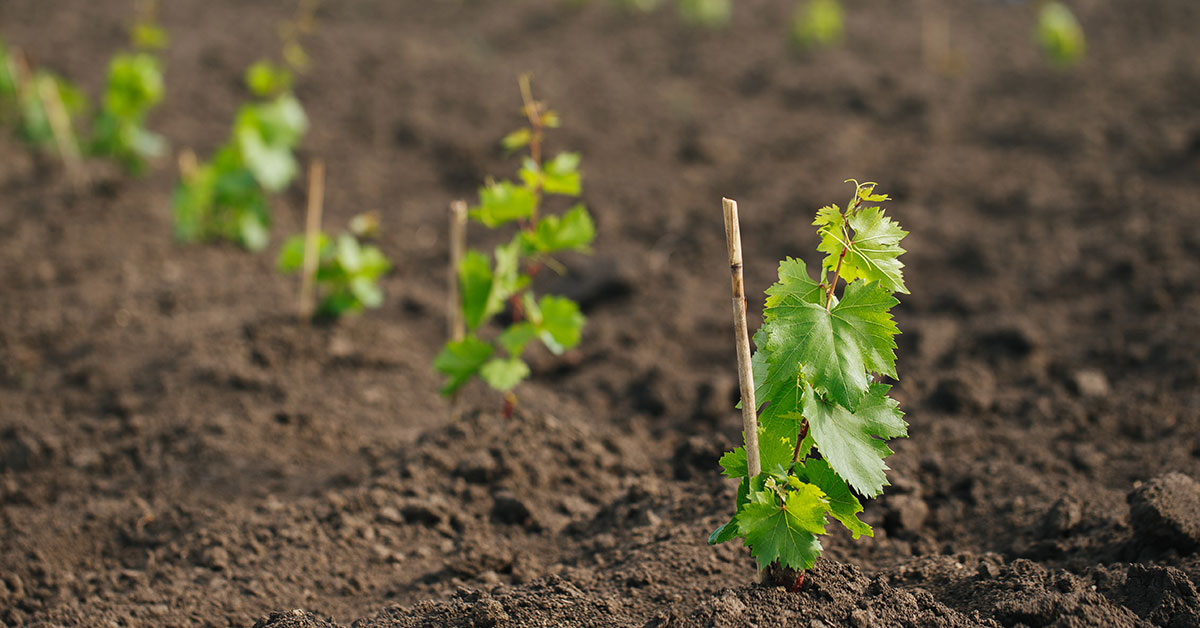

Welcome to the world of grape cultivation in Zone 9! If you’re a gardening enthusiast or a wine lover looking to grow your own grapes, you’ve come to the right place. Zone 9, which encompasses regions with mild winters and hot summers, provides an ideal climate for grapevines to thrive. However, timing is crucial when it comes to planting grapes in this zone. In this article, we will explore the best time to plant grapes in Zone 9, taking into consideration the specific climatic conditions and factors that can influence the success of your grape-growing venture.
Whether you’re planning to grow table grapes for fresh consumption or wine grapes for your own winemaking, understanding the optimal planting window will set you on the path to a bountiful harvest. So, let’s dive in and discover the perfect time to get those grapevines in the ground in Zone 9!
Best grape varieties to grow in Zone 9
In Zone 9, where the climate is warm and mild, there are several grape varieties that thrive. Here are a few grape varieties that are well-suited for Zone 9:
- Thompson Seedless: This is a popular table grape variety known for its sweet, juicy berries. It is also used for raisins and wine production.
- Flame Seedless: Another excellent table grape variety, Flame Seedless produces large, red berries that are sweet and flavorful.
- Black Monukka: This grape variety is known for its large, black berries with a unique muscat flavor. It is often used for table consumption and raisin production.
- Red Globe: Red Globe is a versatile grape variety that is suitable for both table consumption and wine production. It produces large, round, red berries with a mild, sweet taste.
- Crimson Seedless: This seedless grape variety is highly productive and produces medium-sized, red berries that are sweet and crisp.
- Muscat of Alexandria: Muscat of Alexandria is an aromatic grape variety with large, oval-shaped berries. It is commonly used for table consumption and wine production.
These grape varieties are well-adapted to the warm climate of Zone 9 and can thrive with proper care and maintenance. However, it’s always a good idea to check with local nurseries or agricultural extension offices for specific recommendations based on your exact location within Zone 9.
When to plant grape vines in Zone 9
In Zone 9, the best time to plant grape vines is typically in late winter or early spring when the soil has warmed up and the threat of frost has passed. This allows the vines to establish their root systems before the hot summer months.
It’s important to note that these are general guidelines, and local climate conditions can vary within each hardiness zone. It’s always a good idea to consult with local gardening experts or extension offices for specific recommendations based on your location.
How to grow grapes in Zone 9
Growing grapes requires careful planning and attention to detail. Here are the steps and considerations involved in successfully growing grapes:
- Selecting the right variety: Choose a grape variety that is suitable for your climate, soil type, and intended use (eating, winemaking, or both). Consult with local nurseries or agricultural extension services to determine the best varieties for your area.
- Site selection: Grapes thrive in full sun, so select a site that receives at least 6-8 hours of direct sunlight per day. Ensure good air circulation to prevent diseases. Avoid low-lying areas prone to frost or excessive moisture.
- Soil preparation: Grapes prefer well-drained soil with a pH level between 5.5 and 7.0. Conduct a soil test to determine its composition and make necessary amendments. Improve drainage by adding organic matter like compost or well-rotted manure.
- Planting: Plant grapevines in early spring or fall, when the soil is workable. Dig a hole deep and wide enough to accommodate the roots. Place the vine in the hole, spreading the roots out. Backfill with soil, firming it gently around the roots. Space the vines according to the variety’s recommended spacing.
- Trellis or support system: Grapes need support to grow properly. Install a trellis system or provide a sturdy support structure like a fence or pergola. Ensure the trellis is strong enough to bear the weight of the vines and grapes.
- Pruning: Pruning is crucial for grapevines to maintain their shape, promote airflow, and maximize fruit production. Prune during the dormant season, removing old wood and shaping the vine. Consult pruning guides specific to your grape variety for proper techniques.
- Watering: Grapes require regular watering, especially during the growing season. Provide deep, infrequent waterings to encourage deep root growth. Avoid overwatering, as it can lead to root rot. Mulching around the base of the vines helps retain moisture and suppress weeds.
- Fertilizing: Grapevines benefit from regular fertilization. Apply a balanced fertilizer in early spring and again in early summer. Avoid excessive nitrogen, as it can promote excessive vegetative growth at the expense of fruit production.
- Pest and disease management: Monitor your grapevines regularly for pests like aphids, mites, and birds. Use organic pest control methods whenever possible. Common grape diseases include powdery mildew, downy mildew, and black rot. Employ preventive measures like proper pruning, good airflow, and fungicide applications if necessary.
- Harvesting: Grapes are ready for harvest when they reach their desired sweetness and color. Different grape varieties have different ripening times, so monitor them closely. Harvest by cutting the grape clusters from the vine, leaving a small stem attached.
Remember, growing grapes requires patience and ongoing care. Regular maintenance, including pruning, watering, and pest management, is essential for healthy vine growth and a bountiful harvest.
When to harvest grapes
In Zone 9, the ideal time to pick grapes depends on the specific variety you are growing. However, as a general guideline, grape harvesting typically occurs in late summer to early fall, usually between August and October.
To determine the exact time to pick your grapes, you should consider the following factors:
- Variety: Different grape varieties have different maturation periods. Some varieties ripen earlier, while others take longer. Consult the specific information provided by the grape variety you are growing to determine its expected harvest time.
- Taste and Sugar Content: Grapes are usually harvested when they reach their desired sweetness level. Taste a few grapes from different clusters and monitor their sugar content using a refractometer. The ideal sugar content for harvesting grapes is typically between 22 to 24 Brix.
- Color and Firmness: Grapes change color as they ripen. Red varieties will turn from green to red or purple, while white varieties become more translucent. Additionally, the grapes should feel firm but not too hard when gently squeezed.
- Acid Levels: Grapes are also harvested based on their acid levels. The acidity decreases as the grapes ripen. If you prefer a more acidic taste, you can harvest the grapes slightly earlier. However, if you prefer a sweeter taste, wait until the acid levels have reduced.
- Weather Conditions: Keep an eye on the weather forecast as you approach the expected harvest time. Extreme heat, heavy rain, or other adverse weather conditions can impact the quality of the grapes. If severe weather is predicted, it may be necessary to harvest the grapes earlier to avoid damage.
Remember, these are general guidelines, and it is essential to consider the specific characteristics of the grape variety you are growing. Monitoring the taste, sugar content, color, firmness, and weather conditions will help you determine the optimal time to pick your grapes in Zone 9.
Common grape vine problems and fixes
There are several common problems that grape vines can face, along with their respective fixes:
- Powdery Mildew: This fungal disease appears as a white powdery coating on leaves, shoots, and fruit. To control it, ensure proper airflow by pruning vines to allow sunlight penetration and reduce humidity. Apply fungicides specifically designed for powdery mildew control, following the manufacturer’s instructions.
- Downy Mildew: This disease causes yellow spots on leaves, which eventually turn brown. To prevent it, maintain good airflow and avoid overhead watering. Apply fungicides labeled for downy mildew control, especially during wet periods.
- Black Rot: Black rot affects fruit, causing brown, circular lesions with black centers. Prune vines to improve airflow, remove infected fruit, and clean up fallen leaves to reduce overwintering sources. Apply fungicides labeled for black rot control, starting at bud break and continuing throughout the growing season.
- Grapevine Leafhoppers: These small insects suck sap from leaves, causing yellowing, curling, and stunted growth. Use insecticidal soaps or horticultural oils to control leafhoppers, ensuring thorough coverage of both leaf surfaces.
- Birds: Birds can damage or consume grape clusters, especially during ripening. Install bird netting over the vines or use scare devices like reflective tape or decoy predators to deter them.
- Overcropping: When grape vines produce an excessive amount of fruit, it can lead to poor fruit quality and stress on the vine. Thin out excess clusters early in the season to ensure better fruit development and prevent vine exhaustion.
- Improper Pruning: Incorrect pruning can lead to reduced yields and poor vine health. Learn proper pruning techniques for your grape variety and prune during the dormant season to promote optimal growth and fruit production.
Remember, prevention is key to maintaining healthy grape vines. Regular monitoring, proper cultural practices, and timely intervention can help prevent many problems before they become severe.