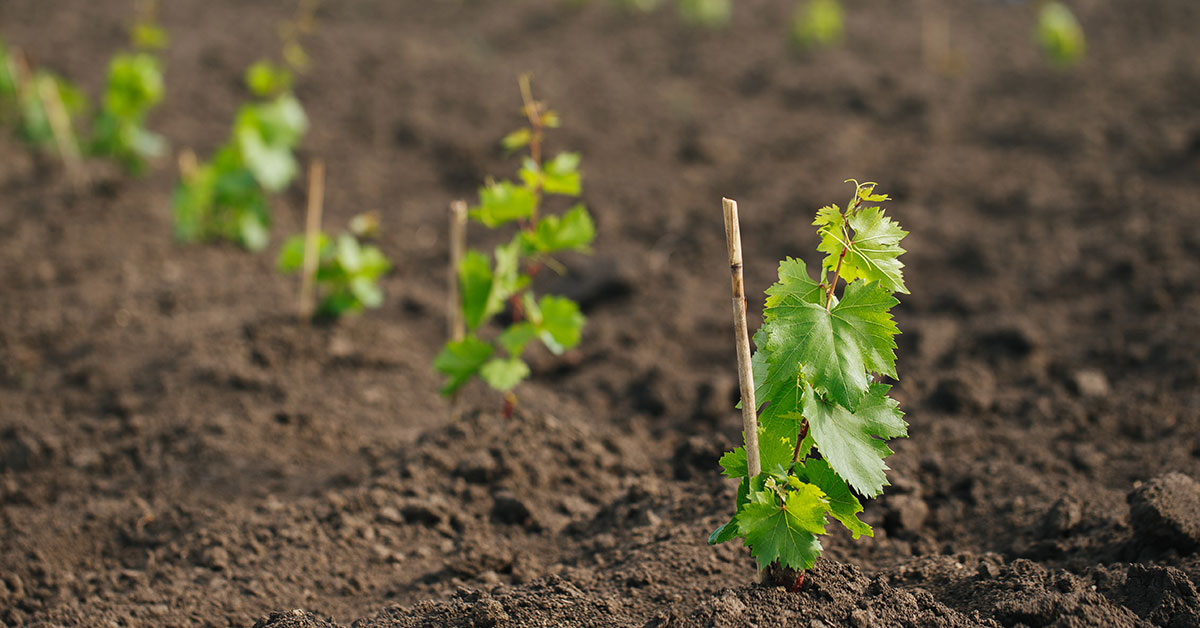

Welcome to the world of grape cultivation in Zone 6! If you’re a gardening enthusiast looking to grow your own grapes, you’ve come to the right place. Zone 6, which covers a wide range of climates across North America, presents a unique set of challenges and opportunities for grape growers. The key to successful grape cultivation lies in understanding the specific requirements of the grapevine and timing your planting accordingly. In this article, we will delve into the factors that influence the ideal time to plant grapes in Zone 6, considering both the climate and the characteristics of different grape varieties.
Whether you’re a seasoned grape grower or a beginner eager to embark on this fruitful journey, read on to discover the best practices for planting grapes in Zone 6 and set yourself up for a bountiful harvest.
Best grape varieties to grow in Zone 6
In Zone 6, which is characterized by cold winters and mild summers, there are several grape varieties that thrive. Here are some grape varieties that are well-suited for growing in Zone 6:
- Concord: Concord grapes are popular for their sweet flavor and are commonly used for making grape juice, jelly, and wine. They are hardy and can withstand colder temperatures.
- Niagara: Niagara grapes are similar to Concord grapes but have a milder flavor. They are also excellent for making juice, jelly, and wine. Niagara grapes are known for their productivity and disease resistance.
- Catawba: Catawba grapes are versatile and can be used for making juice, wine, and even table grapes. They have a sweet and slightly spicy flavor. Catawba grapes are hardy and can tolerate colder temperatures.
- Chambourcin: Chambourcin grapes are a hybrid variety known for their ability to withstand colder climates. They produce medium-bodied red wine with flavors of black cherry and plum. Chambourcin grapes require proper pruning and disease management.
- Seyval Blanc: Seyval Blanc is a white grape variety that is well-suited for cooler climates. It produces crisp, dry white wine with citrus and floral notes. Seyval Blanc grapes are disease-resistant and can tolerate colder temperatures.
- Vidal Blanc: Vidal Blanc is another white grape variety that thrives in Zone 6. It produces wines with a range of styles, from dry to sweet. Vidal Blanc grapes have good disease resistance and can withstand colder temperatures.
It’s important to note that while these grape varieties are well-suited for Zone 6, specific microclimates within the zone may have different conditions. It’s always a good idea to consult with local experts or extension services for the best grape varieties for your specific location.
When to plant grape vines in Zone 6
In Zone 6, which includes states like Pennsylvania, Ohio, and parts of New York, the best time to plant grape vines is typically in the early spring or late fall. However, it’s important to note that the exact timing may vary depending on the specific location within Zone 6.
In general, planting grape vines in early spring allows them to establish their root systems before the heat of summer, while planting in late fall allows them to settle in before the winter dormancy period. These times provide optimal conditions for the vines to adapt and grow successfully.
It’s important to consider the specific microclimate of your location within Zone 6, as factors like elevation, proximity to bodies of water, and local weather patterns can influence the ideal planting time. Consulting with local gardening experts or contacting your county’s agricultural extension office can provide more precise information tailored to your specific area.
How to grow grapes in Zone 6
Growing grapes requires careful planning and attention to detail. Here are the steps and considerations involved in successfully growing grapes:
- Site Selection: Choose a location that receives full sun for at least 6-8 hours a day. Ensure good air circulation and well-drained soil. Grapes prefer slightly acidic soil with a pH between 5.5 and 7.
- Variety Selection: Select grape varieties that are suitable for your climate and intended use (eating, wine-making, or both). Consult with local nurseries or agricultural extension services to determine the best varieties for your region.
- Soil Preparation: Prepare the soil by removing weeds, rocks, and debris. Amend the soil with organic matter, such as compost or well-rotted manure, to improve drainage and fertility.
- Planting: Plant grapevines in early spring or late fall when the soil is workable. Dig a hole deep enough to accommodate the roots and wide enough to spread them out. Place the vine in the hole, backfill with soil, and tamp it down gently. Space the vines 6-10 feet apart in rows with 8-10 feet between rows.
- Trellis and Support: Install a trellis system or support structure to train the grapevines. This helps with air circulation, sunlight exposure, and ease of maintenance. Common trellis systems include the high cordon, Geneva double curtain, or single curtain.
- Pruning: Prune grapevines during the dormant season (late winter or early spring) to remove old wood, maintain shape, and promote new growth. Pruning also helps control diseases and improves fruit quality. Consult pruning guides specific to your grape variety.
- Watering: Provide regular and consistent watering, especially during the growing season. Grapes require about 1 inch of water per week. Avoid overwatering, as it can lead to root rot and fungal diseases. Use drip irrigation or soaker hoses to deliver water directly to the roots.
- Fertilization: Apply a balanced fertilizer in early spring before bud break. Avoid excessive nitrogen, as it can promote excessive vegetative growth at the expense of fruit production. Conduct soil tests periodically to determine specific nutrient needs.
- Pest and Disease Management: Monitor grapevines regularly for pests such as aphids, mites, and grape berry moths. Use organic or chemical controls as necessary. Common grape diseases include powdery mildew, downy mildew, and black rot. Follow integrated pest management practices and consider disease-resistant grape varieties.
- Harvesting: Grapes are ready for harvest when they reach their desired sweetness and color. Different grape varieties have different ripening times. Harvest by cutting the grape clusters from the vine and handle them gently to avoid damaging the fruit.
Remember, growing grapes requires patience and ongoing care. Regular monitoring, pruning, and maintenance are essential for healthy and productive grapevines.
When to harvest grapes
In Zone 6, the ideal time to pick grapes will depend on the specific grape variety you are growing. However, as a general guideline, grape harvesting typically occurs in late summer to early fall, usually between August and October.
To determine the exact timing for picking grapes, you need to consider a few factors:
- Grape variety: Different grape varieties have different maturation periods. Some varieties mature earlier, while others take longer. It’s important to know the specific variety you are growing and its average maturation period.
- Taste and sweetness: Grapes should be picked when they reach their optimal sweetness and flavor. This can be determined by tasting the grapes periodically as they approach maturity. The flavor should be balanced, and the sweetness should be at its peak.
- Color and texture: Grapes change color as they ripen. Depending on the variety, grapes may turn from green to red, purple, or even black. Additionally, the texture of the grapes should be slightly soft but not mushy.
- Weather conditions: Keep an eye on the weather forecast as harvest time approaches. If heavy rain or frost is expected, it’s best to harvest the grapes a bit earlier to avoid damage.
- Harvesting for different purposes: If you plan to make wine, you may want to harvest the grapes when they have higher acidity levels. For table grapes, you may prefer a slightly sweeter taste.
Remember, these are general guidelines, and the specific characteristics of your grape variety will ultimately determine the best time to pick. It’s always a good idea to consult local grape growers or agricultural extension services for more specific information regarding your particular grape variety and local conditions.
Common grape vine problems and fixes
There are several common problems that grape vines may encounter during their growth. Here are a few of them along with their potential fixes:
- Powdery Mildew: Powdery mildew is a fungal disease that appears as a white powdery coating on leaves, shoots, and fruit. To control it, you can use fungicides specifically formulated for powdery mildew, prune the vines to improve air circulation, and remove and destroy infected plant material.
- Downy Mildew: Downy mildew is another fungal disease that causes yellow spots on leaves and a fuzzy gray growth on the undersides. To prevent and manage it, you can apply copper-based fungicides, ensure good air circulation, and avoid overhead watering.
- Black Rot: Black rot affects the fruit, causing brown, circular lesions with black centers. To control it, remove and destroy infected fruit and leaves, prune vines to improve air circulation, and apply fungicides during the growing season.
- Grapevine Leafhoppers: Leafhoppers are small insects that suck sap from grape leaves, causing yellowing, curling, and stunted growth. To manage them, you can use insecticidal soaps or oils, introduce beneficial insects like ladybugs, and maintain a healthy vineyard ecosystem.
- Birds: Birds can be a significant problem, especially when the grapes are ripening. To protect your grapes, you can use netting or bird scare devices like reflective tape or scare balloons.
- Improper Pruning: Incorrect pruning can lead to reduced yields and poor vine health. It is essential to learn proper pruning techniques for grapevines, as each variety has specific requirements. Consult pruning guides or seek advice from local experts to ensure you’re pruning correctly.
- Nutrient Deficiencies: Grapevines require specific nutrients to thrive. Common deficiencies include nitrogen, potassium, and magnesium. Conduct a soil test to identify deficiencies and apply appropriate fertilizers or amendments to address them.
Remember, prevention is always better than cure. Maintaining good vineyard hygiene, providing adequate sunlight, proper irrigation, and regular monitoring can help prevent many of these problems. Additionally, selecting disease-resistant grape varieties suitable for your region can also minimize the risk of diseases.