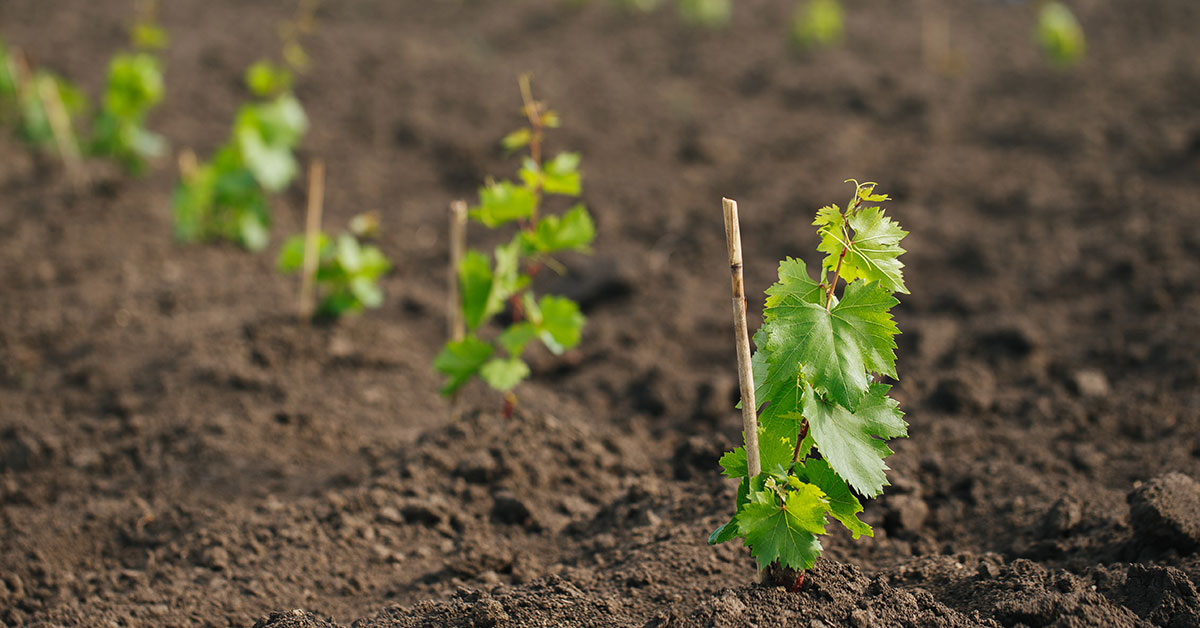

Welcome to the world of growing grapes in Zone 4! Growing grapes in colder regions can be a rewarding and fruitful endeavor, but it requires careful planning and consideration. Zone 4, which experiences cold winters and shorter growing seasons, presents unique challenges for grape growers. However, with the right knowledge and techniques, you can successfully establish a thriving grapevine in your garden or vineyard.
In this article, we will explore the optimal timing for planting grapes in Zone 4, taking into account the specific climatic conditions and the characteristics of grape varieties that are best suited for this region. Whether you are a novice grape grower or an experienced enthusiast, read on to discover the ideal time to plant grapes and set yourself up for a successful harvest in Zone 4.
Best grape varieties to grow in Zone 4
In Zone 4, where the average minimum winter temperature ranges from -30 to -20 degrees Fahrenheit (-34 to -29 degrees Celsius), it is important to choose grape varieties that are cold-hardy and can withstand these harsh conditions. Here are some grape varieties that are known to perform well in Zone 4:
- Frontenac: This red wine grape variety is highly cold-hardy and can tolerate temperatures as low as -30 degrees Fahrenheit (-34 degrees Celsius). It produces medium-sized clusters of dark red grapes with good disease resistance.
- Marquette: Another cold-hardy red wine grape, Marquette can withstand temperatures as low as -30 degrees Fahrenheit (-34 degrees Celsius). It produces high-quality, deeply colored grapes and is known for its resistance to common grape diseases.
- La Crescent: This white wine grape variety is cold-hardy and can tolerate temperatures down to -30 degrees Fahrenheit (-34 degrees Celsius). It produces aromatic grapes with flavors of apricot, citrus, and tropical fruits.
- Frontenac Gris: A mutation of Frontenac, this gray-skinned grape variety is also cold-hardy and can withstand temperatures as low as -30 degrees Fahrenheit (-34 degrees Celsius). It produces grapes with a pinkish-gray color and is suitable for both wine production and eating fresh.
- Valiant: Valiant is a versatile grape variety that can be used for wine, juice, or jelly. It is cold-hardy and can tolerate temperatures as low as -30 degrees Fahrenheit (-34 degrees Celsius). It produces small to medium-sized clusters of blue-black grapes.
- Swenson Red: Developed by Elmer Swenson, a renowned grape breeder known for his work in cold-hardy varieties, Swenson Red is a red wine grape that can withstand temperatures as low as -30 degrees Fahrenheit (-34 degrees Celsius). It produces grapes with a deep red color and good disease resistance.
These are just a few examples of grape varieties that can thrive in Zone 4. It is always recommended to consult with local nurseries or agricultural extension offices for more specific recommendations based on your exact location within Zone 4.
When to plant grape vines in Zone 4
In Zone 4, the best time to plant grape vines is in the spring, after the last frost date. This typically falls between late April and early May. Planting in the spring allows the vines to establish their root systems before the heat of summer arrives.
For other hardiness zones, here are the recommended planting times:
- Zone 3: Similar to Zone 4, it is best to plant grape vines in the spring after the last frost date, which is usually in late April or early May.
- Zone 5: In Zone 5, the best time to plant grape vines is also in the spring, after the last frost date. This typically falls between late April and mid-May.
- Zone 6: In Zone 6, grape vines can be planted in both spring and fall. Spring planting should be done after the last frost date, which is usually in late March or early April. Fall planting can be done in early October, allowing the vines to establish roots before winter.
- Zone 7: In Zone 7, grape vines can be planted in both spring and fall. Spring planting should be done after the last frost date, which is usually in late February or early March. Fall planting can be done in early October, giving the vines time to establish before winter.
It’s important to note that these are general guidelines, and local conditions and microclimates can vary. It’s always best to consult with local gardening experts or extension offices for more specific planting recommendations based on your exact location.
How to grow grapes in Zone 4
Growing grapes requires careful planning and attention to detail. Here are the steps and considerations involved in successfully growing grapes:
- Climate and Location: Grapes thrive in regions with a Mediterranean climate, characterized by warm summers and mild winters. Choose a location with full sun exposure, good air circulation, and well-drained soil.
- Soil Preparation: Grapes prefer deep, loamy soil with a pH level between 6.0 and 6.5. Before planting, amend the soil with organic matter like compost or well-rotted manure to improve drainage and fertility.
- Variety Selection: Choose grape varieties that are suitable for your climate and intended use (eating, winemaking, or raisins). Consult with local nurseries or agricultural extension services to determine the best varieties for your region.
- Planting: Plant grapevines in early spring when the soil is workable. Dig a hole large enough to accommodate the root system, and space the vines 6 to 10 feet apart. Ensure that the graft union (the swollen area where the vine was grafted onto the rootstock) is above the soil line.
- Trellis and Support: Grapes require a trellis or support system to grow properly. Install sturdy posts and wires to support the vines as they grow. The trellis should be at least 6 feet tall to allow for adequate air circulation and sunlight exposure.
- Watering: Provide consistent moisture during the growing season, especially during dry periods. Grapes require about 1 inch of water per week. Avoid overwatering, as excessive moisture can lead to disease issues.
- Pruning: Pruning is essential for grapevines to maintain their shape, promote fruit production, and prevent disease. Prune in late winter or early spring before the buds break. Remove old wood, weak canes, and excess growth, leaving only the healthiest canes.
- Fertilization: Apply a balanced fertilizer in early spring before the growing season begins. Avoid excessive nitrogen, as it can promote vegetative growth at the expense of fruit production. Monitor the nutrient levels in the soil and adjust fertilization accordingly.
- Pest and Disease Management: Grapes are susceptible to various pests and diseases, including aphids, birds, powdery mildew, and fungal infections. Regularly inspect the vines for signs of damage or infestation, and take appropriate measures such as using organic pesticides or netting to protect the fruit.
- Harvesting: Grapes are ready for harvest when they reach their desired sweetness and color. Harvest time varies depending on the variety and intended use. Taste a few grapes to determine if they are ripe. Cut the bunches from the vine using sharp pruning shears.
By following these steps and considering the specific needs of your grape variety, you can successfully grow healthy and productive grapevines.
When to harvest grapes
In Zone 4, which typically experiences cold winters and shorter growing seasons, the timing for picking grapes can vary depending on the grape variety you are growing. However, most grape varieties in Zone 4 are ready for harvest in late summer or early fall, typically between late August and early October.
To determine the exact timing for picking grapes, it is important to consider the specific grape variety you are growing, as different varieties have different ripening periods. Some common grape varieties that can thrive in Zone 4 include Frontenac, Marquette, Concord, and Niagara.
To determine if your grapes are ready for harvest, you can look for signs of ripeness such as changes in color. For example, red grapes will turn from green to a deep red or purple when they are ripe, while green or white grapes may become slightly translucent or develop a yellowish hue. Additionally, grapes should feel slightly soft to the touch when gently squeezed.
It is also crucial to monitor the sugar content or Brix level of the grapes. Ideally, grapes should have a Brix level of around 22-24 for table grapes and 24-26 for wine grapes. You can use a refractometer to measure the Brix level, which indicates the sugar content and overall ripeness of the grapes.
Lastly, pay attention to the weather conditions in your specific area. If frost or heavy rain is forecasted, it is advisable to harvest the grapes earlier to prevent damage or dilution of flavors.
Overall, it is recommended to keep track of the specific grape variety you are growing, observe the color and texture changes, and measure the Brix level to determine the optimal time for picking grapes in Zone 4.
Common grape vine problems and fixes
There are several common problems that grape vines can face, along with their respective fixes:
- Powdery Mildew: This fungal disease appears as a white, powdery substance on the leaves, shoots, and berries. To fix this issue, use fungicides specifically formulated for powdery mildew control. Ensure good air circulation by pruning the vines to allow sunlight to reach the foliage, and remove any infected plant material.
- Downy Mildew: Downy mildew causes yellow spots on the upper surface of leaves, with a downy growth on the undersides. To combat this, apply copper-based fungicides during the growing season and remove infected leaves. Proper spacing and pruning to increase air circulation can also help prevent this disease.
- Black Rot: Black rot causes brown, circular lesions on leaves, stems, and fruit. Infected berries become shriveled and black. To manage black rot, remove and destroy infected plant material, and apply fungicides during the growing season. Pruning to improve air circulation and sunlight penetration can also be beneficial.
- Grapevine Leafhoppers: These insects feed on grape leaves, causing yellowing, curling, and stunted growth. To control leafhoppers, use insecticides labeled for grapevines, and consider introducing beneficial insects like ladybugs or lacewings. Regularly inspect the vines and remove any affected leaves.
- Birds: Birds can be a significant problem, especially during the ripening stage. To protect your grapes, cover the vines with netting or use scare devices like reflective tape or decoy predators. Harvesting the grapes promptly can also minimize bird damage.
- Poor Fruit Set: Inadequate pollination or unfavorable weather conditions can lead to poor fruit set. To improve fruit set, ensure proper pollination by attracting bees and other pollinators to your garden. Additionally, avoid excessive nitrogen fertilization, as it can promote vegetative growth at the expense of fruit production.
- Overcropping: When grapevines produce an excessive number of clusters, it can strain the plant and result in poor fruit quality. To prevent overcropping, thin out excess grape clusters early in the season, leaving only the healthiest ones. This allows the vine to allocate its resources more effectively.
Remember, prevention is key to maintaining healthy grapevines. Regularly inspecting your plants, providing adequate sunlight, air circulation, and moisture, and practicing good sanitation in the vineyard can help prevent many common problems.