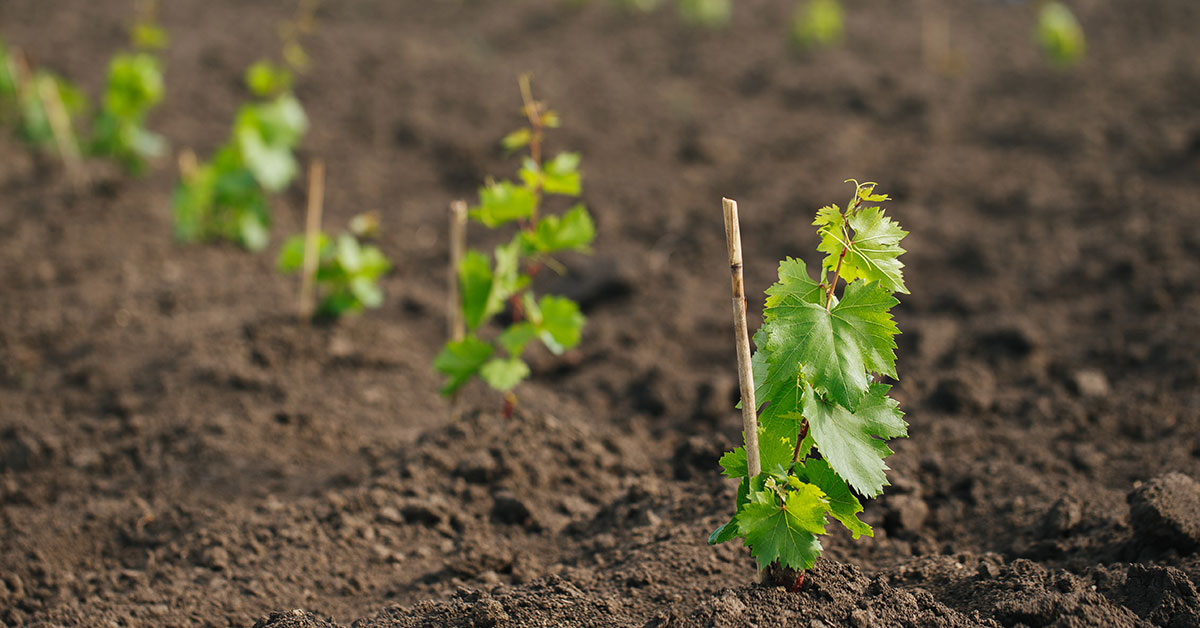

Welcome to the world of grape cultivation in Zone 12! If you’re a gardening enthusiast looking to grow your own delicious grapes, you’ve come to the right place. Zone 12, which encompasses regions with a warm and tropical climate, offers ideal conditions for grapevines to thrive. However, timing is crucial when it comes to planting grapes, as it can greatly impact the success of your harvest. In this article, we will explore the best time to plant grapes in Zone 12, taking into consideration the unique climate and seasonal variations of this region.
Whether you are a seasoned grape grower or a beginner, this guide will provide you with valuable insights and tips to ensure a bountiful grape harvest in Zone 12. So, let’s dive in and discover the perfect time to get your grapevines in the ground!
Best grape varieties to grow in Zone 12
In Zone 12, which is a tropical climate with high temperatures and year-round warmth, certain grape varieties thrive better than others. Here are some grape varieties that are known to perform well in Zone 12:
- Flame Seedless: Flame Seedless is a popular table grape variety that produces medium-sized, seedless grapes with a sweet flavor. It is known for its excellent heat tolerance and can withstand the high temperatures of Zone 12.
- Thompson Seedless: Another seedless table grape variety, Thompson Seedless, is well-suited for Zone 12. It produces small to medium-sized grapes that are sweet and juicy. This variety is also used for making raisins.
- Black Monukka: Black Monukka is a black seedless grape variety that can thrive in Zone 12. It produces large, sweet grapes with a muscat flavor. It is a versatile grape that can be eaten fresh or used for making wine or raisins.
- Red Globe: Red Globe is a popular red table grape variety that can tolerate the heat of Zone 12. It produces large, round grapes with a crisp texture and a sweet taste. This variety is often used for fresh consumption but can also be used for making juice or wine.
- Perlette: Perlette is a white seedless grape variety that performs well in Zone 12. It produces small to medium-sized grapes with a mild, sweet flavor. It is a good choice for eating fresh or using in salads and desserts.
It’s important to note that while these grape varieties are known to do well in Zone 12, they still require proper care and maintenance, including regular watering, adequate sunlight, and appropriate soil conditions, to ensure optimal growth and fruit production.
When to plant grape vines in Zone 12
In Zone 12, which is characterized by warm and tropical climates, the best time to plant grape vines is during the cooler months of the year when temperatures are milder. The ideal planting time is typically in late fall or early winter, between November and January.
For other hardiness zones, the best time to plant grape vines varies depending on the climate and temperature conditions. Here are the recommended planting times for each zone:
It’s important to note that these are general guidelines, and local conditions and microclimates can affect the best planting times. It’s always a good idea to consult with local gardening experts or agricultural extension offices for specific recommendations based on your exact location within each hardiness zone.
How to grow grapes in Zone 12
Growing grapes requires careful planning and attention to detail. Here are the steps and considerations to keep in mind:
- Choose the Right Variety: Select a grape variety that is suitable for your climate and intended use, whether it’s for eating, winemaking, or making raisins. Consult with local nurseries or agricultural extension offices to determine the best varieties for your region.
- Site Selection: Grapes need a sunny location with well-drained soil. Choose a spot with good air circulation to prevent diseases. Avoid low-lying areas prone to frost or areas with heavy clay soil that retains water.
- Soil Preparation: Test your soil to determine its pH level and nutrient content. Grapes prefer slightly acidic soil with a pH range of 6.0 to 6.5. Amend the soil with organic matter, such as compost or well-rotted manure, to improve its fertility and drainage.
- Planting: Plant grapevines in early spring, after the danger of frost has passed. Dig a hole deep and wide enough to accommodate the root system. Place the vine in the hole, ensuring that the graft union (if present) is above the soil level. Backfill the hole with soil, firming it gently around the roots.
- Trellis and Support: Grapes need a trellis or support system to grow properly. Install sturdy posts and wires to provide support for the vines. The trellis should be at least 6 feet high to allow for proper air circulation and sunlight exposure.
- Pruning: Pruning is essential for grapevines to maintain their shape, control growth, and promote fruit production. Prune during the dormant season (late winter or early spring) to remove old wood and shape the vine. Consult pruning guides specific to your grape variety for proper techniques.
- Watering: Grapes require regular watering, especially during the growing season. Provide deep, infrequent waterings to encourage deep root growth. Avoid overwatering, as it can lead to root rot and other diseases. Mulching around the base of the vine can help retain moisture and suppress weeds.
- Fertilization: Grapevines benefit from regular fertilization to ensure healthy growth and fruit production. Apply a balanced fertilizer, such as a 10-10-10 or 14-14-14, in early spring before bud break. Follow the manufacturer’s instructions for application rates.
- Pest and Disease Management: Grapes are susceptible to various pests and diseases, including aphids, powdery mildew, and grapevine leafhoppers. Monitor your vines regularly and take appropriate measures to control pests and diseases, such as using organic insecticides or fungicides.
- Harvesting: Grapes are ready for harvest when they reach their desired sweetness and color. Different grape varieties have different ripening times, so monitor the grapes closely. Harvest by cutting the clusters from the vine, leaving a small stem attached.
Remember, growing grapes can be a long-term commitment, as vines can take several years to mature and produce a significant crop. Patience and consistent care will yield delicious results in the form of juicy, homegrown grapes.
When to harvest grapes
In Zone 12, where the climate is typically warm year-round, the timing for grape harvest can vary depending on the specific grape variety you are growing. However, as a general guideline, grape harvest in Zone 12 usually occurs between late summer and early fall.
To determine the optimal time for picking grapes, it is important to consider the grape variety’s specific ripening characteristics. Grapes typically go through several stages of ripening, starting from green and progressing to their desired color (such as red, purple, or greenish-yellow) as they become sweeter and more flavorful.
To determine the right time for harvest, you can monitor the grape clusters closely. Look for signs of ripening such as changes in color, increased sweetness, and softening of the grapes. Additionally, you can perform periodic taste tests to assess the flavor development.
It is also helpful to refer to the specific grape variety’s recommended harvest time. Different grape varieties have different maturation periods, and some may be ready for harvest earlier or later in the season. Consulting local agricultural extension services, grape-growing associations, or experienced local grape growers can provide valuable insights into the ideal harvest time for specific grape varieties in your area.
Remember that weather conditions, such as excessive heat or rain, can impact grape ripening and harvest timing. It is important to monitor the weather forecast and adjust your harvest plans accordingly to ensure the grapes are picked at their peak flavor and quality.
Common grape vine problems and fixes
There are several common problems that grape vines may encounter during their growth. Here are a few of them along with their possible fixes:
- Powdery Mildew: Powdery mildew is a fungal disease that appears as a white powdery coating on the leaves, shoots, and fruit. To fix this issue, you can use fungicides specifically formulated for powdery mildew control. Additionally, ensure proper air circulation around the vines by pruning and spacing them adequately.
- Downy Mildew: Downy mildew is another fungal disease that causes yellow spots on the upper surface of leaves, accompanied by a downy growth on the undersides. To combat downy mildew, apply copper-based fungicides during the dormant season and use fungicides labeled for downy mildew control during the growing season. Proper pruning and spacing to increase airflow can also help prevent this disease.
- Grapevine Leafroll Disease: Grapevine leafroll disease causes the leaves to curl and turn red or purple. Unfortunately, there is no cure for this viral disease. The best approach is to prevent its spread by using certified virus-free planting material and removing infected vines.
- Grape Berry Moth: Grape berry moth larvae can damage grape clusters by feeding on the berries. To control this pest, you can use insecticides specifically designed for grape berry moth control. Additionally, practicing good vineyard sanitation by removing and destroying infested berries can help reduce their population.
- Birds: Birds can be a significant problem, especially during the ripening stage when they feed on the grapes. To protect your crop, you can use netting or bird scare devices like reflective tape or scare-eye balloons. Harvesting the grapes as soon as they reach maturity can also minimize bird damage.
- Improper Pruning: Incorrect pruning can lead to reduced yields, poor fruit quality, and disease susceptibility. Ensure you follow proper pruning techniques, removing dead or diseased wood, and maintaining a balanced structure for the vine.
Remember, prevention is key in maintaining healthy grape vines. Regular monitoring, proper irrigation, adequate nutrition, and maintaining a clean vineyard environment can help prevent many common problems. If you encounter specific issues, it’s always beneficial to consult with a local agricultural extension office or a grape-growing expert for tailored advice.