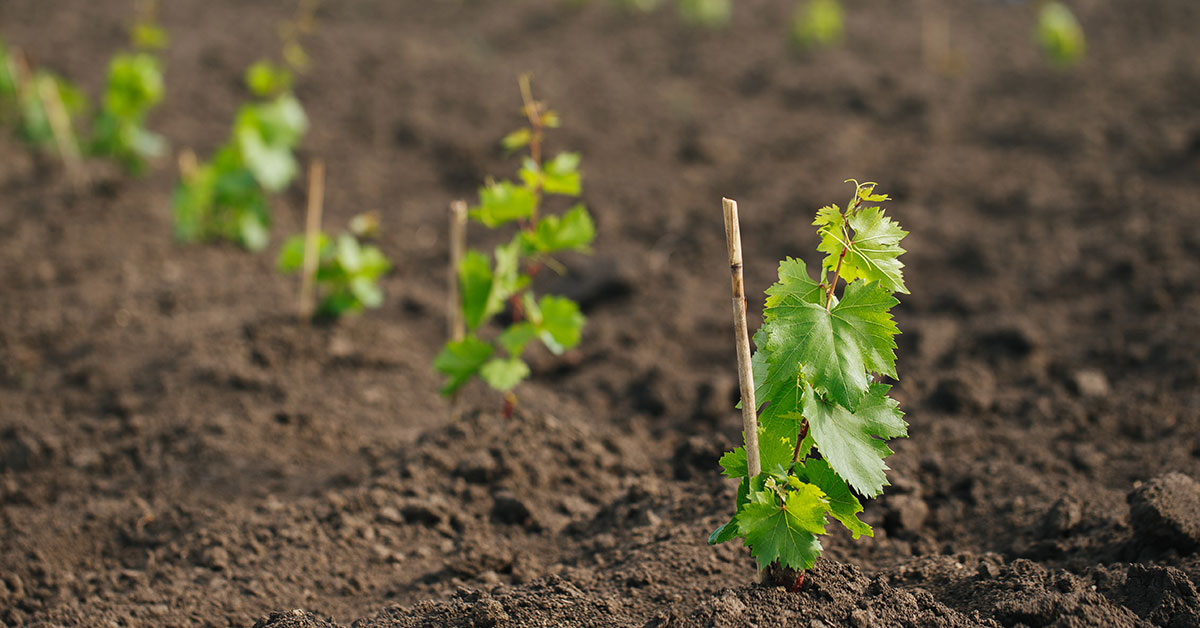

Welcome to the world of grape growing in Zone 11! If you’re lucky enough to live in this warm and sunny climate, you have the perfect conditions for cultivating delicious and juicy grapes. However, before you embark on your grape-growing journey, it’s essential to understand the best time to plant these vines. Zone 11, which includes regions with year-round warm temperatures, presents a unique set of challenges and opportunities for grape growers. In this article, we will delve into the ideal planting time for grapes in Zone 11, taking into consideration the specific climate, soil conditions, and other factors that will contribute to your success as a grape grower in this zone.
Best grape varieties to grow in Zone 11
In Zone 11, which is characterized by a tropical climate with high temperatures year-round, certain grape varieties thrive better than others. Here are a few grape varieties that are well-suited for Zone 11:
- Flame Seedless: Flame Seedless is a popular table grape variety known for its sweet flavor and seedless nature. It is a vigorous grower and can tolerate the heat of Zone 11 well.
- Red Globe: Red Globe is another excellent table grape variety that performs well in Zone 11. It produces large, round, and juicy grapes with a mild, sweet taste.
- Thompson Seedless: Thompson Seedless, also known as Sultana, is a versatile grape variety that can be used for eating fresh, drying into raisins, or making juice. It is a vigorous grower and can handle the heat of Zone 11.
- Black Muscat: Black Muscat is a popular wine grape variety that also produces delicious table grapes. It has a unique muscat flavor and is well-suited for hot climates like Zone 11.
- Perlette: Perlette is a white table grape variety that does well in Zone 11. It has a crisp texture and a sweet, slightly tart flavor.
It’s important to note that even though these grape varieties are suitable for Zone 11, they still require proper care, including regular watering, adequate sunlight, and appropriate soil conditions to thrive.
When to plant grape vines in Zone 11
In Zone 11, which is characterized by a warm and tropical climate, the best time to plant grape vines is during the cooler months of the year. Specifically, the ideal time for planting grape vines in Zone 11 is during the late fall or early winter, typically from November to January. This timing allows the vines to establish their root systems before the onset of the hot and dry summer season.
For other hardiness zones, the best time to plant grape vines may vary. Here are some general guidelines for each zone:
Zone 1-3: These colder zones require planting grape vines in early spring, once the ground has thawed and the risk of frost has passed. This is usually around April or May.
Zone 4-6: In these moderate to cold zones, the best time to plant grape vines is in early spring, similar to Zones 1-3. However, it is advisable to wait until the soil has warmed up a bit, which is typically in late April or early May.
Zone 7-9: These mild to warm zones offer a wider planting window. The best time to plant grape vines in these zones is during the late winter or early spring, from February to April. This allows the vines to establish themselves before the heat of summer arrives.
Zone 10: In this warm zone, the best time to plant grape vines is during the cooler months. Late fall or early winter, from November to January, is the ideal time for planting.
It’s important to note that these are general guidelines, and local climate conditions and specific grape varieties may influence the optimal planting time. It is always recommended to consult with local gardening experts or extension offices for more precise information based on your specific location within each zone.
How to grow grapes in Zone 11
Growing grapes requires careful planning and attention to detail. Here are the steps and considerations involved in successfully growing grapes:
- Site Selection: Choose a location that receives full sun for at least 6-8 hours a day. Ensure good air circulation and well-drained soil. Grapes prefer slightly acidic soil with a pH between 5.5 and 7.
- Variety Selection: Select grape varieties that are suitable for your climate and purpose (eating, wine-making, or both). Consult with local nurseries or agricultural extension offices to determine the best varieties for your region.
- Soil Preparation: Prepare the soil by removing any weeds, rocks, or debris. Amend the soil with organic matter, such as compost or well-rotted manure, to improve drainage and fertility.
- Planting: Plant grapevines in early spring or late fall when the soil is workable. Dig a hole deep and wide enough to accommodate the root system of the vine. Place the vine in the hole, ensuring that the graft union (if present) is above the soil level. Backfill the hole with soil, gently firming it around the roots.
- Trellis and Support: Install a trellis system or support structure before planting. Grapes need a sturdy structure to climb and support their growth. Options include pergolas, arbors, or wire trellises. Ensure the support system is strong enough to bear the weight of the vines and fruit.
- Pruning: Pruning is essential for grapevines to maintain their shape, promote airflow, and maximize fruit production. Prune during the dormant season (late winter or early spring) to remove dead or weak wood and shape the vine. Consult pruning guides specific to your grape variety for proper techniques.
- Watering: Provide regular and consistent watering, especially during the growing season. Grapes need about 1 inch of water per week, either from rainfall or irrigation. Avoid overwatering, as it can lead to root rot and other diseases.
- Fertilization: Apply a balanced fertilizer in early spring before the growing season begins. Follow the instructions on the fertilizer package and avoid excessive nitrogen, as it can promote excessive vegetative growth at the expense of fruit production.
- Pest and Disease Control: Monitor your grapevines regularly for pests and diseases. Common grape pests include aphids, birds, and grapevine moth. Use organic or chemical controls as necessary, following the instructions carefully. Preventative measures like proper pruning, good airflow, and regular inspection can help minimize pest and disease issues.
- Harvesting: Grapes are ready for harvest when they reach their desired sweetness and color. Different grape varieties have different ripening times, so monitor them closely. Harvest by cutting the grape clusters from the vine using sharp shears.
Remember, growing grapes requires patience and consistent care. Regular monitoring, proper pruning, and attention to detail will help you achieve a successful grape harvest.
When to harvest grapes in Zone 11
In Zone 11, which is a tropical or subtropical climate, the ideal time to pick grapes will depend on the specific grape variety you are growing. However, in general, grapes in Zone 11 are typically harvested between late summer and early fall.
To determine the optimal harvest time, you should consider the following factors:
- Variety: Different grape varieties have different maturation periods. Some varieties may ripen earlier in the season, while others may take longer. It is important to know the specific variety you are growing and its expected harvest time.
- Taste and Sugar Content: Grapes are usually harvested when they reach their desired sweetness level. This can be determined by regularly testing the sugar content of the grapes using a refractometer. The ideal sugar content will vary depending on personal preference and the intended use of the grapes (e.g., eating fresh, making wine, or drying).
- Color and Texture: Grapes will change color as they ripen. For example, red grapes will turn from green to red or purple, while green grapes will become more translucent. Additionally, the texture of the grapes should be firm but not too hard or too soft.
- Weather Conditions: Weather conditions can affect the ripening process of grapes. Excessive heat or heavy rains can impact the quality of the fruit. It is important to monitor weather forecasts and consider harvesting the grapes before any extreme weather events.
- Vine Health: The overall health of the grapevine should also be considered. If the vine is showing signs of stress or disease, it may be necessary to harvest the grapes earlier to prevent further damage.
By considering these factors, you can determine the optimal time to harvest grapes in Zone 11 and ensure you are picking them at their peak flavor and quality.
Common grape vine problems and fixes
There are several common problems that grape growers may encounter, along with their respective fixes:
- Powdery Mildew: This fungal disease appears as a white powdery coating on the leaves, stems, and fruit. To control powdery mildew, ensure proper air circulation by pruning the vines to allow sunlight penetration and reduce humidity. Apply fungicides labeled for grape powdery mildew control, following the instructions carefully.
- Downy Mildew: This disease causes yellow spots on the upper leaf surface and a white, fuzzy growth on the underside. To prevent downy mildew, maintain good air circulation, avoid overhead watering, and remove infected leaves. Apply fungicides labeled for grape downy mildew control, following the recommended application schedule.
- Black Rot: Black rot causes circular, brownish-black lesions on leaves, stems, and fruit. Prune vines to improve air circulation, remove and destroy infected plant material, and clean up fallen leaves. Apply fungicides labeled for grape black rot control, following the recommended timing and frequency.
- Grapevine Leafhoppers: These small insects suck sap from leaves, causing yellowing, curling, and stunted growth. Use insecticidal soaps or neem oil to control leafhoppers, applying them according to the product instructions. Encourage beneficial insects like ladybugs and lacewings to help control populations naturally.
- Birds: Birds can damage or consume grape clusters. Use bird netting or scare tactics like reflective tape, scarecrows, or noise-making devices to deter them. Harvest grapes promptly when they reach the desired ripeness to minimize bird attraction.
- Improper Pruning: Incorrect pruning can lead to reduced fruit production and disease susceptibility. Learn proper pruning techniques for your grape variety and prune during the dormant season. Remove weak or dead wood, maintain a balanced canopy, and ensure proper spacing between vines.
- Overwatering or Poor Drainage: Grapevines prefer well-drained soil. Overwatering or poor drainage can lead to root rot and other diseases. Ensure the soil is well-drained and water vines deeply but infrequently, allowing the top few inches of soil to dry out between watering.
Remember, prevention is key in maintaining healthy grapevines. Regularly inspect your vines for signs of pests or diseases, provide adequate nutrition, and maintain good cultural practices to minimize problems and promote vigorous growth.