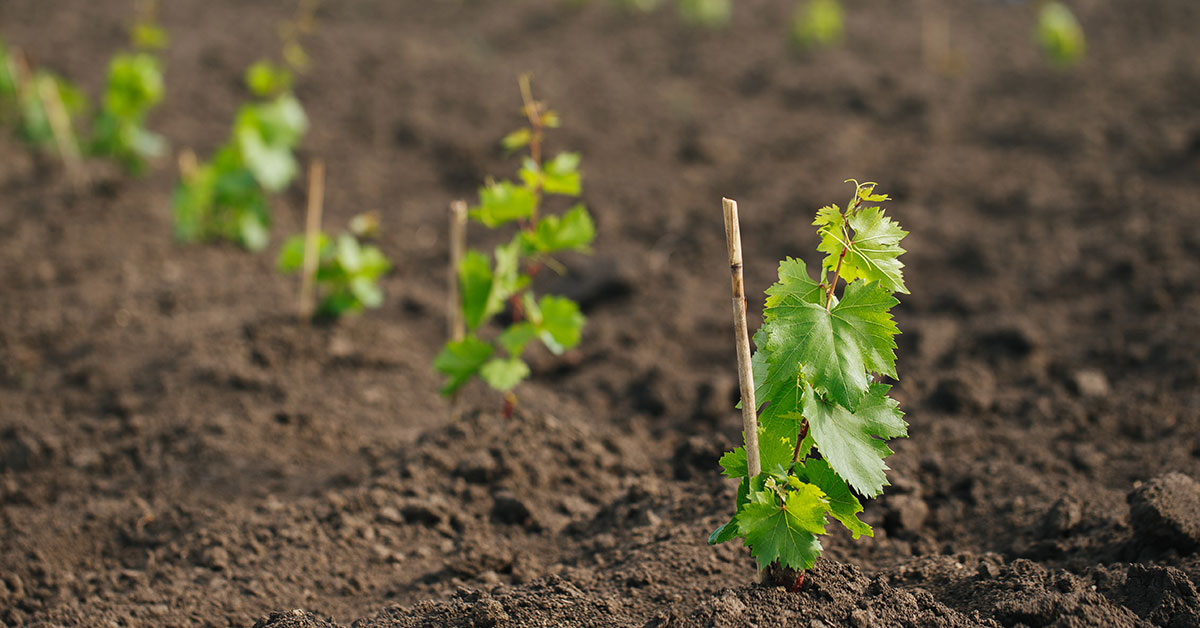

Welcome to the world of grape cultivation in Zone 10, where the warm climate and ample sunshine create ideal conditions for growing this delicious fruit. Zone 10, which encompasses regions with average minimum temperatures ranging from 30 to 40 degrees Fahrenheit (-1 to 4 degrees Celsius), offers a unique opportunity for grape enthusiasts to indulge in their passion. However, timing is crucial when it comes to planting grapes, as it directly affects the success and productivity of your vineyard. In this article, we will explore the best time to plant grapes in Zone 10, taking into consideration the specific characteristics of this climate zone and providing you with valuable insights to ensure a thriving grape-growing experience.
Whether you are a seasoned grape grower or a beginner eager to embark on this fruitful journey, read on to discover the optimal planting time for grapes in Zone 10.
Best grape varieties to grow in Zone 10
In Zone 10, which is characterized by warm temperatures and a long growing season, several grape varieties thrive. Here are some grape varieties that are well-suited for Zone 10:
- Flame Seedless: This red seedless grape variety is popular for its sweet flavor and crisp texture. It is a vigorous grower and produces high yields.
- Thompson Seedless: Also known as Sultana, this green seedless grape is one of the most widely grown varieties. It has a sweet and mild flavor and is commonly used for eating fresh, making raisins, or producing white wine.
- Red Globe: This large, red grape variety is known for its juicy and sweet taste. It is often enjoyed fresh or used for making juice.
- Black Muscat: This black grape variety is highly aromatic and has a rich, musky flavor. It is often used for making dessert wines or enjoyed as a table grape.
- Perlette: This white seedless grape variety is known for its crisp texture and sweet flavor. It is a good choice for eating fresh or making white wine.
- Crimson Seedless: This red seedless grape variety is favored for its sweet taste and firm texture. It is a reliable producer and is suitable for fresh consumption or making juice.
- Princess Seedless: This black seedless grape variety is known for its large berries and sweet flavor. It is often used for eating fresh or making red wine.
When selecting grape varieties for Zone 10, it is essential to consider factors such as disease resistance, heat tolerance, and suitability for your specific microclimate. Local nurseries or agricultural extension offices can provide valuable guidance on the best grape varieties for your specific location within Zone 10.
When to plant grape vines in Zone 10
In Zone 10, which includes areas with mild winters and hot summers, the best time to plant grape vines is during the cooler months of the year. The ideal planting time is typically in late winter or early spring, after the risk of frost has passed and the soil has started to warm up.
For other hardiness zones, here are the recommended planting times:
- Zone 3-4: In these colder regions, it is best to plant grape vines in early spring, once the soil is workable and the danger of frost has diminished.
- Zone 5-6: Plant grape vines in early spring, similar to Zones 3-4. However, if you are in Zone 6 and experience mild winters, you can also consider planting in late fall.
- Zone 7-8: In these moderate climates, grape vines can be planted either in early spring or late fall. Planting in fall allows the roots to establish before winter dormancy.
- Zone 9: In Zone 9, where winters are mild, the best time to plant grape vines is in late winter or early spring, similar to Zone 10.
- Zone 11-13: These tropical and subtropical regions have a year-round growing season. Grape vines can be planted at any time, but it is best to avoid the hottest months of summer.
Regardless of the zone, it is important to consider the specific microclimate and weather conditions in your area. It is always recommended to consult with local gardening experts or extension offices for more precise planting recommendations based on your location.
How to grow grapes in Zone 10
Growing grapes requires careful planning and attention to detail. Here are the steps and considerations involved in successfully growing grapes:
- Site Selection: Choose a location that receives full sun exposure for at least 6-8 hours a day. Ensure good air circulation and select a spot with well-drained soil.
- Soil Preparation: Grapes prefer well-drained soil with a pH level between 5.5 and 7.0. Test the soil and amend it with organic matter, such as compost or well-rotted manure, to improve fertility and drainage.
- Variety Selection: Choose grape varieties that are suitable for your climate and purpose (eating, winemaking, or both). Consult with local nurseries or agricultural extension services for recommendations.
- Planting: Plant grapevines in early spring or late fall when the soil is workable. Dig a hole deep and wide enough to accommodate the root system. Place the vine in the hole, ensuring the graft union is above the soil level. Backfill the hole with soil, gently firming it around the roots.
- Trellis and Support: Install a trellis system or support structure to train the grapevines. This helps with air circulation, sunlight exposure, and ease of maintenance. Common trellis systems include the T-shaped, high-wire, or pergola.
- Pruning: Prune grapevines during their dormant season (late winter or early spring) to remove dead or weak wood and shape the plant. Pruning helps maintain vine health, control growth, and improve fruit quality.
- Watering: Provide regular and consistent watering, especially during the growing season. Grapes require about 1 inch of water per week. Avoid overwatering, as it can lead to root rot and other diseases.
- Fertilization: Apply balanced fertilizer, such as a 10-10-10 or 14-14-14, in early spring before new growth begins. Follow the recommended application rates and avoid excessive nitrogen, which can promote excessive vegetative growth at the expense of fruit production.
- Pest and Disease Management: Monitor grapevines regularly for pests like aphids, mites, and grape berry moths. Use organic or chemical controls as necessary. Common diseases include powdery mildew, downy mildew, and black rot. Apply appropriate fungicides and practice good cultural practices to prevent and manage these diseases.
- Harvesting: Grapes are ready for harvest when they reach their desired sweetness and color. Different grape varieties have different ripening times, so monitor the fruit closely. Harvest by cutting the bunches from the vine, leaving a small stem attached.
Remember, growing grapes can be a long-term commitment, and it may take a few years for the vines to become fully established and produce a significant crop. Regular care, maintenance, and attention to detail will help ensure a successful grape harvest.
When to harvest grapes
In Zone 10, where the climate is warm and mild, grape harvesting typically takes place in late summer or early fall. The exact timing can vary depending on the specific grape variety you are growing and the prevailing weather conditions in your area. However, as a general guideline, you can expect to start picking grapes in Zone 10 from late August to early October. It’s important to monitor the ripeness of the grapes by observing their color, taste, and sugar content to determine the optimal time for harvest.
Common grape vine problems and fixes
There are several common problems that grape vines may encounter, along with their respective fixes:
- Powdery Mildew: This fungal disease appears as a white powdery coating on the leaves, shoots, and fruit. To fix this issue, you can apply fungicides specifically formulated for powdery mildew control. Additionally, ensure proper spacing between vines to allow for good air circulation, and prune to improve sunlight penetration.
- Downy Mildew: Downy mildew is another fungal disease that causes yellow spots on the leaves, which eventually turn brown. To combat this problem, use fungicides labeled for downy mildew control. Similar to powdery mildew, maintaining good air circulation and sunlight exposure through proper pruning and spacing is crucial.
- Grapevine Leafhoppers: These small insects feed on grape leaves, causing them to yellow and eventually drop prematurely. To control leafhoppers, you can introduce natural predators like ladybugs or lacewings. In severe cases, insecticides labeled for leafhopper control can be used.
- Birds: Birds can be a significant problem, especially when the grapes are ripening. To deter birds, you can use netting or bird scare devices like reflective tape or scare-eye balloons. Harvesting the grapes as soon as they reach maturity can also help minimize bird damage.
- Poor Fruit Set: If grapevines have a low fruit set, it may be due to inadequate pollination or poor weather conditions during flowering. To improve fruit set, you can hand-pollinate the flowers using a soft brush or introduce more pollinators to your garden, such as bees. Additionally, ensuring proper nutrition and watering during the flowering period can enhance fruit set.
- Overcropping: Overcropping occurs when grapevines produce an excessive amount of fruit, leading to poor fruit quality and reduced vigor. To prevent this, thin out the clusters by removing some of the grapes when they are still small. This allows the vine to focus its energy on producing fewer, but higher quality, grapes.
Remember, prevention is always better than cure. Maintaining good vineyard hygiene, providing adequate sunlight, water, and nutrients, and regularly monitoring your grapevines for signs of disease or pests will help prevent problems before they become severe.