
Garlic is an easy-to-grow crop that can be grown in West Virginia. It thrives in the state’s climate, which has hot summers and cold winters. Garlic can be harvested in the late summer to early fall and stored for months, giving you a great harvest for year-round use. Growing garlic in West Virginia can be an enjoyable and rewarding experience for any gardener. With the right preparation and care, you can be sure to grow a plentiful crop of delicious garlic.
West Virginia’s climate and hardiness zones
West Virginia has a humid, continental climate, with cold winters and hot summers. The state’s location in the Appalachian Mountains makes it prone to heavy rains and snowfall. The average yearly temperature in West Virginia is around 52°F (11°C).
West Virginia lies within USDA hardiness zones 5b to 7a. The northern part of the state is in zone 5b, where winters are cold, with average low temperatures near -10°F (-23°C). The southern part of the state is in zone 7a, where winters are milder, with average low temperatures around 0°F (-18°C). The average first frost date in West Virginia is around October 15th. The average last frost date is around April 25th.
When to plant spring garlic in West Virginia
Garlic can be planted in the spring or fall in West Virginia. For spring planting garlic, you will want to purchase some high-quality garlic starter bulbs. You can plant garlic you find in the store, but selecting cloves that are specifically made for growing will yield better results.
When selecting garlic, you want to make sure the bulbs are firm and have no visible signs of decay. Any bulbs which are mushy Once you have your bulbs, you will need to separate the cloves and plant them in the ground.
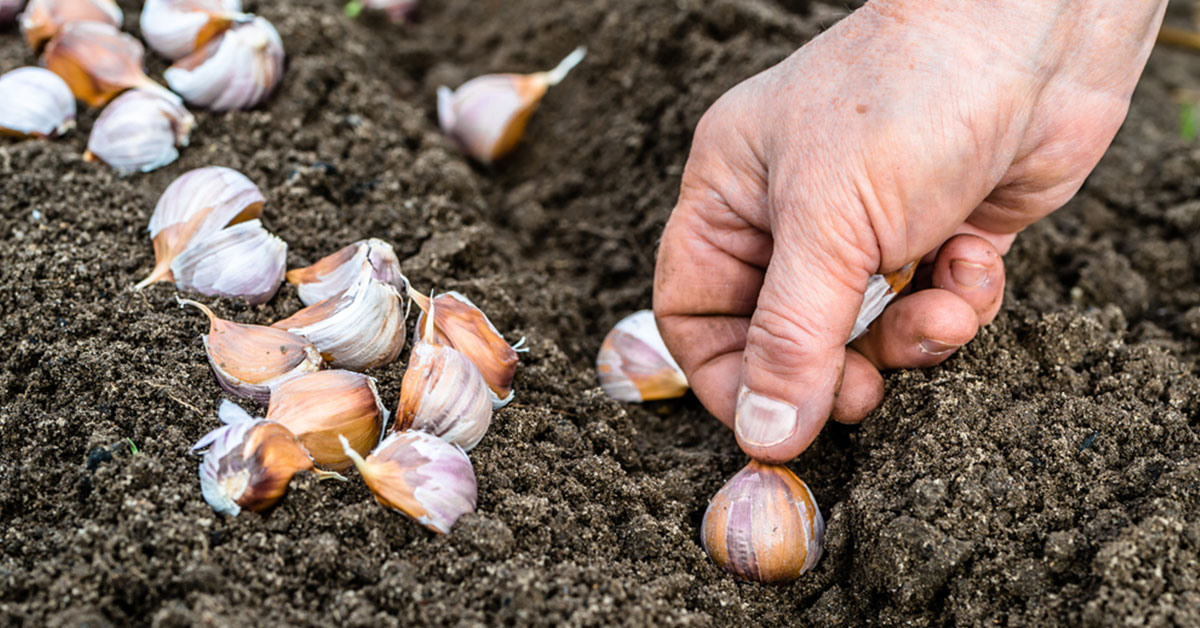
Garlic can be planted outdoors once the weather has warmed and the soil can be worked. It’s among the earliest crops you can sow in the spring. When planting garlic, make sure to space the cloves at least 6 inches apart in a sunny area with well-drained soil. Plant the cloves two inches deep in the soil so that the pointed end is facing up. Water the garlic regularly and keep it free of weeds.
You can mulch your spring-planted garlic with dried leaves or straw to help retain moisture and suppress the growth of weeds. Garlic planted in the spring in West Virginia won’t have as much time to grow as fall planted garlic, so your harvest in the fall may yield slightly smaller bulbs.
Aged manure, compost, and fresh rabbit manure are all great things to add at this time. I keep rabbits for their manure and always throw on a nice layer of rabbit manure when planting fall garlic.
When to plant fall garlic in West Virginia
Some gardeners consider planting garlic in the fall in West Virginia to be advantageous because it allows the garlic bulbs to get a head start on the growing season. In fall, they’ll begin to put down roots but likely won’t send up any growth. Those early roots are important for the plant’s development. As soon as the soil is warm enough to spur new growth, your garlic bulbs will be ready to rock and roll.
The exact timing for planting fall garlic will depend on your climate zone. The old-fashioned rule of thumb is to plant them right after the autumn equinox in September, but if you live in a very cold climate, you may want to get them in the ground a little bit before this date. If you live in a warmer climate, you can probably wait all the way until the middle of October to get them started. Knowing your climate is key to knowing when exactly to plant your fall garlic.
Planting garlic is extremely easy. If you’ve purchased bulbs from a nursery, you’re going to want to very carefully break up the bulb and free all of the cloves. Don’t get too aggressive! You don’t want to smash any of the bulbs by accident. Gently rubbing them between your hands should liberate the individual cloves.
Dig holes in a row three inches deep and six inches apart from one another. Carefully drop the cloves of garlic into each hole with the pointed side pointing up. Press them gently into the soil. Don’t jam them in too hard or deep. Cover the bulbs with an even layer of soil.
Aged manure, compost, and fresh rabbit manure are all great things to add at this time. I keep rabbits for their manure and always throw on a nice layer of rabbit manure when planting fall garlic.
Caring for garlic plants
Soil: Garlic plants require nutrient-rich, well-draining soil to thrive. Amend the soil with plenty of organic material such as compost or aged manure before planting. Garlic doesn’t do well in compacted, clay soils, so be sure to loosen up the soil!
Sunlight: Garlic needs at least 6 hours of direct sunlight each day, but preferably 8-10 hours of sunlight daily. Choose a location that gets plenty of sunlight. Insufficient sunlight may result in garlic that doesn’t thrive or produce bulbs.
Water: Garlic plants need between 0.5 and 1 inch of water per week, with ideal drainage in the soil. If there is not enough rainfall to reach this amount, it is necessary to water the plants manually to make up for it. Make sure to water deeply and infrequently, as too little or too much water can be damaging to the plants – too little can cause stress, and too much can lead to bulb rot.
Fertilizer: Aged manure, compost, and fresh rabbit manure are all great, natural fertilizers to provide your garlic bulbs. It’s best to provide these once at the time you plant your garlic bulbs.
When to harvest garlic in West Virginia
The exact timing for when fall garlic is ready to be harvested in West Virginia varies. Typically they’re ready to harvest in late summer to mid-fall. The timing doesn’t matter as much as the appearance of the crop. You know it’s time to harvest your fall garlic when its lower third leaves have turned brown and died, but its upper foliage is still nice and green.
It can be a little hard to know for sure that it’s time to harvest your garlic, but generally, if those bottom leaves are brown, it’s time to harvest. If they’re still green, it’s too early. There will be some green foliage at the tops of the plants, but don’t let that fool you. If those lower leaves are brown, it’s time to get down in the ground and dig up that garlic!