
Are you a garlic lover dreaming of growing your own flavorful and aromatic bulbs? Look no further than growing garlic in Prince Edward Island, where the fertile soil and cool maritime climate provide the perfect conditions for cultivating this culinary gem.
But before you start digging, it’s crucial to know the best time to plant garlic in this picturesque Canadian province. In this article, we will guide you through the ideal planting season, considering factors such as frost dates, soil preparation, and garlic varieties suited to the Island’s unique climate.
Whether you’re a seasoned gardener or a beginner, by following our expert advice, you’ll be well on your way to harvesting a bountiful crop of delicious garlic that will elevate your culinary creations to new heights.
Best garlic varieties to grow in Prince Edward Island
There are several good varieties of garlic that thrive in Prince Edward Island’s growing conditions. Here are a few popular ones:
- Music: Music garlic is a hardneck variety known for its large, easy-to-peel cloves and strong flavor. It adapts well to cold climates and produces high yields.
- German Extra Hardy: This hardneck variety is known for its excellent flavor and ability to withstand harsh winters. It produces large bulbs with easy-to-peel cloves.
- Georgian Crystal: Georgian Crystal is a softneck variety that does well in Prince Edward Island’s milder climate. It has a mild, sweet flavor and stores well.
- Red Russian: Red Russian garlic is a hardneck variety with bold, complex flavor. It adapts well to colder climates and produces beautiful purple-striped bulbs.
- Chesnok Red: Chesnok Red is a hardneck variety that originated in the Republic of Georgia. It has a rich, medium-hot flavor and is known for its long storage life.
These varieties are just a few examples of garlic that do well in Prince Edward Island. It’s always a good idea to experiment and try different varieties to find the ones that suit your taste preferences and growing conditions best.
When to plant Garlic in Prince Edward Island
In Prince Edward Island, the hardiness zones range from 4a to 6a, depending on the location. The province experiences a maritime climate, with cool summers and mild winters. This means that certain plants, including garlic, can thrive in these conditions.
Garlic is typically planted in the fall, as it requires a period of cold weather to develop properly. In Prince Edward Island, the best time to plant garlic is in late September or early October. This gives the garlic bulbs enough time to establish roots before the ground freezes, while also allowing for the necessary cold period to stimulate bulb growth.
When planting garlic, it is important to choose a sunny location with well-draining soil. Prepare the soil by removing any weeds or debris and loosening it to a depth of about 8-10 inches. Garlic prefers fertile soil, so incorporating compost or well-rotted manure before planting can help improve its growth.
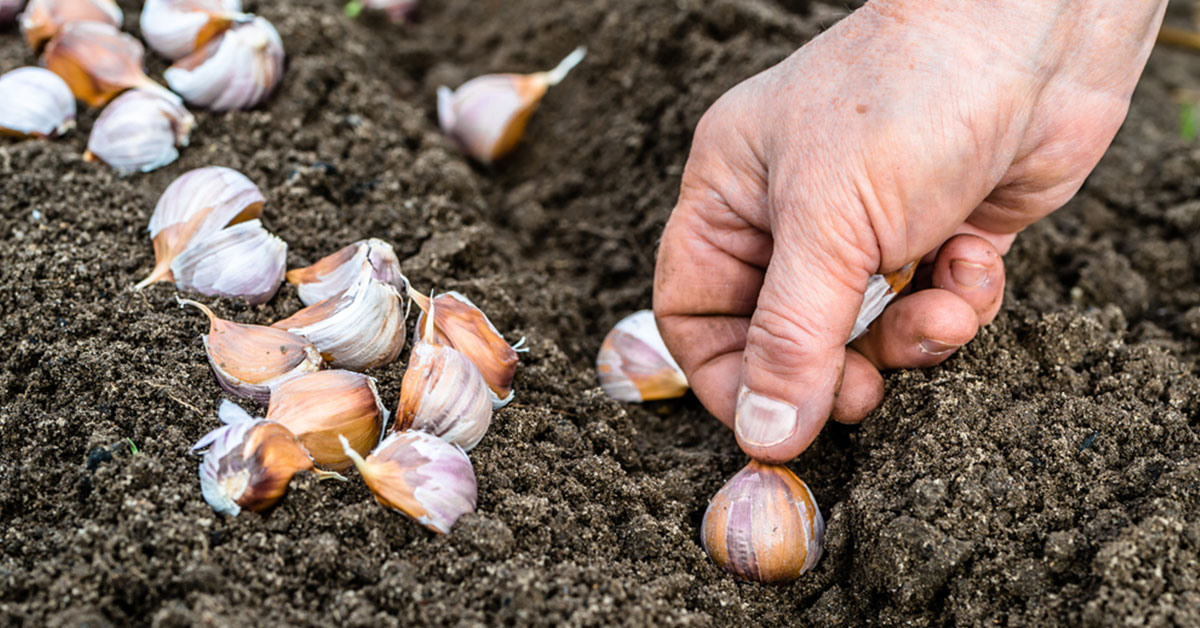
To plant garlic, separate the cloves from the bulb and plant them individually, pointed end up, about 2-4 inches deep and 4-6 inches apart. Cover the cloves with soil and lightly firm it down. Mulching the area with straw or leaves can help protect the garlic bulbs from temperature fluctuations and suppress weed growth.
Throughout the winter, the garlic cloves will establish roots and then remain dormant until the following spring. As the weather warms up in spring, the garlic foliage will emerge, and you can provide regular watering to ensure proper growth. Harvesting typically occurs in late summer or early fall, once the garlic leaves start to turn yellow and dry out.
Remember to monitor for pests and diseases, and address any issues promptly. Proper care and attention throughout the growing season will ensure a successful garlic harvest in Prince Edward Island.
When to harvest Garlic in Prince Edward Island
The optimal time to harvest garlic in Prince Edward Island is typically in late July or early August. This timing allows the garlic bulbs to fully mature and develop their flavor, while still ensuring that the foliage has not completely dried out. It’s important to monitor your garlic plants closely during this period to determine the best time to harvest. Signs that garlic is ready for harvest include when the foliage starts to turn yellow and dry out, and when approximately one-third to half of the leaves have died back. It’s recommended to dig up a test bulb to check its size and condition before harvesting the entire crop.
Other considerations
When growing garlic in Prince Edward Island, there are a few additional considerations to keep in mind:
- Climate: Prince Edward Island has a cool and humid climate, which is generally favorable for growing garlic. However, it is important to choose garlic varieties that are well-suited to this specific climate. Hardneck varieties tend to perform better in cooler regions compared to softneck varieties.
- Soil: Garlic prefers well-draining soil with a pH level between 6.0 and 7.0. Prior to planting, it is beneficial to amend the soil with organic matter, such as compost or well-rotted manure, to improve fertility and drainage. Avoid heavy clay soils that tend to retain excess moisture.
- Timing: Garlic is typically planted in the fall, usually around September or October. This allows the bulbs to establish roots before winter sets in. In Prince Edward Island, it is important to consider the frost dates and aim to plant garlic 4-6 weeks before the ground freezes.
- Mulching: Applying a layer of mulch around the garlic plants after planting is beneficial in protecting the bulbs from extreme temperature fluctuations and weed growth. Straw, dried leaves, or grass clippings can be used as mulch.
- Watering: Garlic requires consistent moisture, especially during its growth phase in spring. Adequate irrigation is necessary, particularly during dry spells. However, it is crucial to avoid overwatering, as excessive moisture can lead to rot and disease issues.
- Fertilization: Garlic is a moderate feeder and benefits from regular fertilization. Prior to planting, incorporate a balanced organic fertilizer or compost into the soil. Additionally, a side dressing of nitrogen-rich fertilizer, such as blood meal or fish emulsion, can be applied in early spring to support healthy growth.
- Pest and Disease Control: While garlic is generally resistant to pests and diseases, there are a few common issues to be aware of. Onion thrips, aphids, and nematodes can occasionally affect garlic crops. Regular inspection and proper crop rotation can help minimize these problems. Additionally, practicing good sanitation, such as removing infected plant debris, can help prevent diseases like white rot and downy mildew.
By taking these considerations into account, you can increase your chances of successfully growing garlic in Prince Edward Island.